"General view of weave room, Cornell Mill. Immediately after the photo was taken, the looms started up with deafening clatter."-Lewis Hine's caption, Fall River, Massachusetts. Lewis Wickes Hine, "General view of weave room, Cornell Mill," Fall River, Massachusetts, 1912. Library of Congress, National Child Labor Committee Collection (nclc.02496). Public domain.
THREADING
AMERICA
A journey through the evolution of the American textile industry.
ORIGINS OF
THE WEAVE
Before there were mills, there were hearths and hands.
Before 1600
Before the Loom
Chapter 1Before 1600
Before the Loom
Indigenous Fiber Traditions of North America
Long before the first English fulling mill, the peoples of North America were spinning, twining, and weaving cloth from cotton, bark, nettle, feathers, and shell. Their textiles clothed families, honored the dead, sealed agreements, and carried knowledge across generations, and their makers' descendants carry the work forward today.
- c. 5400 BCE
The Windover Textiles
Mourners at a Florida pond cemetery wrap their dead in twined and plain-woven plant-fiber cloth, the oldest textiles yet recovered in North America.
- c. 700–950 CE
Cotton Moves North
A drought-hardy cotton, Gossypium hopi, reaches the plateau country north of the Mogollon Rim; the earliest cotton textiles of the northern Southwest come from sites such as Antelope House in Canyon de Chelly.
- c. 900–1400 CE
Spiro Flourishes
Spiro, in present-day eastern Oklahoma, rises as a Mississippian civic-ceremonial center whose Craig Mound will preserve the richest prehistoric textile collection in the Southeast.
- 1150–1300 CE
The Cedar Mesa Cotton Industry
Cotton weaving burgeons across northeastern Arizona and southeastern Utah; textile patterns migrate onto painted pottery and kiva murals.
- 1598
Churro Sheep Arrive
Juan de Oñate's colonizing expedition brings churra sheep up the Camino Real de Tierra Adentro; within a century their wool enters Pueblo and Diné looms.
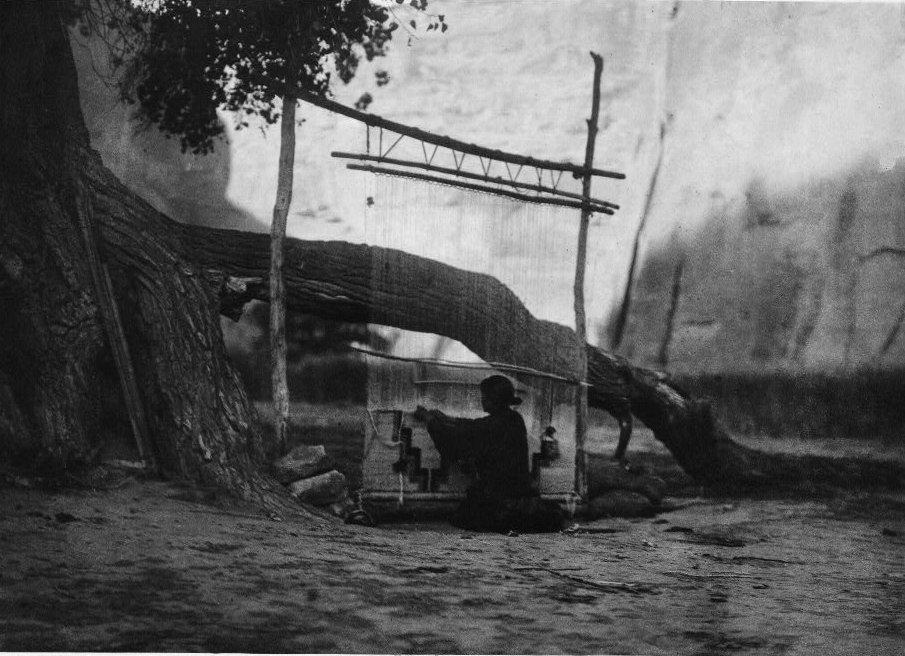
- Innovation
Cotton on the Mesa
Ancestral Pueblo and Hopi weavers, and a fiber grown in the desert for centuries before Europeans arrived.
- Innovation
The Diné Loom
How the Diné made the Pueblo upright loom and Spanish sheep into one of the world's great weaving traditions.
- Material Culture
Bark, Nettle, Feather, and Shell
Eastern Woodlands finger-weaving, the lace of Spiro, and why wampum is not cloth money.
- Tragedy
The Long Walk and the Trading Post
1863 to the 1930s: how conquest, confinement, and federal policy reshaped Diné weaving.
Chapter 21600–1760
The Colonial Hearth
Spinning the First Threads of a Nation
In the early colonies, textile production was a matter of survival. The hearth was the center of the industrial world, and every household a producer—turning fields of flax and flocks of sheep into the shirts, sheets, and blankets of a fragile new society.
- 1643
The Rowley Fulling Mill
At Rowley, Massachusetts, settled in 1639 by Yorkshire cloth-workers, a fulling mill begins finishing homespun woolens-traditionally counted as the first in the English colonies.
- 1645
The Massachusetts Sheep Order
The General Court urges every town to preserve and increase its sheep and asks colonists to have more brought from England, to ease dependence on imported cloth.
- 1656
The Spinning Order
Massachusetts assesses each family for a whole, half, or quarter spinner; a whole spinner owes three pounds of yarn a week for thirty weeks a year, on pain of a fine.
- 1699
The Wool Act
Parliament forbids the export of wool and woolen manufactures from the American colonies, even to other colonies, to protect English clothiers.
- 1750
The Iron Act
Parliament bars new colonial slitting and rolling mills and steel furnaces—another sign of the imperial rule that colonies supply raw materials rather than finished goods.
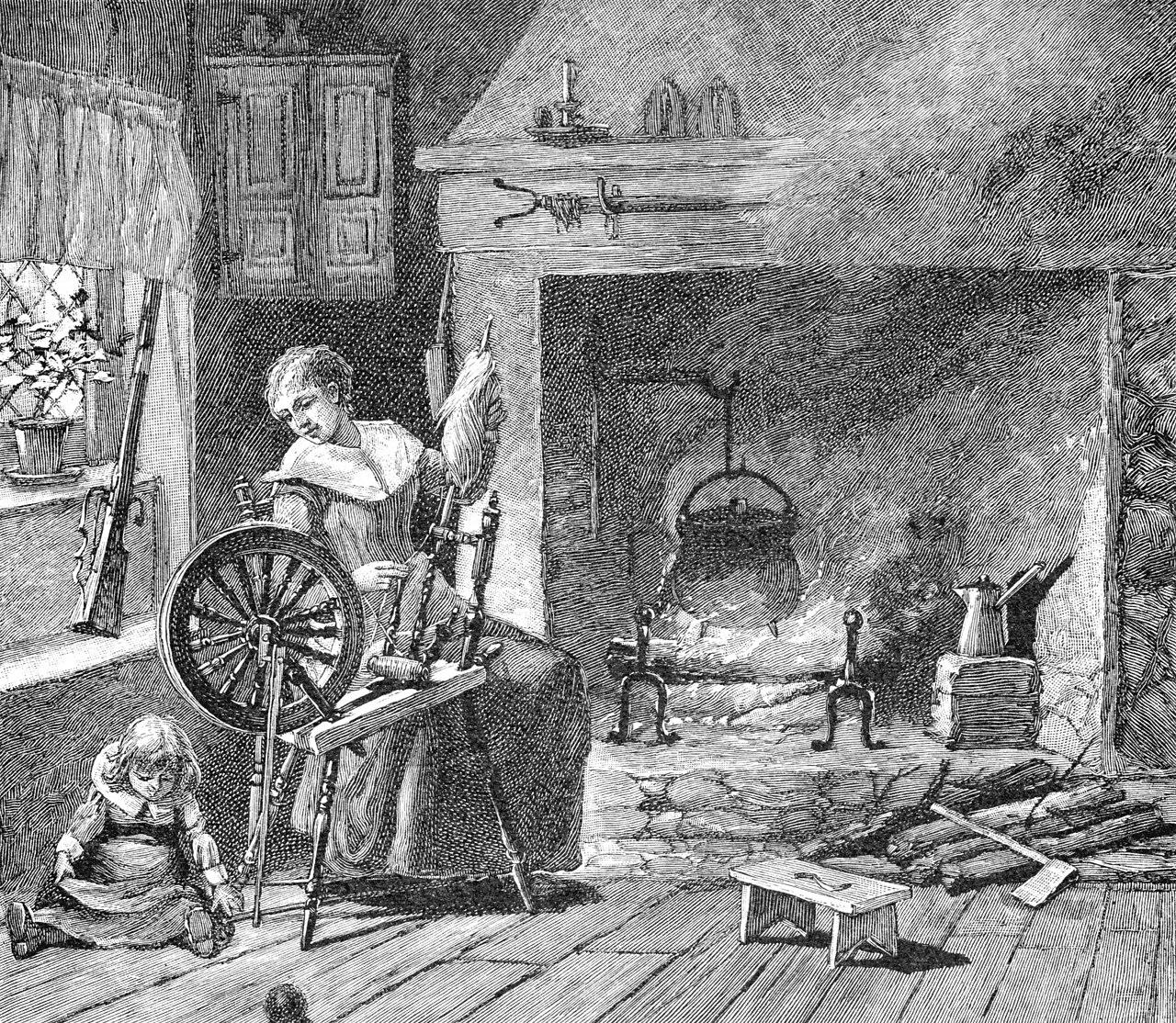
- Material Culture
The Agony of Flax
The long, many-stage process that turned a blue-flowered plant into a linen shirt.
- Innovation
Two Wheels, Two Worlds
How the great wheel and the flax wheel divided the colonial household.
- Impact
Sheep, Statutes, and Survival
How colonial law conscripted the household into a textile economy.
Chapter 31760–1789
The Revolutionary Loom
Homespun as Political Defiance
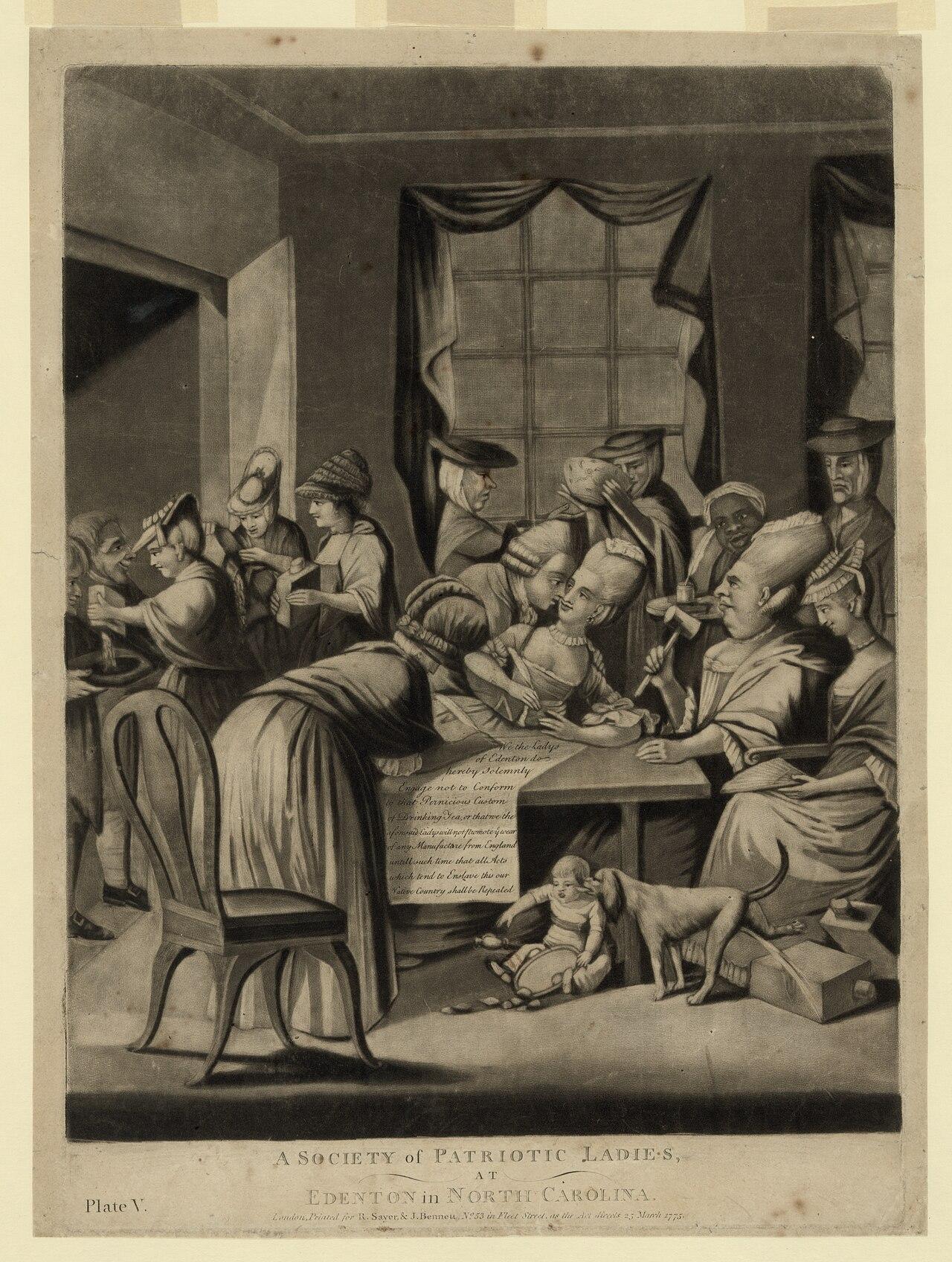
As tensions with Britain rose, the spinning wheel became a symbol of liberty. To flaunt British finery was to invite suspicion; to wear homespun was to declare allegiance. The quarrel with the empire was argued, in part, in clothes of American making.
- 1765
The Stamp Act Boycott
Merchants in New York and other ports sign non-importation agreements against British goods, including textiles, turning household looms into instruments of protest.
- 1768
The Harvard Commencement
The Connecticut Courant reports that Harvard's senior class has resolved to graduate in homespun—a calculated political performance covered in the colonial press.
- 1774
The Continental Association
The First Continental Congress bans the importation of British goods, including cloth, from December 1, formalizing the boycott as policy.
- 1789
Washington's Inauguration Suit
The first president takes the oath in brown broadcloth from the Hartford Woolen Manufactory, signaling that the republic could clothe itself.
Chapter 41790–1810
The Industrial Spy
Samuel Slater and the Transfer of Secrets
The American Industrial Revolution began with an act of industrial espionage. Samuel Slater carried the knowledge of British water-powered spinning across the Atlantic in his head, and—with American mechanics and Providence capital-rebuilt it on the banks of the Blackstone River.
- 1789
Slater's Crossing
Slater sails from London in September and lands in New York in November; tradition holds that he disguised himself as a farm laborer, though the story rests on later accounts.
- 1790
Water-Powered Spinning at Pawtucket
On December 20, Slater's machinery begins spinning cotton in a clothier's shop at Pawtucket—the first successful water-powered cotton spinning in the United States.
- 1793
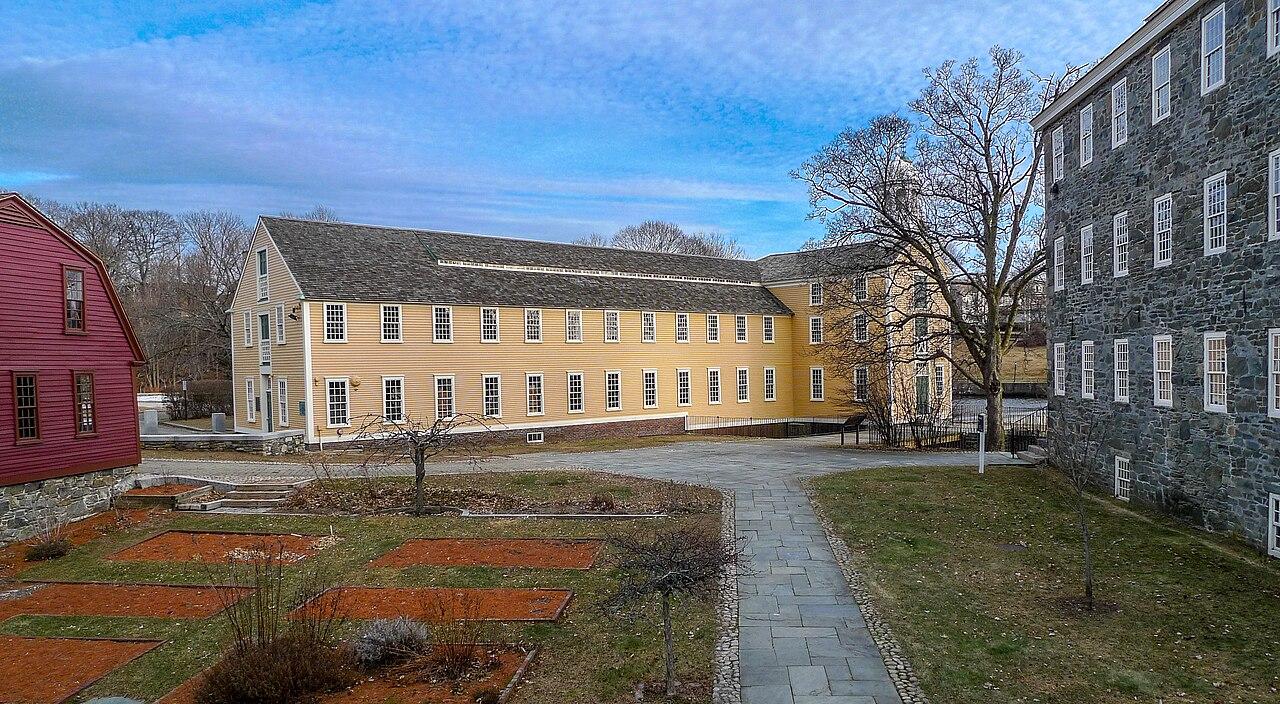
Slater Mill Built
Slater and his partners raise the mill building at Pawtucket that survives today as the centerpiece of Blackstone River Valley National Historical Park.
- 1807
The Embargo Act
Jefferson's embargo cuts off British imports and triggers a boom in domestic mill construction across southern New England.
- Biography
Slater the Memoryman
How an apprentice carried an empire's secret across an ocean in his head—and what he needed help to rebuild.
- Biography
Moses Brown: The Quaker Capitalist
The abolitionist financier whose family fortune was tangled with slavery.
- Labor
The Rhode Island System
America's first factory system built on the labor of children.
Chapter 51793–1850
The Cotton Kingdom
The Gin, the Lash, and the Loom
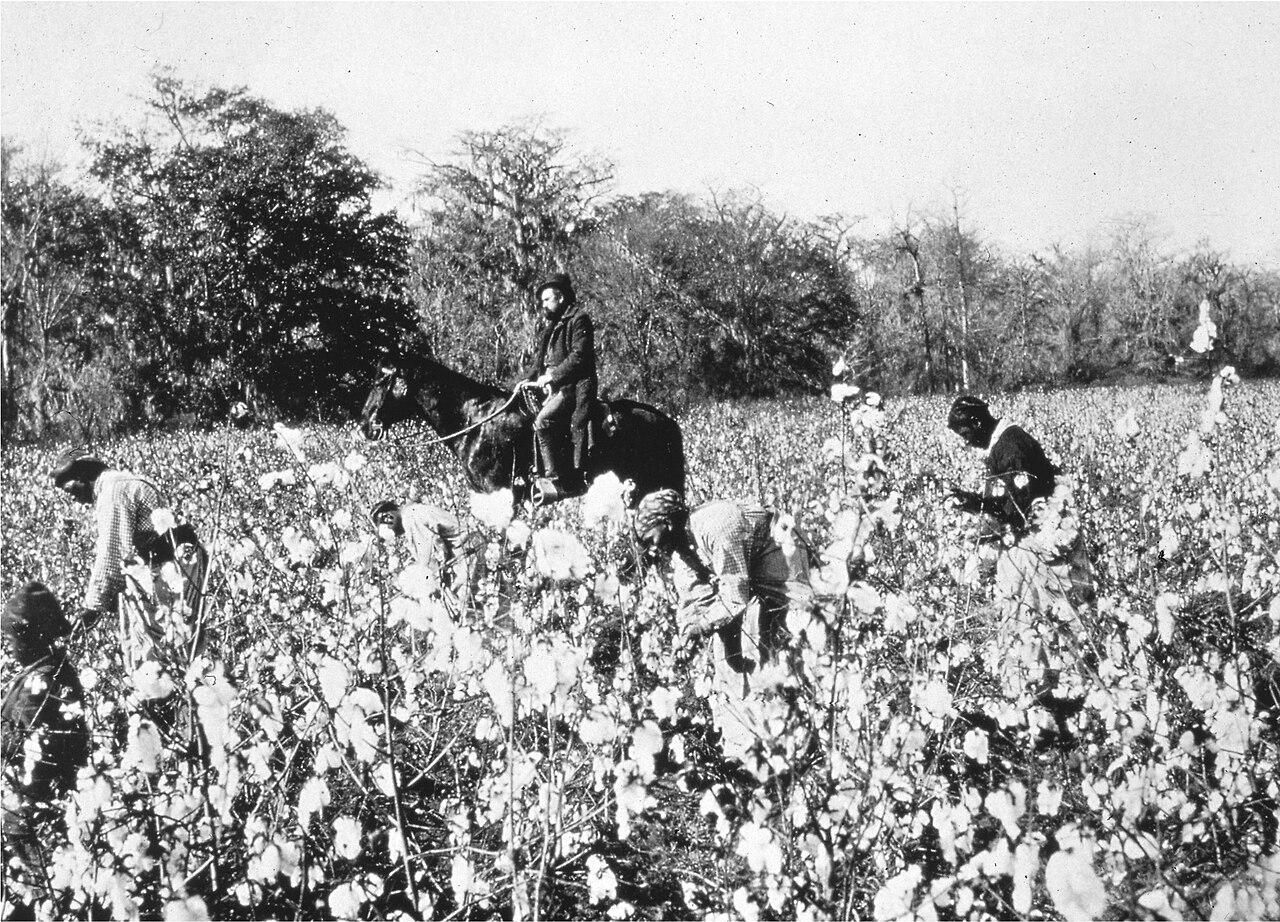
The 'efficiency' of the Northern mills was fed by the brutality of the Southern cotton field. The rise of the American textile industry was inextricable from the expansion of slavery, and the spindles of Massachusetts spun fiber picked under the lash in Mississippi.
- 1793
The Cotton Gin
Eli Whitney builds a gin for short-staple cotton and applies for a patent, granted in March 1794; he boasted that one man and a horse could do the work of fifty hand-cleaners.
- 1808
Transatlantic Slave Trade Ends
The federal ban on importing enslaved people takes effect, intensifying the domestic slave trade as cotton demand explodes.
- 1840
Cotton Becomes King
Cotton, the nation's leading export since about 1803, now accounts for more than half the value of all U.S. exports, feeding the mills of New England and Lancashire.
- 1850
Three Million Enslaved
The census counts more than 3.2 million enslaved people in the United States; by now most enslaved agricultural laborers in the Deep South work in cotton.
- Tragedy
The Second Middle Passage
The forced migration that built the Cotton Kingdom.
- Impact
Lords of the Loom, Lords of the Lash
The political alliance between Boston mill owners and Southern planters.
- Biography
Eli Whitney's Patent Trap
The inventor of the gin made little from it.
- Tragedy
The Hands That Picked
The enslaved people who grew the cotton, as named individuals and as the largest financial asset in the American economy.
Chapter 61820–1845
The Lowell Mill Girls
Vertical Integration and Social Experimentation
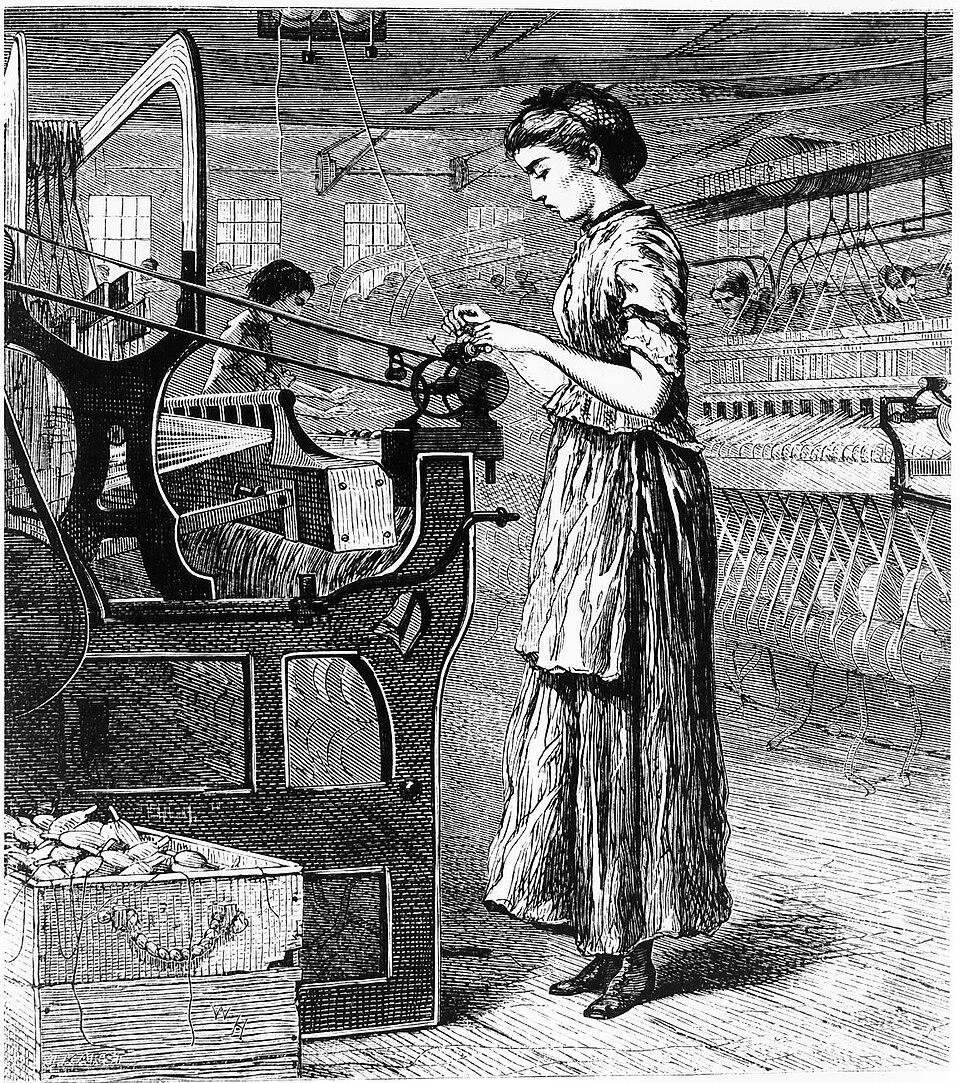
Francis Cabot Lowell and his partners built the first American mill to integrate power spinning and power weaving under one roof. They recruited young women from New England farms with the promise of cash wages and respectability—and built the country's first large industrial workforce.
- 1814
The Waltham Mill
The Boston Manufacturing Company's Waltham mill becomes the first in America to combine power spinning and power weaving under one roof.
- 1823
Lowell Begins
The Merrimack Manufacturing Company's first mill rises at East Chelmsford, incorporated in 1826 as Lowell—America's first large planned industrial city.
- 1834
The First Lowell Turn-Out
About eight hundred women walk out over a wage cut (reported as twelve and a half to fifteen percent); their leader is fired and the strike fails.
- 1836
The Factory Girls' Association
Between 1,500 and 2,000 women strike against higher boarding charges and form the Factory Girls' Association.
- 1845
The Ten-Hour Petitions
The Lowell Female Labor Reform Association, led by Sarah Bagley, helps send ten-hour petitions to the legislature; Bagley and other operatives testify before a legislative committee, which declines to act.
Chapter 71840–1920
The Silk City
Paterson and the Rise of American Silk
While cotton was king, silk was luxury. Paterson, New Jersey, became 'Silk City'—the center of a specialized, high-skill industry that drew immigrant weavers from Lyon, Macclesfield, and northern Italy to the falls of the Passaic.
- 1840
Silk Takes Root
Silk manufacturing begins in Paterson's water-powered mills; Christopher Colt's early venture is traditionally counted among the first.
- 1880s
Immigrant Weavers Arrive
Skilled silk workers from Lyon, Macclesfield, and northern Italy settle in Paterson, importing both technique and radical labor politics.
- 1913
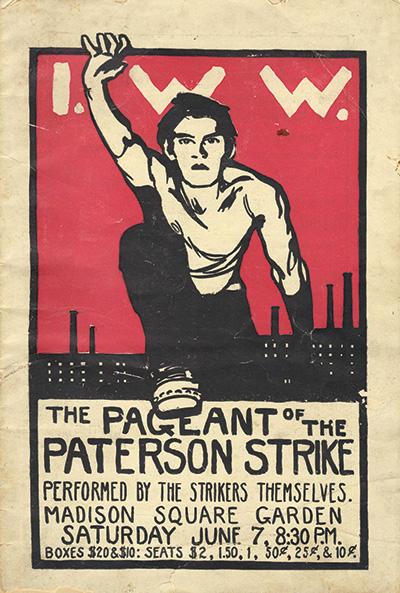
The Paterson Silk Strike
Beginning February 25, roughly twenty-four thousand workers strike for an eight-hour day and against multiple-loom assignments; the strike lasts about five months and ends in defeat.
- 1920s
The Industry Disperses
Silk manufacturers increasingly move work to lower-wage mills in Pennsylvania and elsewhere, eroding Paterson's dominance.
Chapter 81846–1860
The Sewing Revolution
Howe, Singer, and the Mechanization of the Stitch
The sewing machine was one of the most consequential technological leaps in the history of clothing. It moved the factory principle from the cloth to the garment—and helped build one of the first mass consumer-durables markets in American history.
- 1846
Howe's Lockstitch Patent
Elias Howe receives patent No. 4,750 for a lockstitch machine combining an eye-pointed needle with a shuttle; he struggles to find buyers.
- 1851
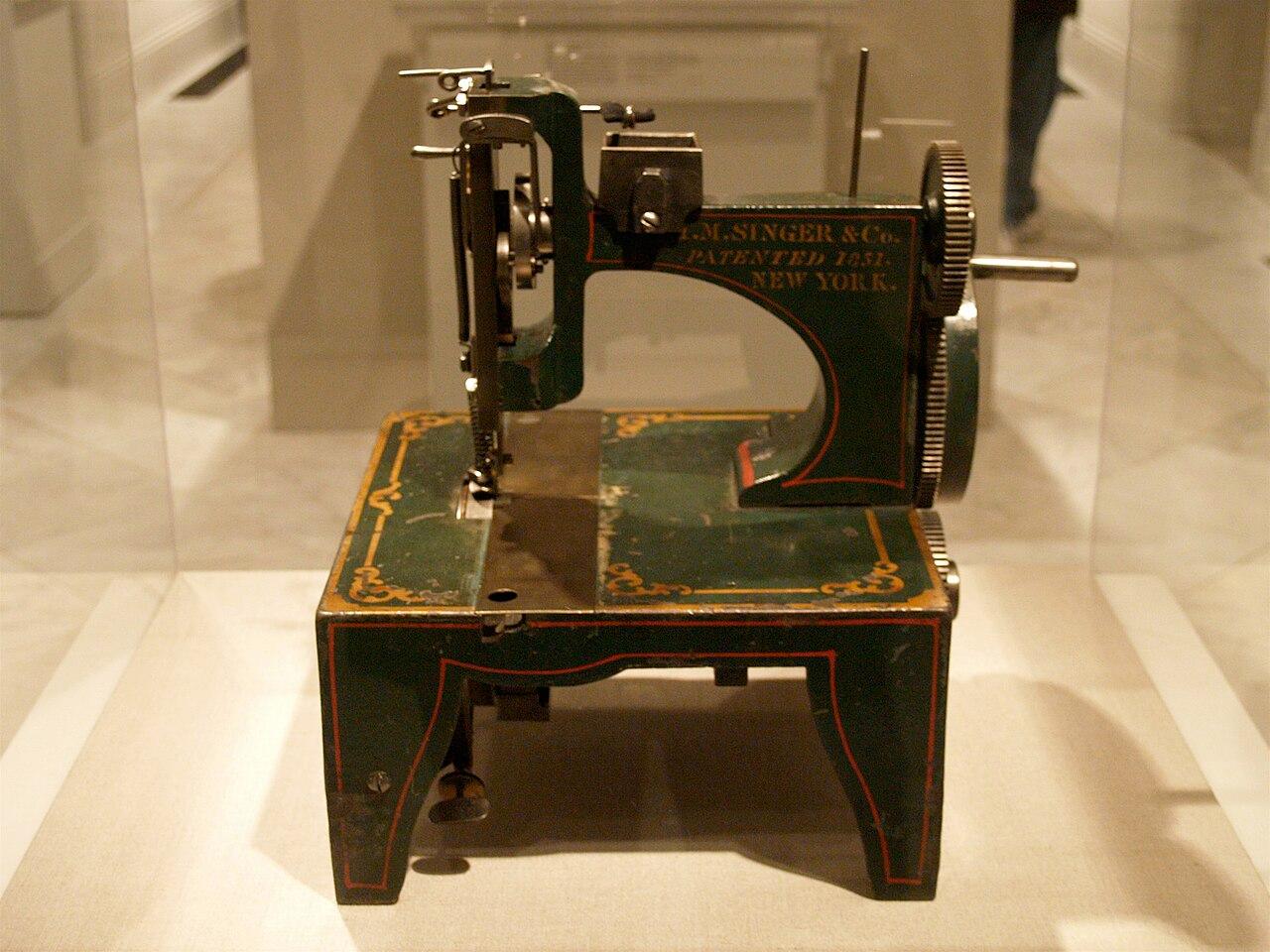
Singer's Machine
Isaac Singer patents his own machine; Howe sues, and in 1854 the courts uphold Howe's claims, forcing Singer to pay royalties.
- 1856
Singer's Installment Plan
Singer's partner Edward Clark introduces installment buying, among the first such plans offered by a nationally distributed manufacturer.
- 1856
The Sewing Machine Combination
On October 24, Howe and three manufacturers pool their patents in the 'Albany Agreement'—the first patent pool in American industry.
Chapter 91861–1865
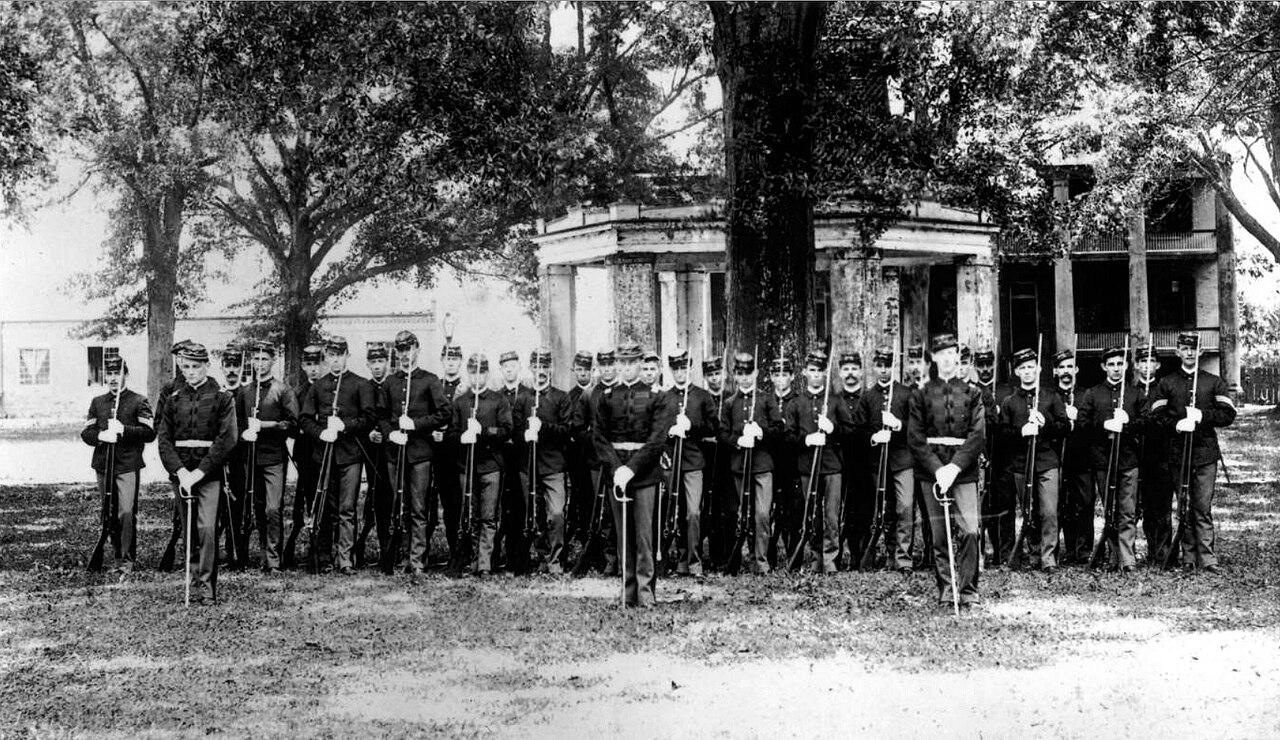
Uniforms of Conflict
The Civil War and Standardized Sizing
The Civil War demanded the first true mass production of apparel in American history. To clothe more than two million Union soldiers, the industry adopted a new language of fit—and gave a new word to the language of fraud.
- 1861
The Brooks Brothers Contract
In April, New York State contracts with Brooks Brothers for 12,000 uniforms; complaints about cloth and fit lead to an investigation, and the firm replaces 2,350 suits at its own expense.
- 1861
The Quartermaster's Mandate
As volunteers pour in, the Quartermaster's Department contracts for uniforms in numbered sizes, pushing clothing makers toward mass production.
- 1863
The Sanitary Commission Survey
The U.S. Sanitary Commission begins measuring soldiers' bodies; by war's end it has detailed measurements for nearly 24,000 men.
- 1865
Ready-Made Survives the Peace
Manufacturers turn wartime capacity and sizing practices to the civilian menswear market.
- Tragedy
The Spread of 'Shoddy'
War profiteering, recycled rags, and a word that entered everyday speech.
- Innovation
Measuring the Union Army
How wartime measurement shaped ready-made sizing—and what the myth of 'S, M, L' gets wrong.
- Impact
Uniforms and the Black Soldier
When the right to wear blue was an argument for citizenship.
Chapter 101870–1910
The Garment District
New York City as the Fashion Capital
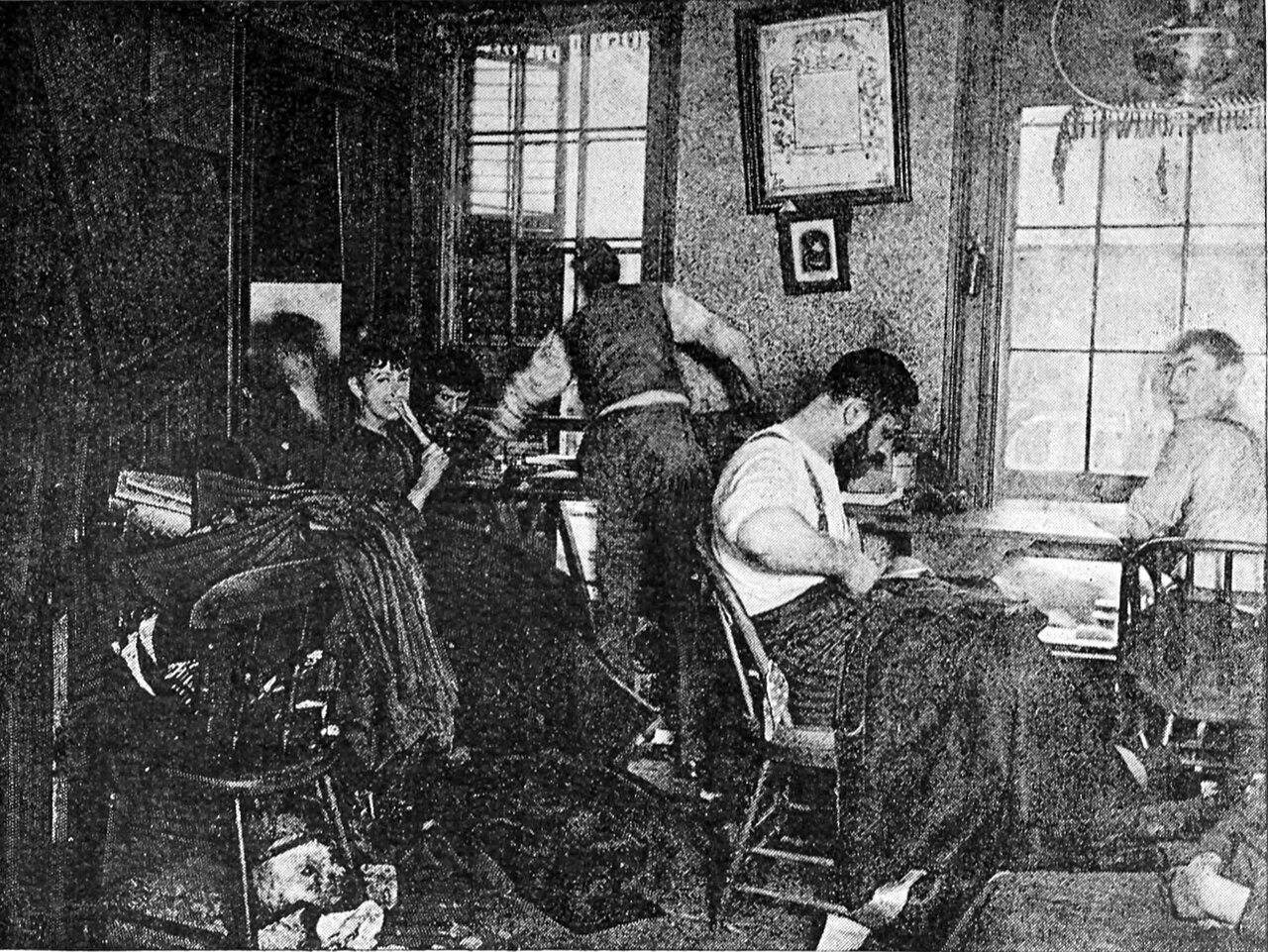
After the Civil War, the American apparel industry centered itself in New York City. The streets of Lower Manhattan became a hive of tenement sweatshops where Jewish and Italian immigrant labor fueled a booming fashion economy.
- 1880s
Tenement Production Spreads
Lower East Side apartments become 'sweating' workshops where families live and sew in the same cramped rooms.
- 1890
Jacob Riis Publishes 'How the Other Half Lives'
Riis's flash photographs and reporting on tenement sweatshops bring the industry's conditions before a wide middle-class audience.
- 1900
The ILGWU Is Founded
Eleven delegates representing about two thousand garment workers found the International Ladies' Garment Workers' Union in New York.
- 1909
The Uprising of the 20,000
Some twenty thousand shirtwaist makers, most of them young immigrant women, strike across New York—the largest strike by women in American history to that point.
- Labor
The Sweatshop System
Exploitation engineered into the architecture of the tenement.
- Material Culture
Lewis Hine and the Camera as Indictment
A sociologist with a flash camera redefined documentary photography.
- Biography
The Uprising of the 20,000
The strike that built the ILGWU—and set the stage for Triangle.
Chapter 111880–1920
The Gilded Age of Wool
Massive Mills and Southern Migration
The New England woolen and worsted mills reached their zenith of size and power even as the cotton industry began its long migration south. The Gilded Age mill was among the largest industrial structures on earth—and among the most contested.
- 1880s
The Piedmont Mill Campaign
Southern boosters launch a mill-building drive; North Carolina alone goes from about 75 cotton mills in 1884 to more than 200 additional mills over the next two decades.
- 1906
The Wood Worsted Mill
The American Woolen Company's Wood Mill begins operating in Lawrence—six stories, some thirty acres of floor space, and nicknamed locally 'the eighth wonder of the world.'
- 1912
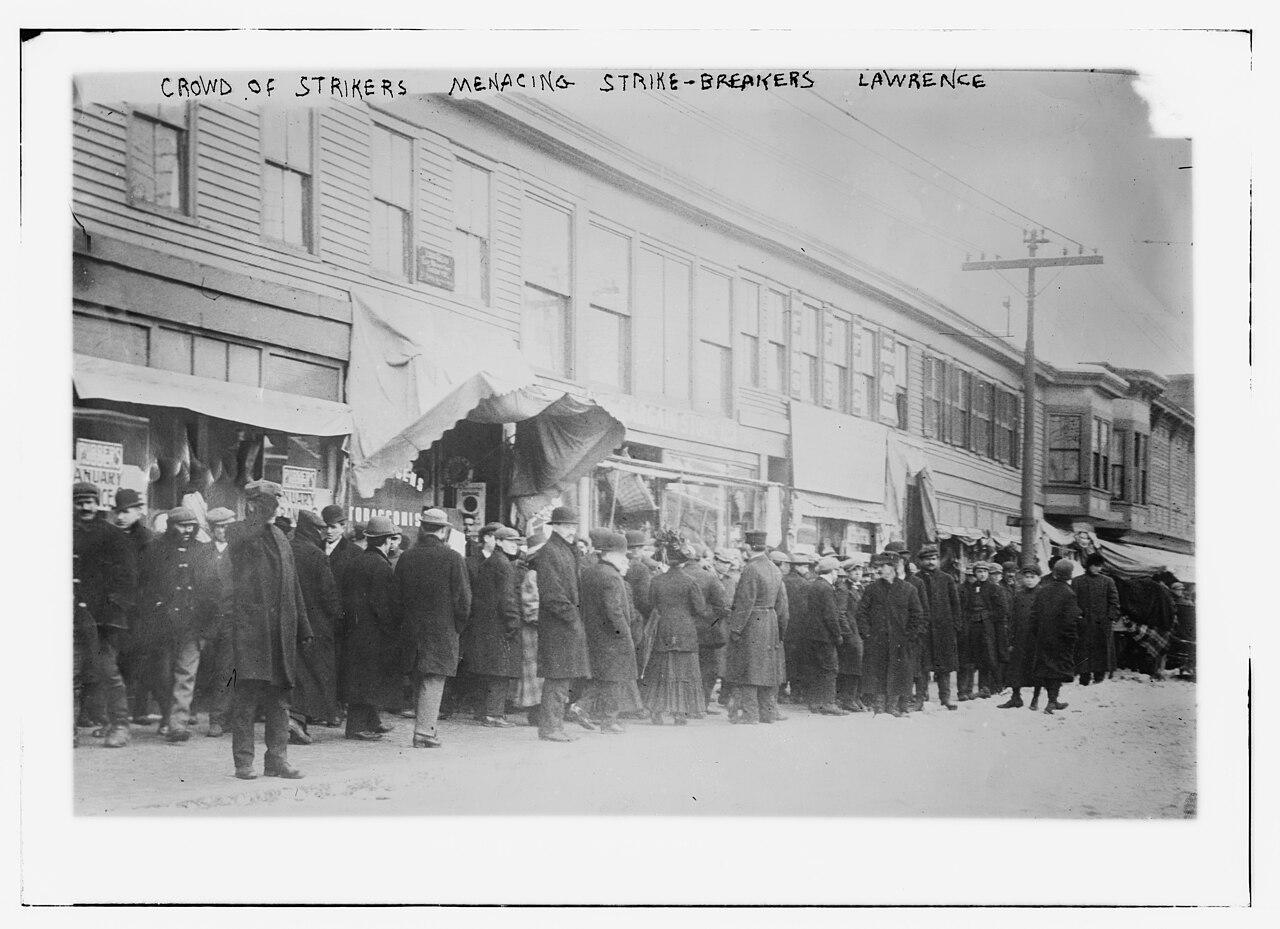
The Lawrence Strike
More than twenty thousand workers of many nationalities strike at Lawrence and, after nine weeks, win raises of five to twenty-five percent.
- 1919
The Postwar Strike Wave
Textile strikes, including a sixteen-week walkout at Lawrence led by the minister A. J. Muste, win a forty-eight-hour week; the Red Scare and the slump of 1920–21 soon erode the gains.
- Labor
Bread and Roses
The 1912 Lawrence strike that united dozens of nationalities.
- Innovation
The Wood Worsted Behemoth
The 'eighth wonder of the world' on the Merrimack.
- Impact
The Piedmont Mill Village
A new social order built around the Southern cotton mill.
- Tragedy
The Pemberton Mill Collapse
Lawrence's first industrial catastrophe—the disaster that haunted the city for a century.
- Impact
'The Chinese of the Eastern States'
French-Canadian migration to the New England mills, and the 1881 report that slandered it.
- Impact
The Dagenhart Boys and the Law
How a Charlotte cotton mill family carried child labor to the Supreme Court, and why it took twenty-five years to end it.
Chapter 121911
The Ashes of New York
Triangle Shirtwaist and the Birth of American Safety Law
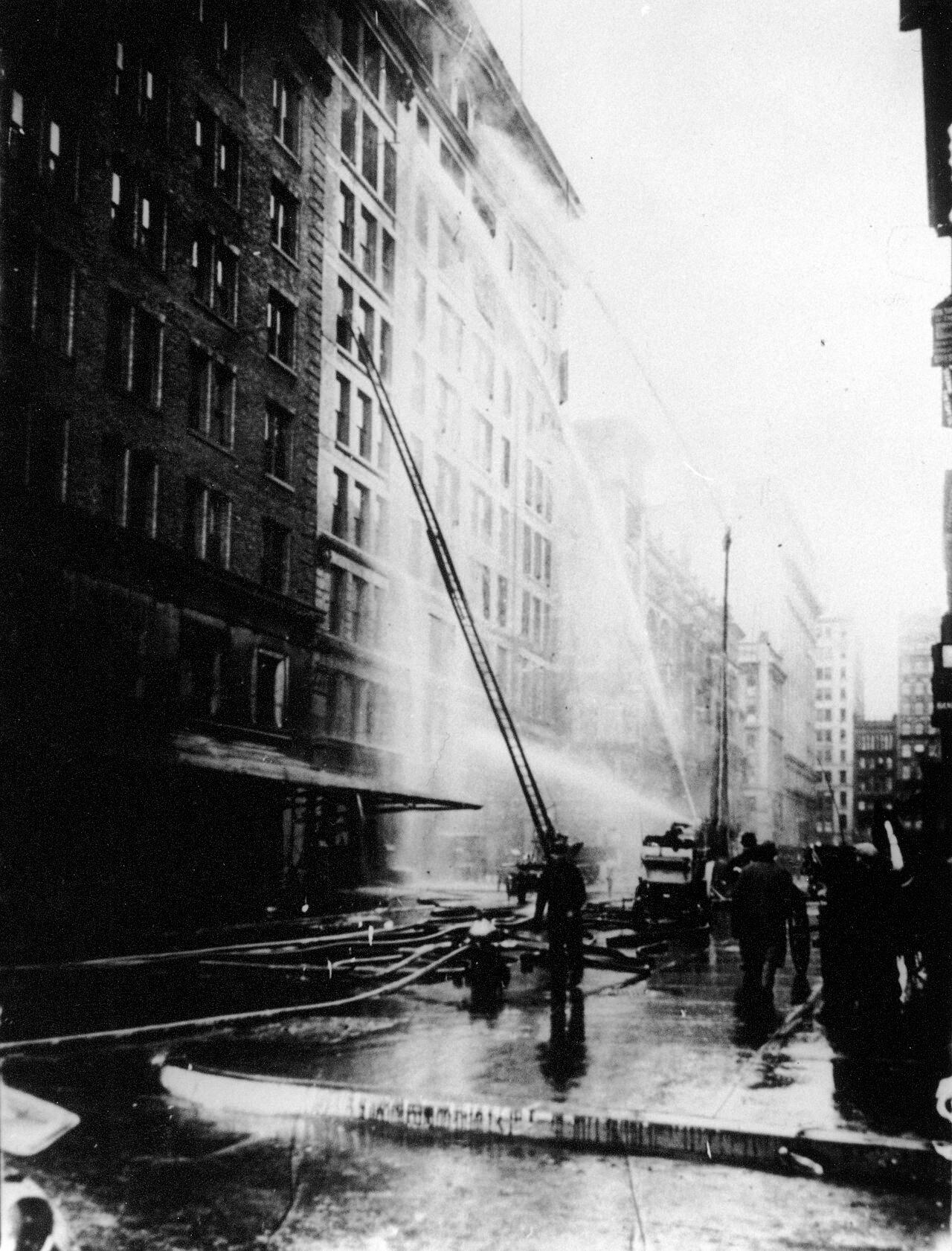
The deadliest workplace disaster in New York City history changed the relationship between government and the workplace. One Saturday afternoon in March, 146 people died in about eighteen minutes.
- 1909
The Uprising of the 20,000
Triangle is among the shirtwaist firms that refuse to settle on the union's terms during the general strike.
- 1911
The Fire
On March 25, 146 workers die at the Triangle Waist Company; most are young immigrant women.
- 1911
The Factory Investigating Commission
In the summer of 1911, New York creates a state commission that, through 1915, conducts the most ambitious workplace-safety investigation in American history to that time.
- 1914
The Reform Wave
Building on the commission's work, the legislature enacts some thirty-six laws, mostly between 1912 and 1914, on fire safety, factory sanitation, and the labor of women and children.
Chapter 131920–1930
The Electric Loom
Freeing the Mill from the River
Electrification revolutionized mill architecture and geography. No longer tied to waterfalls or steam boilers, the industry could modernize—and, just as importantly, keep moving away from the unionized North.
- 1920s
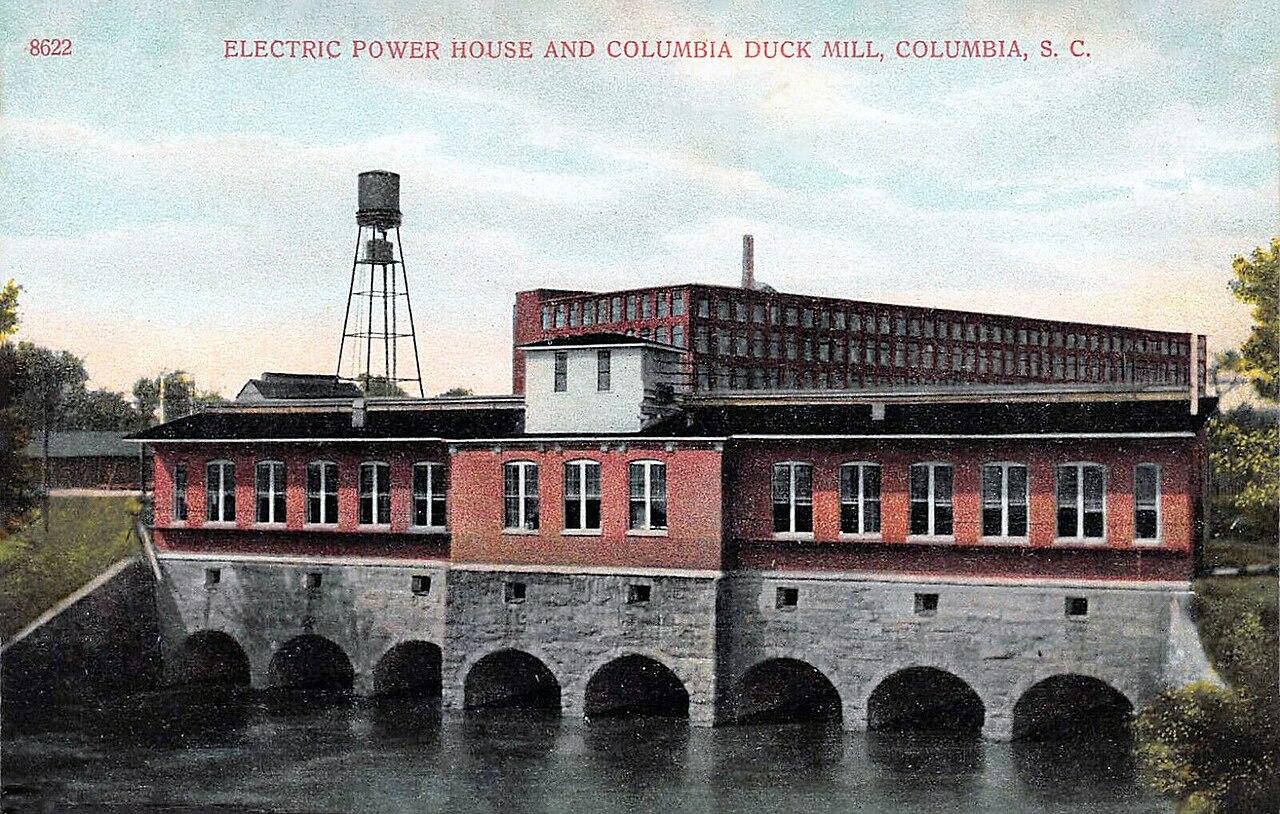
Electric Drive Spreads
Mills, especially new Southern mills, shift from steam and water power to electric motors, many driving machines individually.
- 1925
The Rayon Boom
American Viscose, DuPont, and other producers expand rayon output; 'artificial silk' becomes a mass-market fiber for hosiery and lingerie.
- 1929
The South Pulls Ahead
Southern mills now surpass New England in both active cotton spindles and cotton consumed; New England's century of cotton dominance is over.
- 1929
The Loray Strike
A strike led by the Communist-affiliated National Textile Workers Union at the Loray Mill in Gastonia, NC, ends in violence and the murder of the striker and songwriter Ella May Wiggins.
- Innovation
The Death of the Shaft
How the electric motor ended a century of belts and line shafts.
- Innovation
Rayon: The First Manufactured Fiber
Trees, chemistry, and the beginning of the artificial-fiber age.
- Impact
The Great Piedmont Migration
How electricity and cheap labor moved an industry south.
- Biography
Ella May Wiggins: The Singer of Gastonia
A mill mother shot dead on the road to a union rally in 1929.
- Tragedy
The Marion Massacre
Six strikers killed at the Marion Manufacturing Company gate, less than three weeks after Ella May Wiggins.
Chapter 141934
The Great Textile Strike
Honea Path and the General Walkout of 1934
In the depths of the Great Depression, some four hundred thousand textile workers walked off the job in one of the largest strikes in American history—the largest the South had ever seen. It was called off after about three weeks, and Southern textile organizing was set back for decades.
- 1933
The NIRA Promise
Section 7(a) of the National Industrial Recovery Act guarantees workers the right to organize; the textile code limits hours, but mill owners widely evade enforcement.
- 1934
The National Walkout
Beginning around September 1, some four hundred thousand textile workers strike from New England to the Deep South.
- 1934
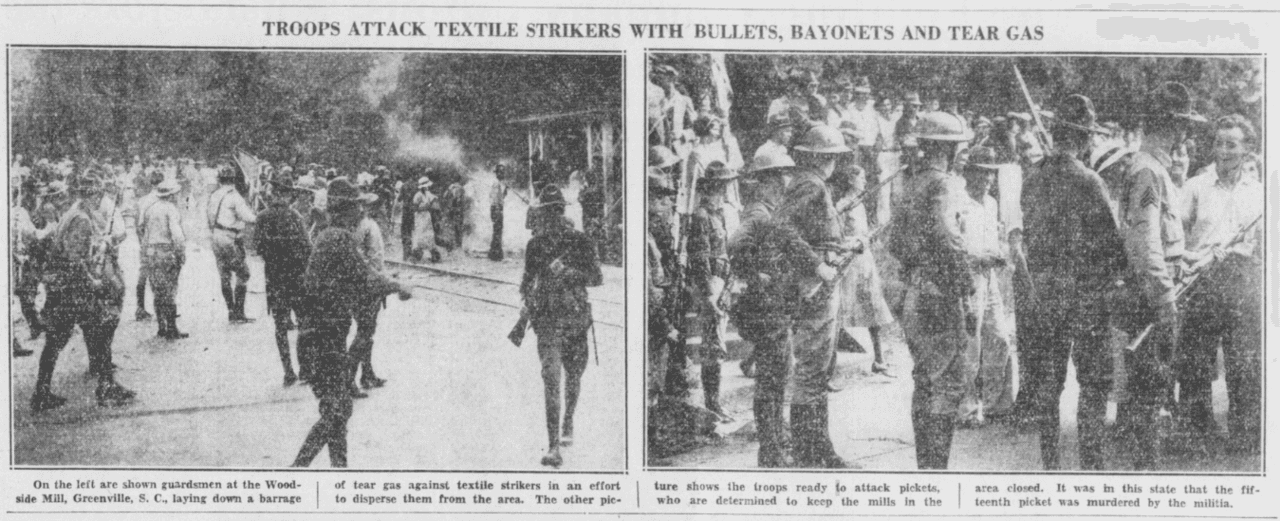
The Honea Path Massacre
On September 6, deputized mill men open fire on pickets at the Chiquola Mill in Honea Path, South Carolina; six die that day and a seventh later.
- 1934
The Strike Called Off and the Blacklist
The union ends the strike on September 22; across the South, mill owners blacklist strikers, and many families lose company-owned homes.
- Labor
The Flying Squadrons
Mobile labor organizing in the Piedmont South.
- Tragedy
The Honea Path Massacre
Six dead at the Chiquola Mill gate in about three minutes; a seventh died later.
- Impact
The Stretch-Out
The speed-up that detonated the 1934 strike.
- Tragedy
Saylesville and Woonsocket
The National Guard fires on strikers in two Rhode Island mill towns.
Chapter 151940–1950
Synthetic Warfare
Nylon and the WWII Pivot
World War II pushed the American textile industry from a natural-fiber economy toward a chemical one. Nylon went from stockings to parachutes; the American mill became a front in the war effort and emerged as a foundation of postwar consumer culture.
- 1935
Nylon Synthesized
In February, Wallace Hume Carothers's team at DuPont's Experimental Station produces the polyamide later named nylon.
- 1940
Nylon Day
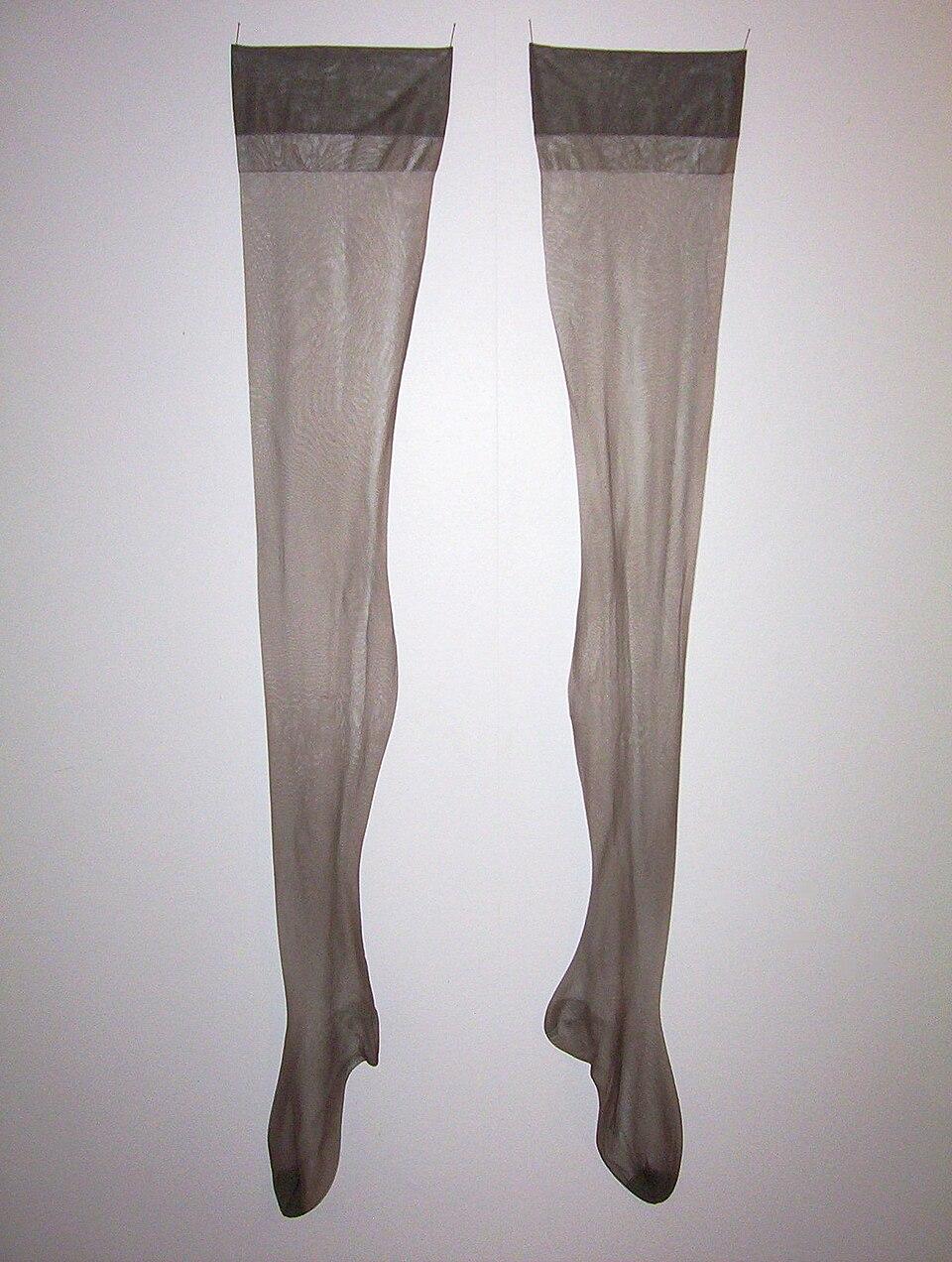
In mid-May, about four million pairs of nylon stockings reach stores nationwide at about $1.15 a pair and sell out within days.
- 1942
The War Pivot
Nylon and silk are reserved for military uses such as parachutes, tire cord, and rope; civilian stockings all but disappear.
- 1946
The Nylon Riots
Postwar shortages bring enormous lines and scuffles; in Pittsburgh on June 12, an estimated 30,000–40,000 women queue for 10,000–13,000 pairs.
- Material Culture
The Nylon Riots
When stockings were worth standing in line all day.
- Biography
Wallace Carothers, Inventor of Nylon
The brilliant chemist who did not live to see his invention reach the public.
- Material Culture
Rosie's Coveralls and the Cotton Duck Mills
American mills as a logistical front in the war.
Chapter 161950–1980
The Polyester Dream
Post-War Consumerism and 'Better Living Through Chemistry'
The post-war era was the age of 'Better Living Through Chemistry.' Synthetic fibers made clothing cheaper, more durable, and easier to care for—and seeded a global problem of plastic pollution that scientists would not measure for decades.
- 1953
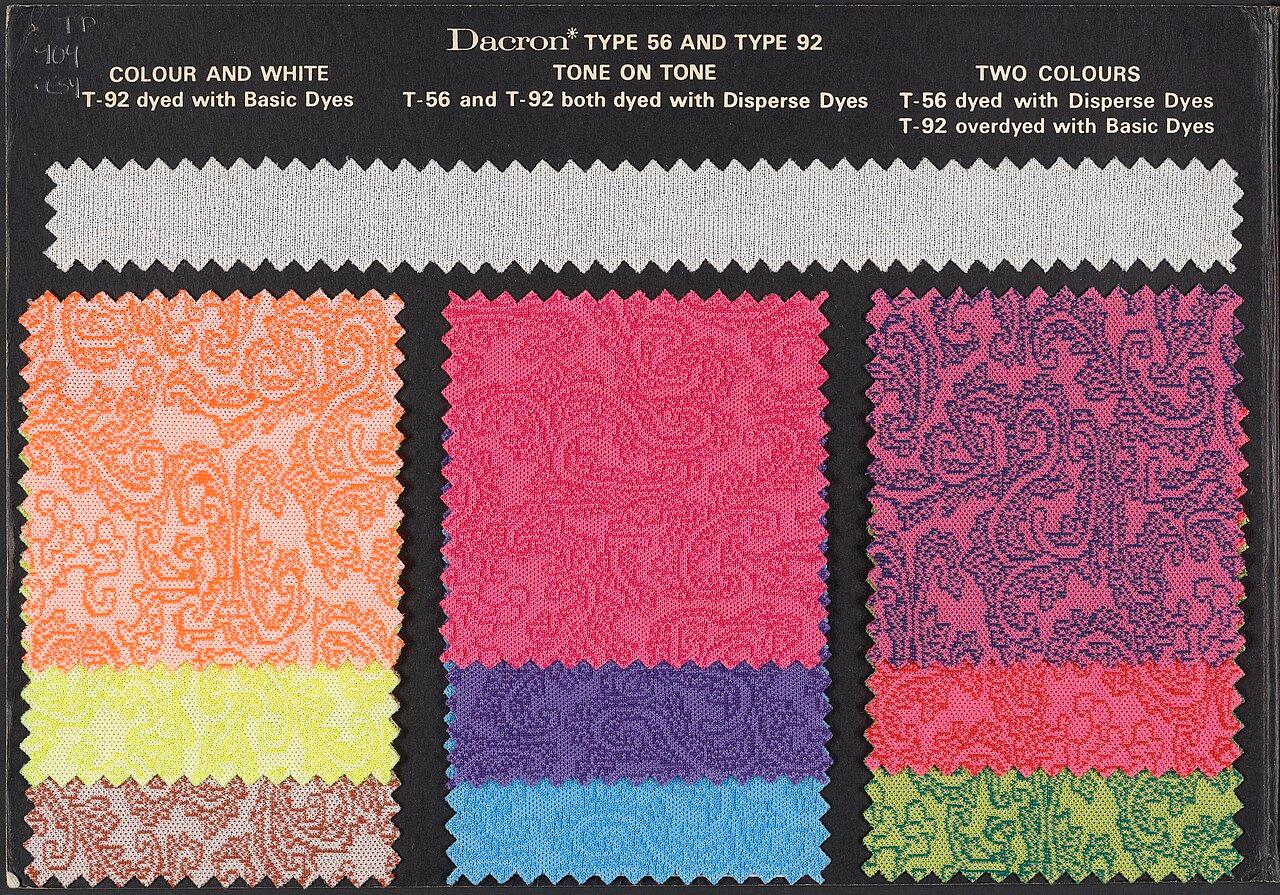
Dacron Introduced
DuPont begins commercial production of Dacron polyester; Brooks Brothers sells the first Dacron-blend wash-and-wear shirts.
- 1959
Spandex Introduced
DuPont chemist Joseph Shivers's stretch fiber, invented in 1958, is introduced as 'Fiber K' and later branded Lycra—foundation of modern shapewear, swimwear, and activewear.
- 1960s
The Double-Knit Craze
Polyester double-knits become a dominant fashion fabric, prized for wrinkle resistance and vivid color.
- 1972
Plastic on the Open Sea
Edward Carpenter and Kenneth Smith report plastic particles widespread on the surface of the Sargasso Sea—an early scientific signal of marine plastic pollution.
Chapter 171960-1985
The Long Integration
Civil Rights, Union Wars, and Brown Lung in the Southern Mill
For most of the twentieth century the Southern cotton mill was a white workplace by design, and its owners were among the most determined opponents of organized labor in the nation. Between 1960 and 1985, Black workers, union organizers, and disabled millhands used federal law to force open the mill gates, win the first contracts at J.P. Stevens, and make cotton dust a regulated hazard.
- 1965
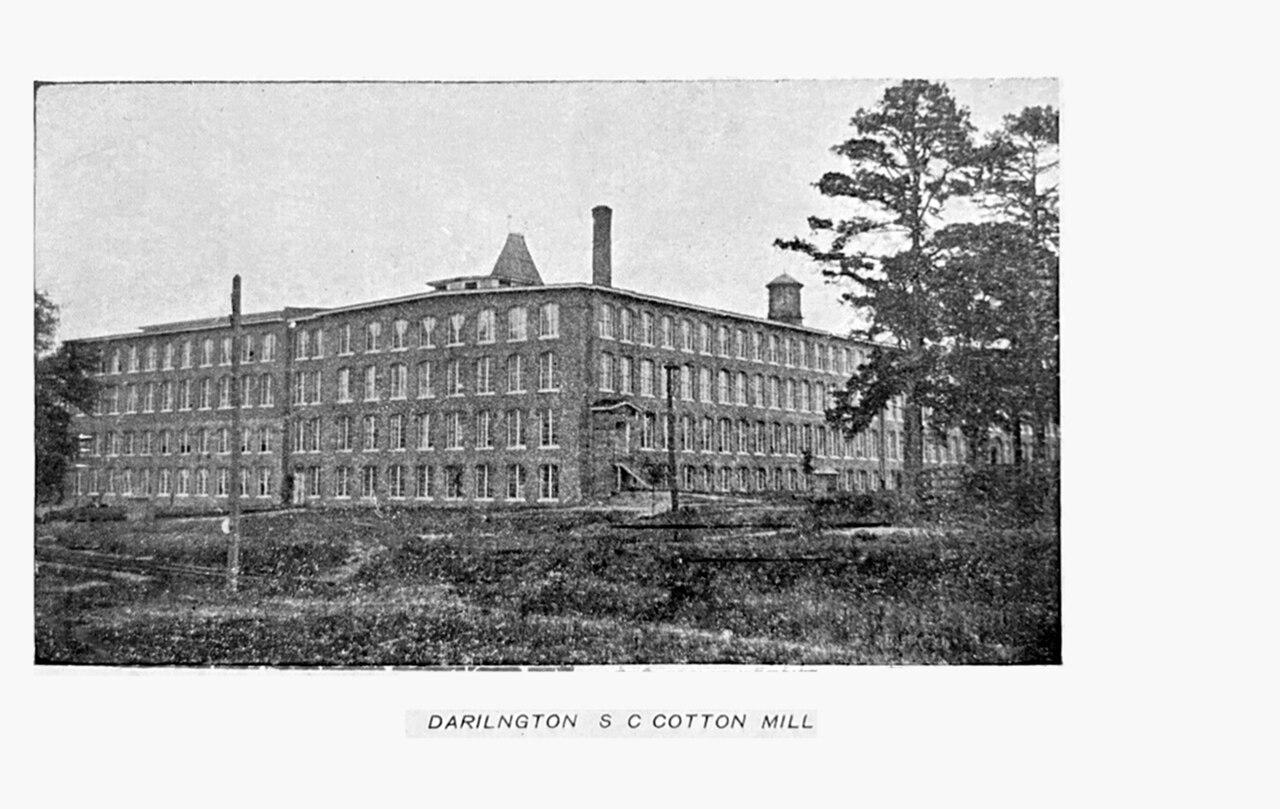
Textile Workers Union v. Darlington
On March 29 the Supreme Court rules that an employer may close its entire business even out of hostility to a union, but that a partial closing aimed at chilling unionism elsewhere is unlawful.
- 1967
The EEOC Textile Forum
On January 12–13 the Equal Employment Opportunity Commission holds public hearings in Charlotte on the exclusion of Black workers from Southern textile production jobs.
- 1974
The Roanoke Rapids Vote
On August 28 workers at J.P. Stevens's Roanoke Rapids plants vote for union representation, eleven years after the organizing campaign began.
- 1978
The Cotton Dust Standard
On June 23 OSHA cuts the permissible cotton dust exposure in yarn manufacturing from 1,000 to 200 micrograms per cubic meter of air.
- 1980
The Stevens Contract
On October 19 J.P. Stevens and the Amalgamated Clothing and Textile Workers Union reach agreement, ending the boycott and corporate campaign.
- Labor
Opening the Mill Gates
How Black workers used Title VII to integrate the South's largest industry.
- Biography
The Real Norma Rae
Crystal Lee Sutton, a cardboard sign, and the seventeen-year fight to organize J.P. Stevens.
- Labor
Remember Darlington
A mill closed to punish a union vote, and the Supreme Court case that followed.
- Impact
Brown Lung
Byssinosis, the Carolina Brown Lung Association, and the fight for a cotton dust standard.
Chapter 181980–2000
The Branded Empire
Designer Denim, Air Jordan, and the Logo as Identity
As American mills closed, American brands ascended. The closing decades of the twentieth century reorganized the industry around the logo—the value of a garment lay less in its construction than in the symbol stitched to it.
- 1980
Calvin Klein's Brooke Shields Ads
Richard Avedon's television spots, in which fifteen-year-old Brooke Shields asks what comes between her and her Calvins, debut in November; several New York stations refuse to air them.
- 1984
Nike Signs Michael Jordan
A five-year endorsement deal with the Chicago Bulls rookie leads to the Air Jordan, released in 1985.
- 1990s
Hip-Hop Adopts the Logo
Tommy Hilfiger, Polo Ralph Lauren, Timberland, and others see their goods reinterpreted by hip-hop artists and fans, extending their reach far beyond the brands' plans.
- 1994
NAFTA Speeds the Split
The North American Free Trade Agreement accelerates a structure already underway: design in New York, sewing in Mexico and the Caribbean Basin.

- Material Culture
Calvin Klein and the Birth of Designer Denim
How a Bronx-born designer made workwear a status symbol.
- Biography
Air Jordan and the Sneaker Economy
How a basketball shoe became a foundation of modern brand culture.
- Impact
Hip-Hop and the Logo
How a culture that brands did not market to redefined their reach.
Chapter 191980–2005
The Great De-Industrialization
NAFTA, China, and the Death of Mill Towns
The end of the American mill. Globalization, trade agreements, and relentless cost competition emptied entire regions of the industry that had built them. The communities left behind became a defining political force in the twenty-first century.
- 1994
NAFTA Takes Effect
The North American Free Trade Agreement phases out tariffs and quotas on qualifying apparel and textiles among the U.S., Mexico, and Canada, accelerating offshoring.
- 2001
China Joins the WTO
China's accession in December sets the stage for a surge of low-cost textile and apparel exports once quotas end.
- 2003
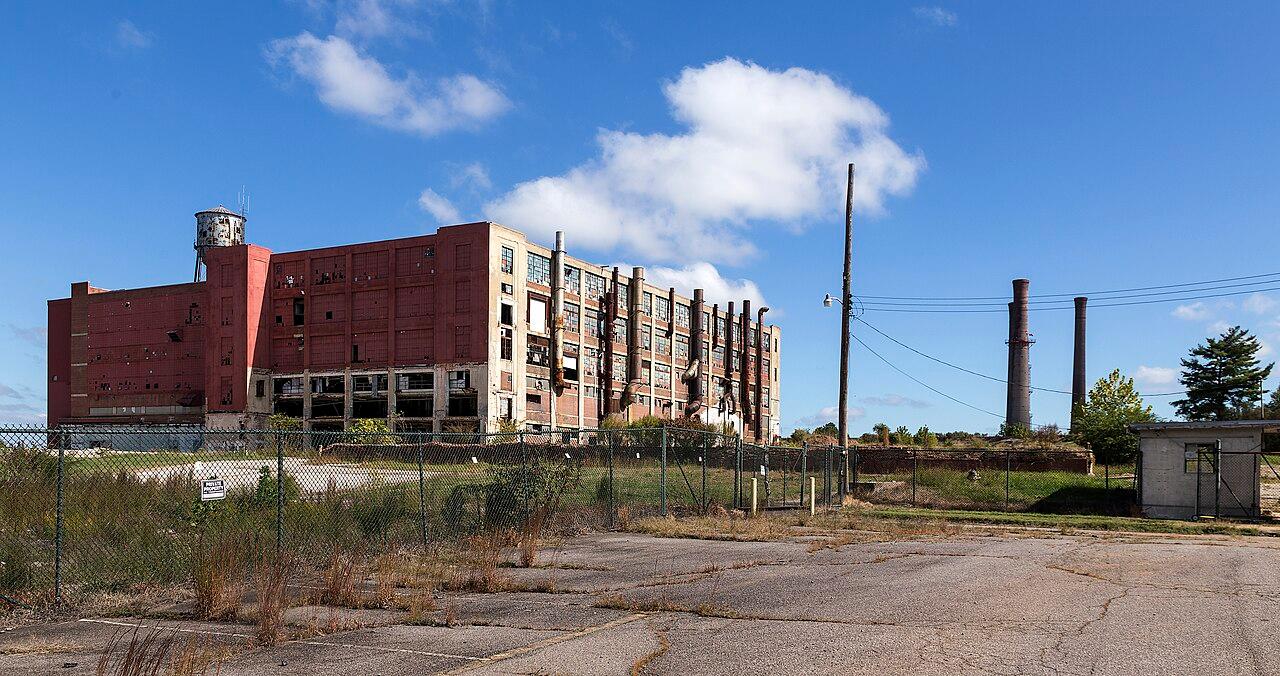
The Pillowtex Collapse
On July 30, Pillowtex—heir to Cannon Mills—shuts its plants and eliminates thousands of jobs, more than four thousand in the Kannapolis area alone: the largest single layoff in North Carolina history.
- 2005
The Quotas End
The WTO Agreement on Textiles and Clothing completes the ten-year phase-out of the Multi-Fibre Arrangement's quotas; Chinese imports surge so sharply that the U.S. imposes temporary safeguards.
Chapter 202010–2020
The Reshoring Frontier
Robotics, Digital Knitting, and the Technical-Textile Future
Some textile and apparel production began to return to America—but it looked nothing like its predecessor. Automated, capital-intensive, and built around technical fabrics, the new U.S. mill employs hundreds where its predecessors employed thousands.
- 2012
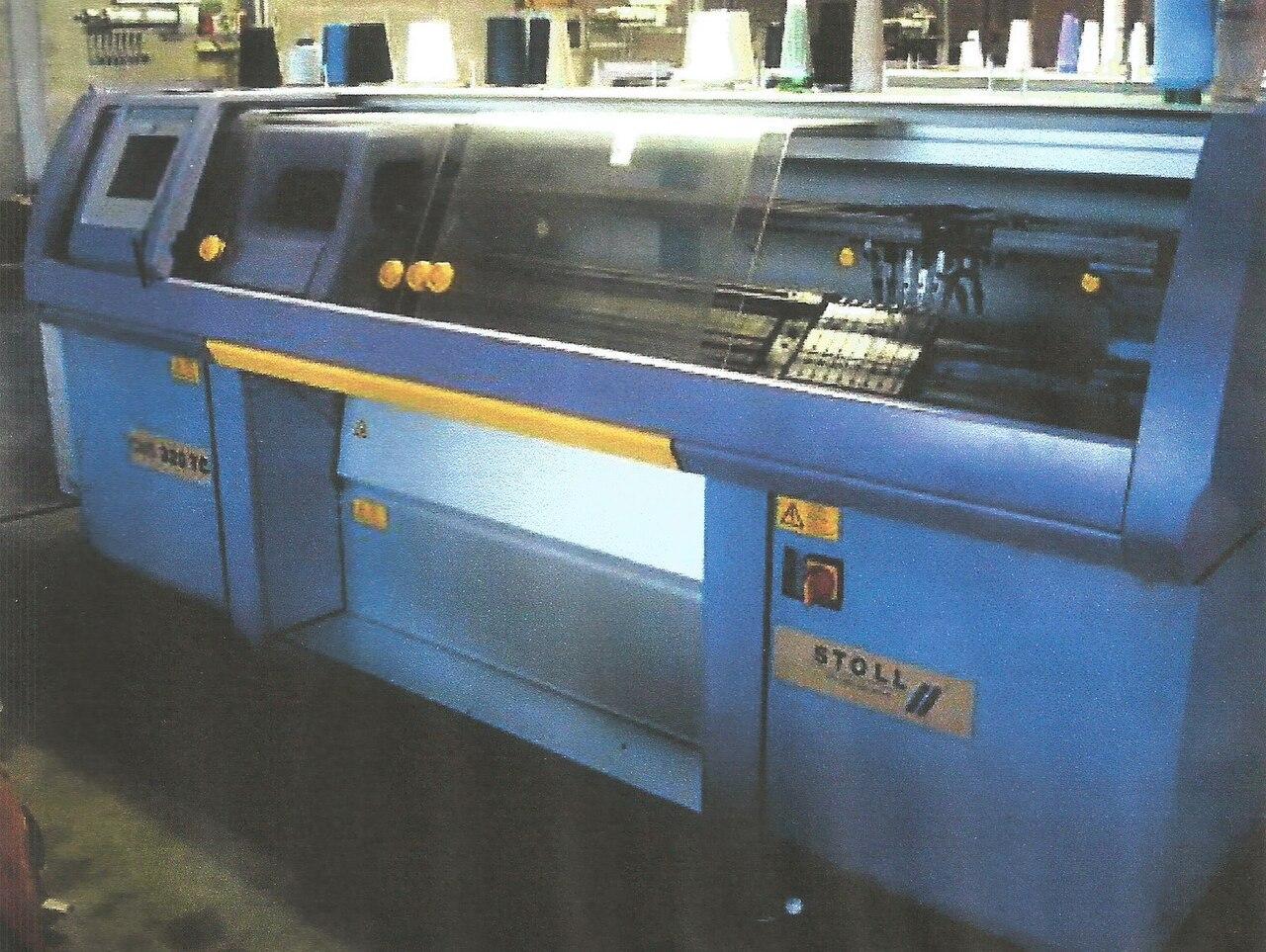
Knit Uppers
Nike's Flyknit and Adidas's Primeknit popularize engineered knit shoe uppers, produced on computerized flat-knitting machines with far less cutting waste.
- 2017
Speedfactory Atlanta
Adidas opens a robot-assisted footwear plant near Atlanta, following its 2016 Speedfactory in Ansbach, Germany.
- 2019
Speedfactory Closes
In November, Adidas announces it will end production at both Speedfactories by April 2020 and move the technology to suppliers in Vietnam and China.
- 2020
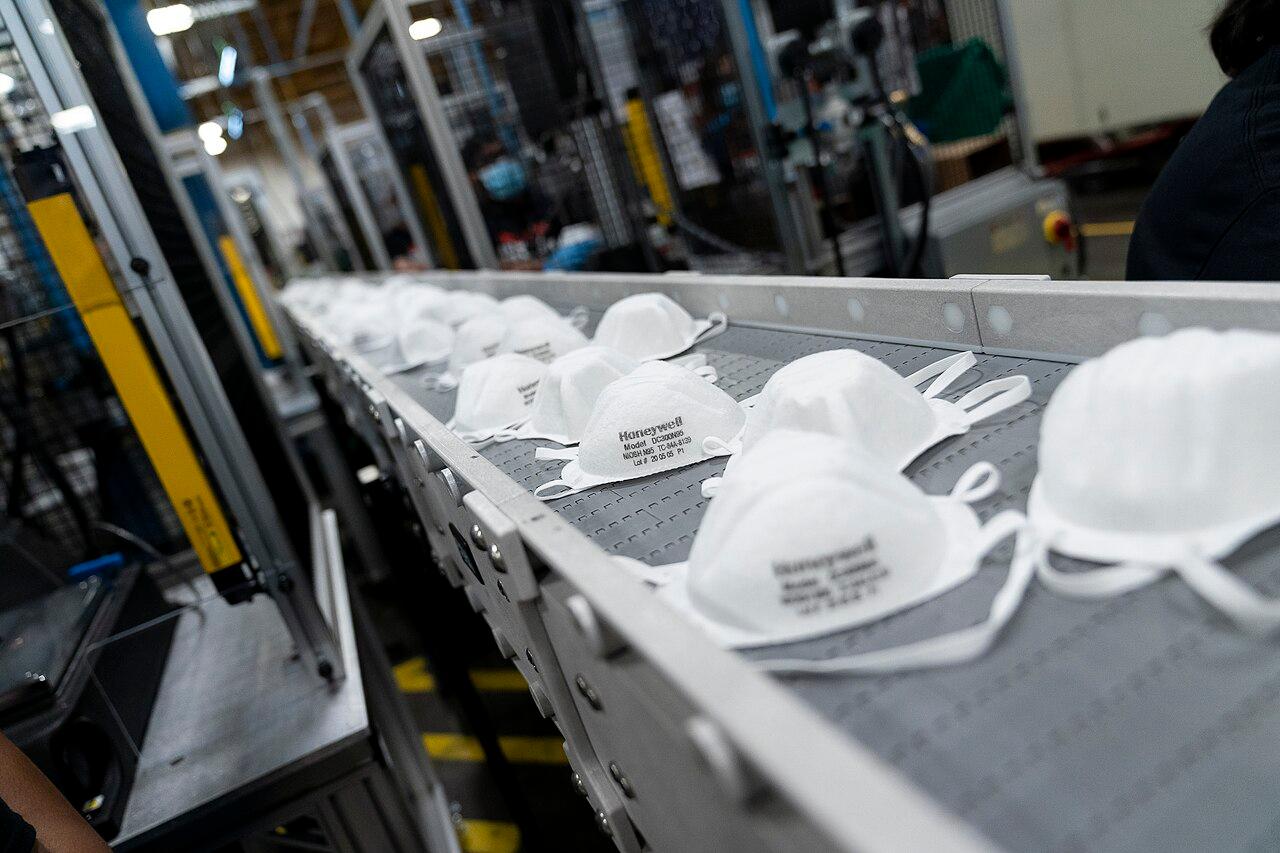
The PPE Pivot
Within weeks of the pandemic's onset, a consortium of U.S. textile and apparel firms retools to make cloth face coverings and medical gowns for the federal government.
Chapter 212020–Present
The Circular Reckoning
Fast Fashion, Sustainability Law, and the Next Fiber
The third decade of the twenty-first century has forced the industry to confront its full bill: microplastic pollution, documented labor abuses in ultra-fast fashion, and growing consumer and regulatory pressure against disposable clothing. The textile economy is being contested in legislatures, courts, and laboratories.
- 2021
The Shein Investigation
In November, the Swiss NGO Public Eye reports seventy-five-hour work weeks, no contracts, and missing emergency exits at workshops supplying Shein.
- 2022
The New York Fashion Act Introduced
In January, legislation is introduced in Albany to require large fashion companies to map at least half of their supply chains and set environmental targets; it is reintroduced in later sessions without passage.
- 2022
EU Strategy for Sustainable and Circular Textiles
On March 30, the European Commission adopts a strategy setting a 2030 vision of durable, repairable, recyclable textiles, to be pursued through binding measures such as ecodesign rules.
- 2023
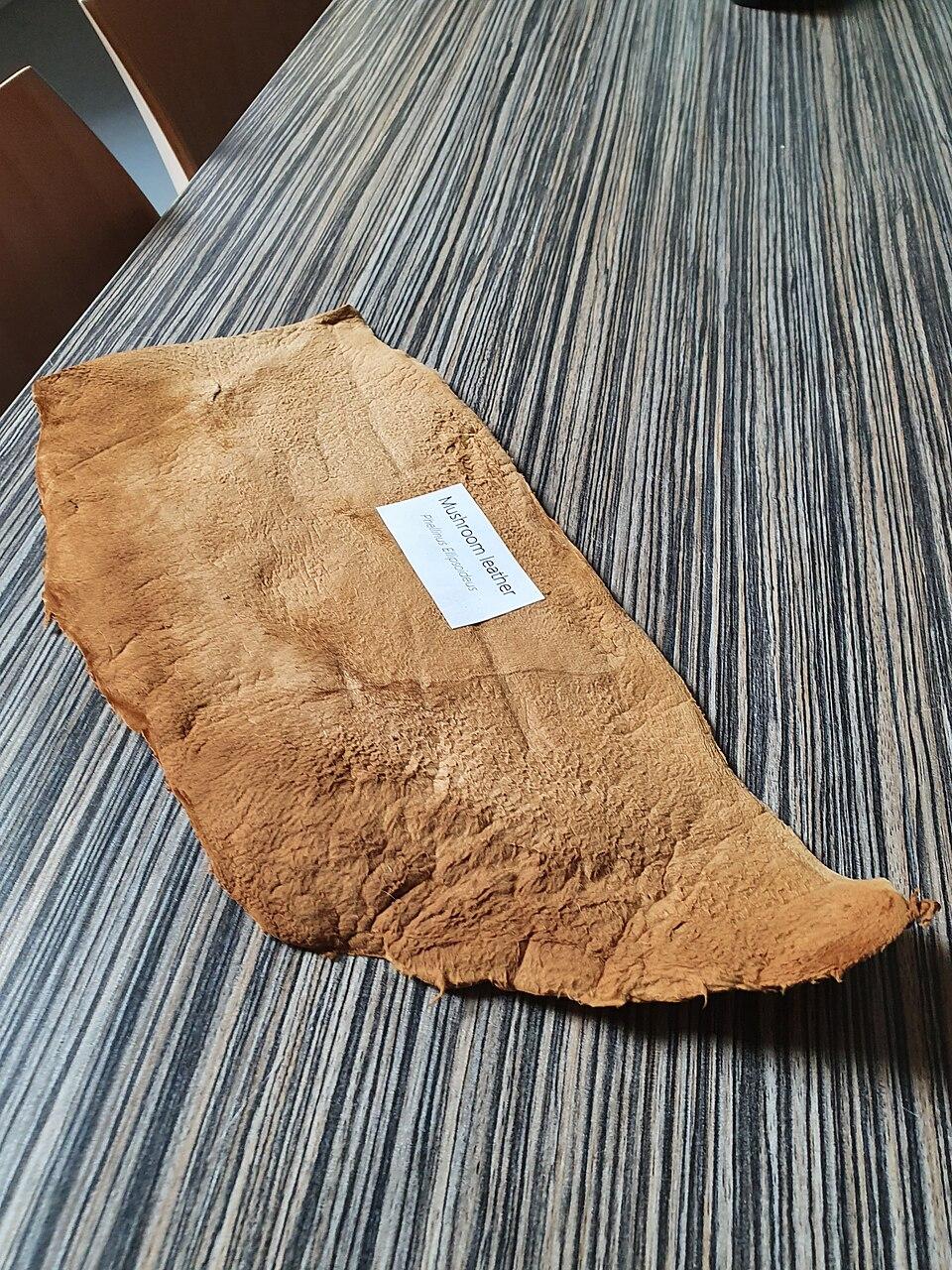
Mylo Paused
Bolt Threads halts production of Mylo, its mycelium-based leather alternative backed by Stella McCartney, Adidas, Kering, and others, after failing to secure funding.
- 2026
Shein Lists in Hong Kong
After abandoning earlier listing plans in New York and London, Shein completes a Hong Kong IPO on September 1 at a valuation far below its 2022 private-market peak.
- Tragedy
The Shein Reckoning
Inside the platform that adds thousands of new styles a day.
- Impact
The New York Fashion Act
A major U.S. attempt to legislate apparel supply chains—still unpassed.
- Innovation
Mycelium, Brewed Protein, and the Next Fiber
Early attempts at cloth grown in trays and tanks rather than fields.
- Tragedy
Rana Plaza
The 2013 factory collapse in Bangladesh that exposed the hidden supply chains of American brands.
- Labor
From El Monte to SB 62
Slavery in a Los Angeles suburb in 1995, and California's 2021 law making brands answer for their sweatshops.
Threads Across Time
Read the history sideways
Some questions run through every era. Each bar below spans the whole exhibit, and the lit segments show the chapters where that thread surfaces. Choose one to follow it from beginning to end.
Labor & Organizing
Who did the work, and what did it take for them to be heard?
38 stories
Before 1600PresentSlavery & Race
How did race shape who grew the fiber, who ran the mills, and who was kept out?
12 stories
Before 1600PresentWomen at Work
Why was the textile industry so often built on the labor of women and girls?
26 stories
Before 1600PresentImmigration
How did the mills remake who Americans were?
11 stories
Before 1600PresentChildhood
What did it mean to grow up in a mill?
7 stories
Before 1600PresentMachines & Materials
Did new technology free workers or bind them more tightly?
26 stories
Before 1600PresentHealth & Safety
What did it cost in lives before workplaces were made safe?
11 stories
Before 1600PresentLaw & Policy
How did government decide whose side to take?
29 stories
Before 1600PresentGlobal Trade
Where does your shirt come from, and who decides?
21 stories
Before 1600PresentLand & Environment
What did the industry take from the land and water?
6 stories
Before 1600Present
Regional Histories
The industry moved
Mills followed water power to New England, cheap labor and cotton to the Southern Piedmont, and global supply chains overseas. Watch it happen, then open any state for its mill towns, people, and tragedies.
11 of 14 profiled states active
- Mills operating
- Not yet begun
- Major era ended
The industry moved.
Press play or drag the slider to watch textile manufacturing take root in New England, migrate to the Southern Piedmont, and largely leave the country. Hover or tab to a state to preview its history, and select it to read the full regional record.
The Open Question
Where does the
thread go next?
Automation, pandemic production, sustainability law, and new fibers are reshaping what American textile work could become. The history in this exhibit is the evidence for deciding what it should be.
- The Reshoring Frontier
The Automated Factory
Robotics, digital knitting, and the limits of the 'factory of the future.'
Image: Elkágyé, "Contemporary flat knitting machine" (2018). Wikimedia Commons, CC BY-SA 4.0.
 The Reshoring Frontier
The PPE Pivot of 2020
What was left of the U.S. textile base, in a crisis.
Image: Shealah Craighead, Official White House Photo, Honeywell International Inc. mask production line, Phoenix, Arizona, May 5, 2020. Public domain (U.S. government work).
 The Circular Reckoning
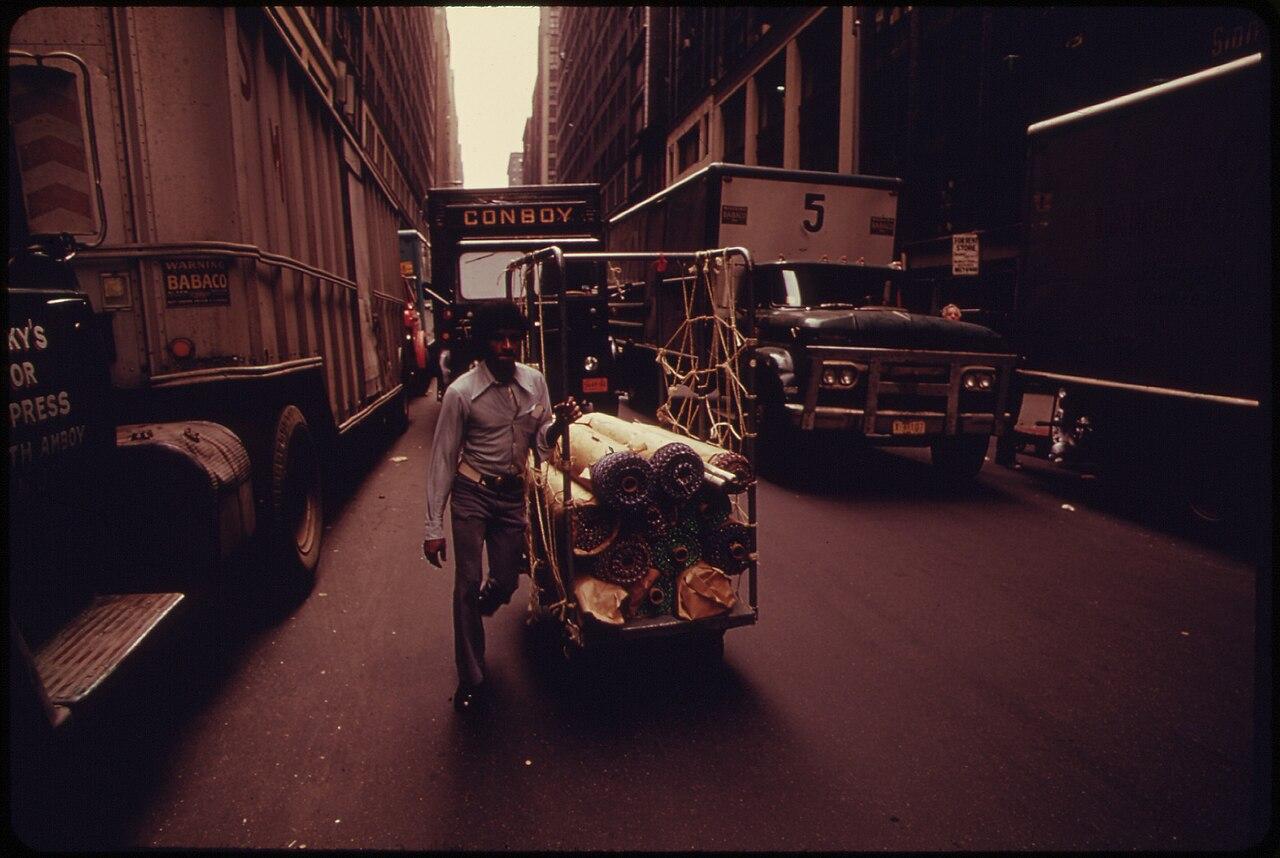
The New York Fashion Act
A major U.S. attempt to legislate apparel supply chains—still unpassed.
Image: Dan McCoy, "A frequent sight in midtown Manhattan's famous Garment District (between Broadway and Eighth Avenue)," April 1973. U.S. National Archives and Records Administration (NAID 549867). Public domain.
 The Circular Reckoning
Mycelium, Brewed Protein, and the Next Fiber
Early attempts at cloth grown in trays and tanks rather than fields.
Image: ThamaraGroenleer, "Mushroom leather" (2022). Wikimedia Commons, CC BY-SA 3.0.