Innovation · Chapter 13, 1920–1930
The Death of the Shaft
How the electric motor ended a century of belts and line shafts.
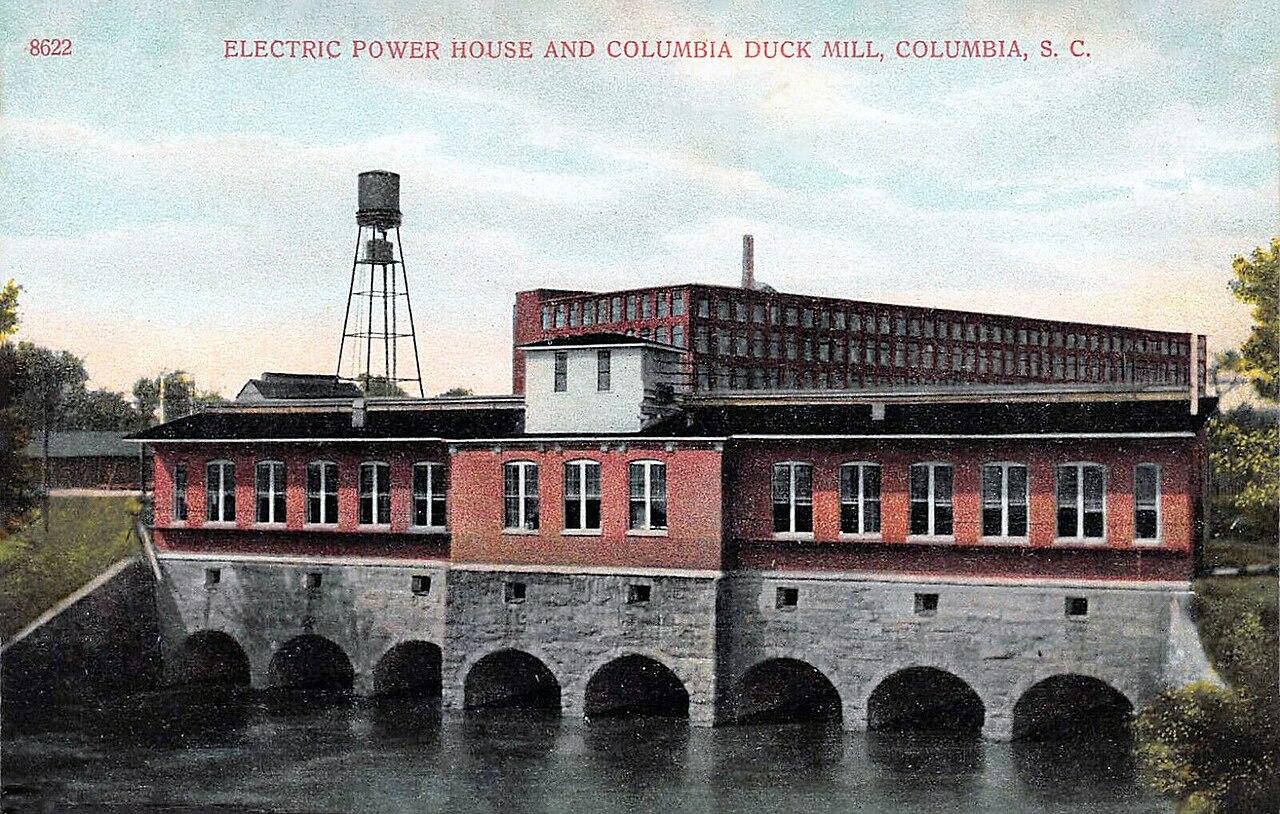
In a traditional mill, a water wheel, turbine, or steam engine turned a main shaft running the length of the building. From it, a forest of leather belts dropped to drive individual machines below. The belts were a constant hazard: loose clothing, hair, and hands could be caught and dragged in, and a single broken belt or shaft could halt a whole room. Electrification allowed each machine, or small group of machines, its own motor. As NCpedia's history of the state's mills notes, electric drive eliminated the line shafting and belt-driven machinery that had contributed to accidents and shutdowns, and the uniform speed of individual motors made production steadier. The overhead tangle of leather and iron vanished from new mills over a generation, taking with it one of the most dangerous features of nineteenth-century industrial life.
Sources
- ScholarshipCotton Mills. NCpedia (State Library of North Carolina).
- ScholarshipDavid E. Nye. Electrifying America: Social Meanings of a New Technology, 1880–1940. MIT Press, 1990.