Biography · Chapter 18, 1980–2000
Air Jordan and the Sneaker Economy
How a basketball shoe became a foundation of modern brand culture.
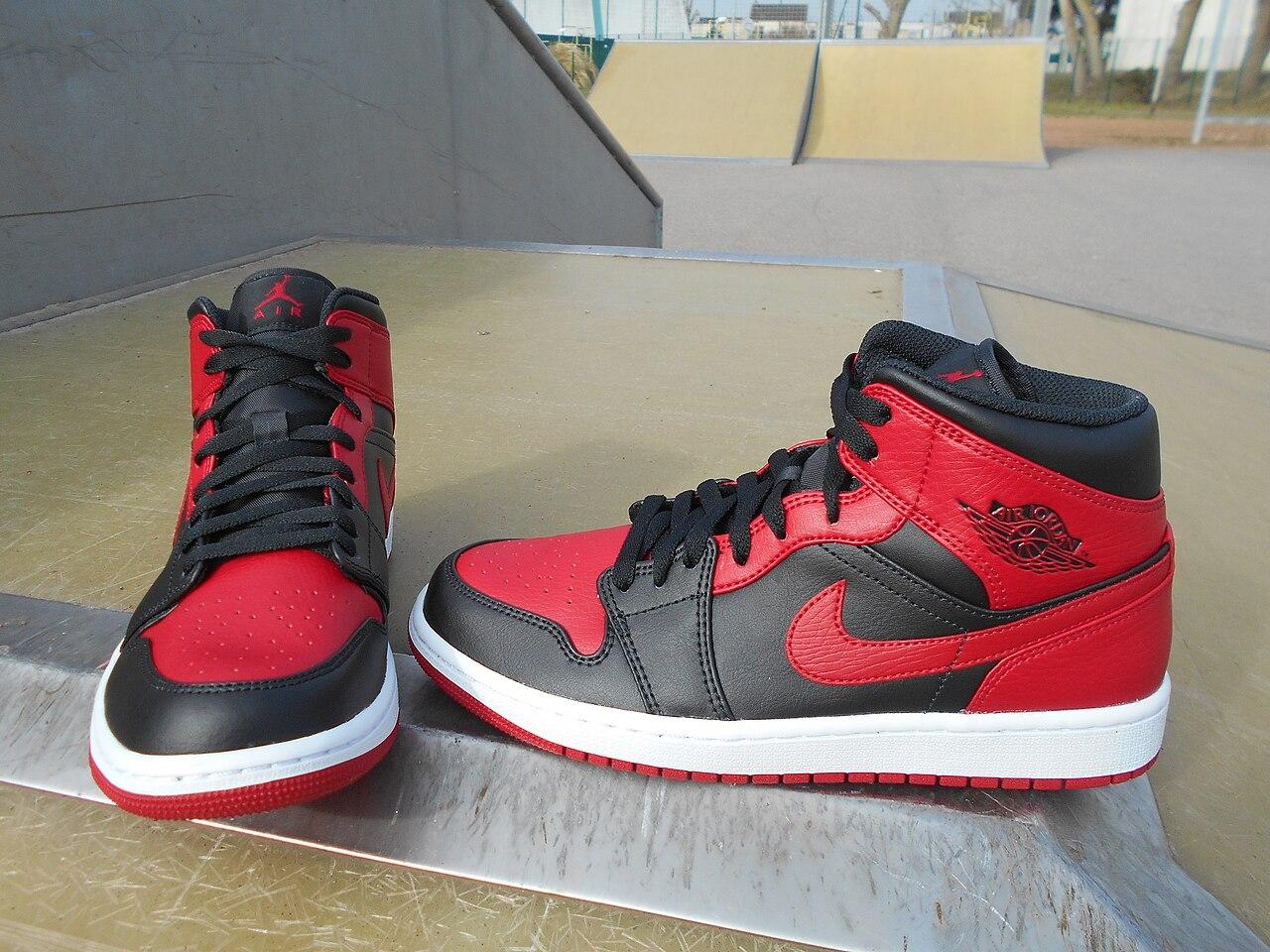
When Nike signed Michael Jordan in 1984, it trailed Converse and Adidas in the basketball market. Instead of spreading its money across a roster of players, Nike bet on a single rookie with a five-year deal that included royalties on a signature shoe. In October 1984 Jordan wore a black-and-red Nike Air Ship in a preseason game, and the league warned Nike that the shoe violated its uniform rules; a letter dated February 25, 1985, followed. Nike built its 'Banned' advertising campaign around the warning. The widely repeated story that Jordan was fined five thousand dollars a game, with Nike paying, is legend: no fines are documented, and the shoe in question was not the Air Jordan 1. Released in the spring of 1985 at sixty-five dollars, the Air Jordan sold about $126 million in its first year, far beyond Nike's projections. The shoe established a playbook—the signature line, the limited release, the manufactured scarcity—that underlies today's global sneaker resale market.
Sources
- Primary sourceHow the Air Jordan 1 Banned Colorway Sparked a Sneaker Revolution. Nike.
- ScholarshipNew Documentary Tells Story Of Nike Air Jordans, Warts And All. Forbes, 2020.
- ScholarshipThe True Story Behind the Banned Air Jordan. Complex.