NC · Textile era 1813–2017
North Carolina
The New Cotton Kingdom
North Carolina was the heart of the twentieth-century Southern textile industry. Cone Mills in Greensboro produced denim for Levi Strauss for more than a century. Cannon Mills in Kannapolis became one of the world's largest towel manufacturers. The 1929 Loray Mill strike at Gastonia—and the murder of Ella May Wiggins—remains one of the defining episodes of American labor history. The state's legacy industry largely collapsed between the mid-1990s and the mid-2000s.
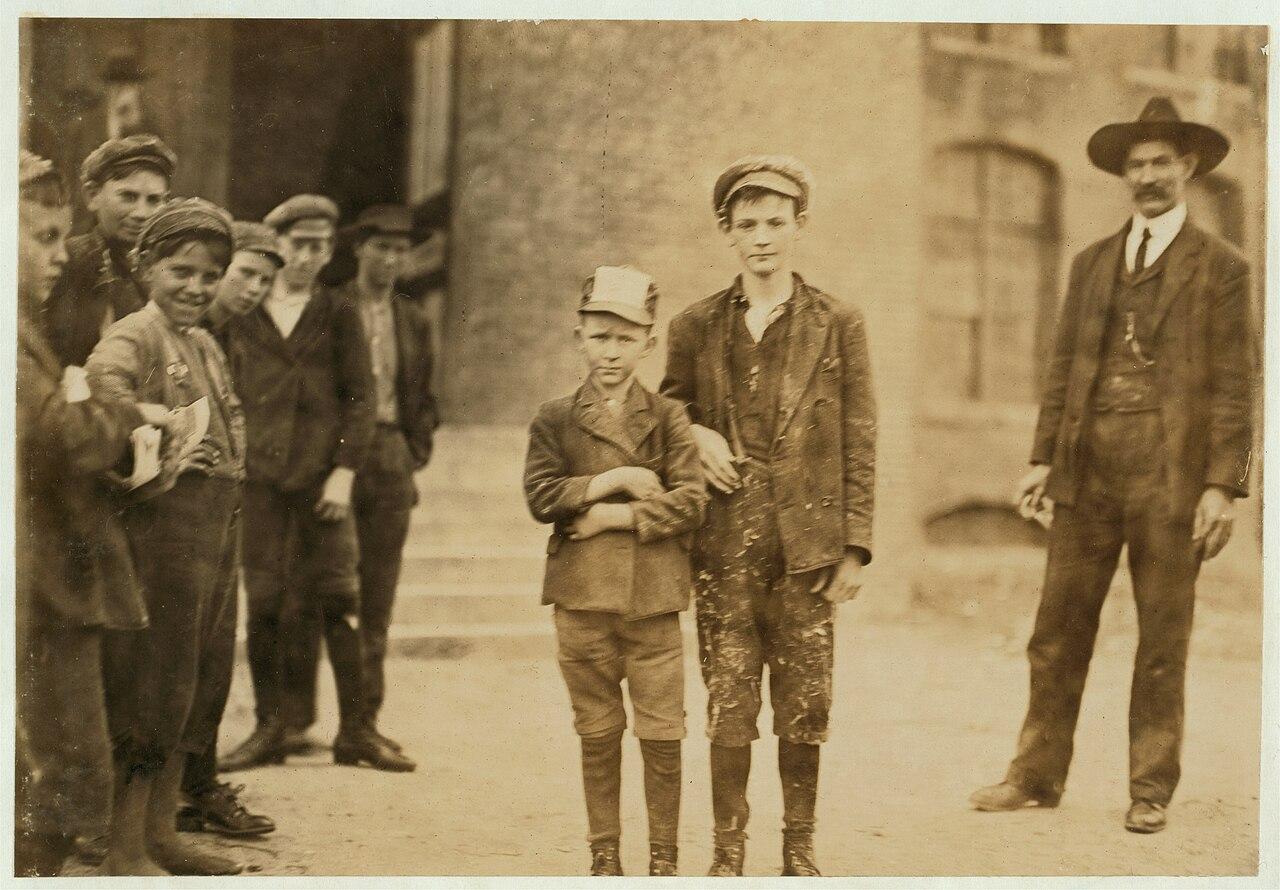
North Carolina's first cotton mill was built near Lincolnton around 1813 by Michael Schenck, but the industry's defining era began in the 1880s, when the state's mill count went from 75 in 1884 to more than two hundred new mills over the next two decades. By 1923, North Carolina had passed Massachusetts as the leading textile-producing state by value of product. Two empires defined the era: the Cone family of Greensboro, whose White Oak plant (1905) became the world's largest denim mill and began supplying Levi Strauss around 1915, and the Cannon family, whose towel mills built the company town of Kannapolis from 1906. The 1929 Loray Mill strike at Gastonia drew national attention with the murder of the striker and songwriter Ella May Wiggins; less than three weeks later, sheriff's deputies killed six strikers at Marion. NAFTA (1994), China's WTO accession (2001), and the end of import quotas (2005) devastated the industry. On July 30, 2003, Pillowtex, successor to Cannon, closed its plants, eliminating more than four thousand jobs in the Kannapolis area—the largest single layoff in North Carolina history. White Oak, the last American selvedge-denim mill, closed at the end of 2017.
In memoriam: industrial tragedies
1929Ella May Wiggins Murdered
1
The striker and songwriter is shot dead by an anti-union mob on the road to a union rally in Gaston County; five Loray employees are tried and acquitted.
1929Marion Massacre
6
Sheriff's deputies fire on strikers at the Marion Manufacturing Company; six are killed and at least fifteen wounded, most shot in the back.
2003Pillowtex Collapse
About 4,300 local jobs
Thousands of textile jobs—more than four thousand in the Kannapolis area—are eliminated in a single day.
What remains
White Oak's closure in December 2017 ended 112 years of continuous production and was mourned in the global denim community. Kannapolis has reinvented itself around the North Carolina Research Campus on the former Cannon mill site. The Loray Mill in Gastonia, within a National Register historic district, reopened in 2014 as loft apartments and commercial space, and a state historical marker commemorates the 1929 strike.
Stories set here
- Impact · 1880–1920The Piedmont Mill Village
- Impact · 1880–1920The Dagenhart Boys and the Law
- Impact · 1920–1930The Great Piedmont Migration
- Biography · 1920–1930Ella May Wiggins: The Singer of Gastonia
- Tragedy · 1920–1930The Marion Massacre
- Labor · 1960-1985Opening the Mill Gates
- Biography · 1960-1985The Real Norma Rae
Sources
- ScholarshipTextiles in North Carolina: The Rise of the Industry. NCpedia (State Library of North Carolina).
- ScholarshipWiggins, Ella May. NCpedia (Dictionary of North Carolina Biography).
- ScholarshipCone Mills to Close White Oak Plant, Last American Selvedge Denim Mill. Heddels, 2017.
- Primary sourcePillowtex press release, July 30, 2003 (Exhibit 99.2). U.S. Securities and Exchange Commission, EDGAR, 2003.