Biography · Chapter 12, 1911
Clara Lemlich, Two Years Earlier
The warning the industry refused to hear.
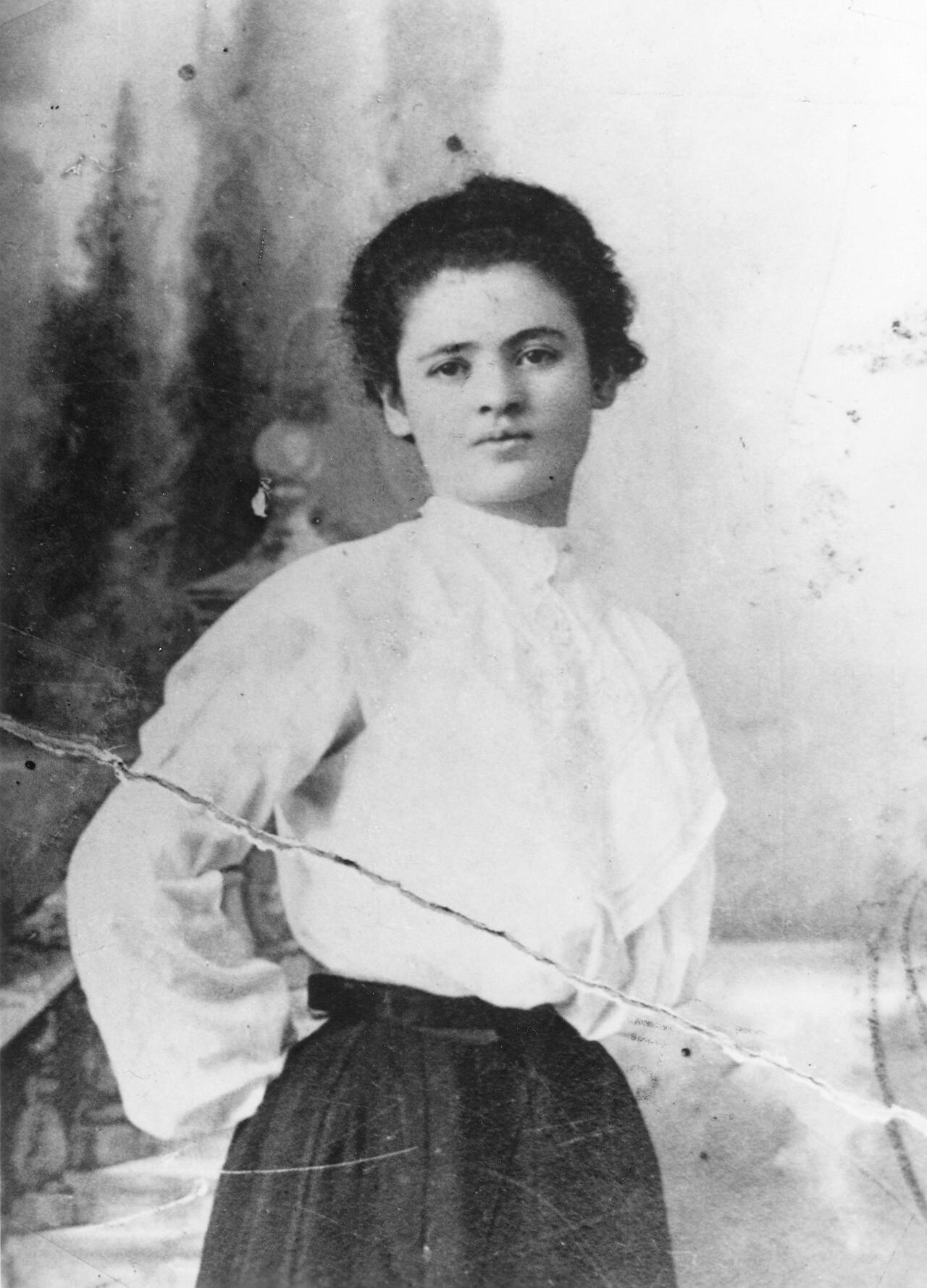
In November 1909, Clara Lemlich—a twenty-three-year-old immigrant shirtwaist maker from Ukraine who had already been beaten on a picket line—stood at Cooper Union and called the general strike that became the Uprising of the 20,000. During the strike, Triangle's owners hired thugs and enlisted police against picketers, and hundreds of strikers were arrested. The strike won agreements at most shops, but Triangle refused to recognize the union, and the shop-safety demands the strikers raised went unmet there. The fire of 1911 was, in that sense, the outcome of a fight the workers had already begun and the city had failed to finish. Lemlich was blacklisted in the trade but went on to decades of work as a suffragist, consumer and tenant organizer, and radical activist; in her final years at a Los Angeles nursing home, she helped the orderlies organize.
Sources
- Primary sourceClara Lemlich testimony (Out of the Sweatshop). Kheel Center, Cornell University ILR School.
- ScholarshipAnnelise Orleck. Common Sense and a Little Fire: Women and Working-Class Politics in the United States, 1900–1965. University of North Carolina Press, 1995.
- ScholarshipSweatshops and Strikes before 1911. Kheel Center, Cornell University ILR School.