TN · Textile era 1885-1990s
Tennessee
Rayon, Mountain Women, and the Mills of the Valley
Tennessee's textile history runs from Knoxville's weaving and knitting mills to Chattanooga's yarn plants, but its defining moment came in the East Tennessee town of Elizabethton. There, in March 1929, young women at two German-owned rayon plants walked off the job, igniting a strike that brought the National Guard into the mountains and is often credited with opening a wave of Southern textile revolts.
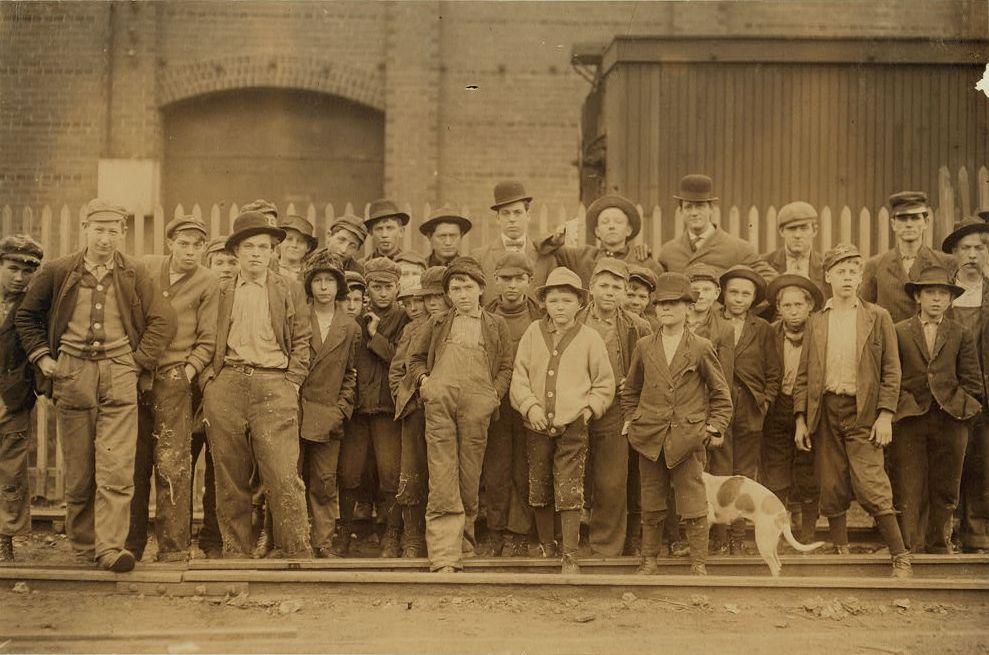
East Tennessee grew little cotton, but railroads and a ready rural workforce drew textile capital. In Knoxville, Brookside Mills opened in 1885 and employed more than a thousand workers until 1956; the Knoxville Woolen Mills, renamed Appalachian Mills in 1922, claimed in 1892 to be the largest jeans mill in the country; and by 1930 the city's 22 textile and clothing factories employed 8,000 people and billed Knoxville as the world's leading center of heavy-weight cotton-knit underwear. In Chattanooga, John T. Lupton's Dixie Mercerizing Company founded Dixie Spinning Mills, which began production in 1923 at the company town of Lupton City, where men worked 12.5-hour days and women 10.5. Rayon came to Elizabethton in 1926, when American Bemberg, an affiliate of Germany's Vereinigte Glanzstoff Fabriken, began making cuprammonium rayon there; American Glanzstoff opened a viscose plant in 1928. Local officials had promised the German owners docile, nonunion labor. On March 12, 1929, Margaret Bowen led 523 women out of the Glanzstoff plant over wages lower than men's for the same fifty-six-hour week, petty rules applied only to women, and pressure to rent company housing; Bemberg workers struck in sympathy six days later. A first settlement collapsed when union members were not rehired. In early April, local businessmen kidnapped two union officials and drove them across the state line. A second strike began April 15; Governor Henry Horton sent 800 National Guardsmen, and troops arrested more than 300 strikers between May 14 and 16. The May 25 agreement left the union unrecognized, and hundreds of strikers were blacklisted.
What remains
Elizabethton became a touchstone for historians of Southern women and labor, most influentially through Jacquelyn Dowd Hall's 1986 essay 'Disorderly Women,' which recovered the young mountain women who led the strike. The rayon companies never recognized Local 1630 of the United Textile Workers, governing labor relations through a company council until 1938; an NLRB election recertified the local in 1940. Dixie Yarns still operated its Lupton City plant in the mid-1990s, and many retirees live on in the former company houses.
Sources
- ScholarshipMarie Tedesco. Elizabethton Rayon Plants Strikes, 1929. Tennessee Encyclopedia, Tennessee Historical Society, 2017.
- ScholarshipNorth American Rayon Corporation and American Bemberg Corporation. Tennessee Encyclopedia, Tennessee Historical Society.
- ScholarshipDixie Spinning Mills. Tennessee Encyclopedia, Tennessee Historical Society.
- ScholarshipJacquelyn Dowd Hall. Disorderly Women: Gender and Labor Militancy in the Appalachian South. Journal of American History 73, 1986.