Impact · Chapter 19, 1980–2005
The End of the Quotas
The night the quotas died.
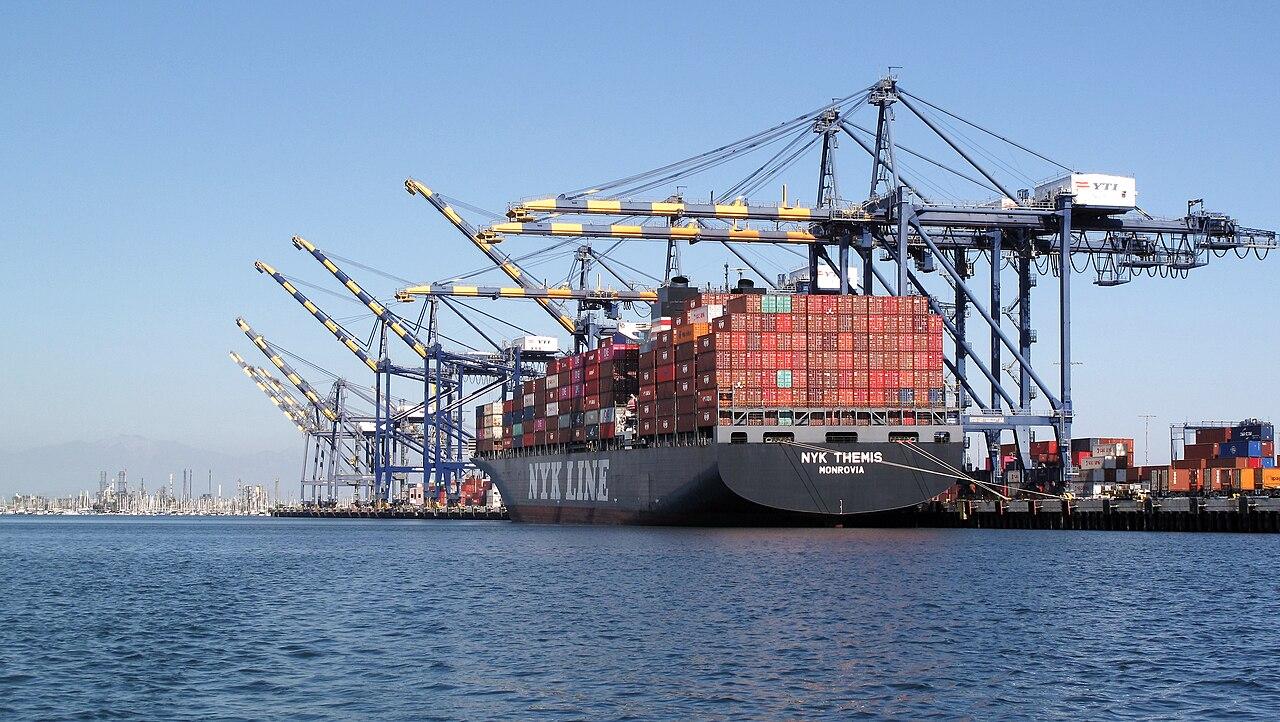
From 1974 the Multi-Fibre Arrangement allowed importing countries to set textile and apparel quotas country by country, which spread global production across dozens of nations and slowed the flood of imports into the remaining American industry. The WTO's 1995 Agreement on Textiles and Clothing replaced it with a ten-year schedule for phasing the quotas out, and the last of them expired on January 1, 2005. The expiration had been anticipated and feared for years. Chinese exports of some apparel categories to the United States surged so steeply in the first months of 2005 that Washington invoked safeguard provisions to reimpose temporary limits, and in November 2005 the two countries agreed to cap growth in many categories through 2008. The reprieve was temporary. Mills that had survived NAFTA, China's WTO entry, and a decade of consolidation closed in waves, and much of the commodity textile capacity that had defined American industry for two centuries disappeared.
Sources
- Government recordAgreement on Textiles and Clothing. World Trade Organization, 1995.
- ScholarshipTextile Jobs in Decline. PBS NewsHour.