Tragedy · Chapter 13, 1920–1930
The Marion Massacre
Six strikers killed at the Marion Manufacturing Company gate, less than three weeks after Ella May Wiggins.
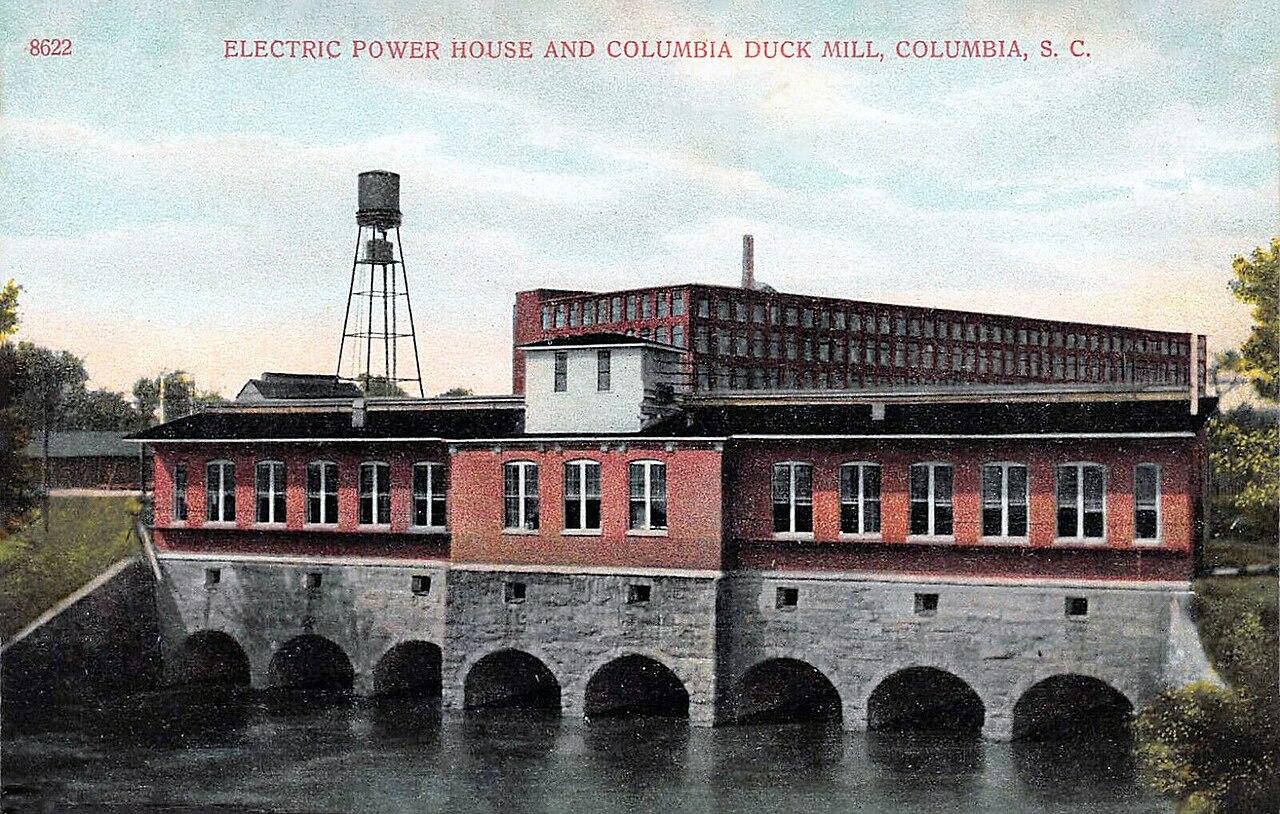
Workers at Marion's two mills, Clinchfield and the Marion Manufacturing Company, struck in July 1929 against long hours, low pay, and the stretch-out. Early on the morning of October 2, 1929, strikers gathered at the gate of the Marion Manufacturing Company mill as the shift changed. Sheriff Oscar Adkins and his deputies were there; after the sheriff used tear gas, the deputies opened fire. Four strikers died at the scene and two more later, and at least fifteen were wounded; witnesses and reporters said most of the dead had been shot in the back. The sheriff and a group of deputies were tried for the killings in December 1929 and acquitted. Coming less than three weeks after the murder of Ella May Wiggins, the Marion killings marked the violent close of the 1929 Southern organizing wave and showed unionists how fully local law enforcement could act in the mill owners' interest.
Sources
- ScholarshipOctober 2, 1929: The Marion Mill Massacre. Asheville Museum of History.
- Archive / museumMarion Textile Strike Collection, finding aid. University of North Carolina at Asheville, Special Collections.
- ScholarshipMountain Shame. Mountain Xpress, 2011.