A thread through time
Childhood
What did it mean to grow up in a mill?
Children worked in American mills from Slater's first spinning room until federal law finally barred them in 1938. Lewis Hine's camera made them impossible to ignore.
7 stories across 5 chapters
1790–1810 · The Industrial Spy
LaborThe Rhode Island System
America's first factory system built on the labor of children.
Read the story →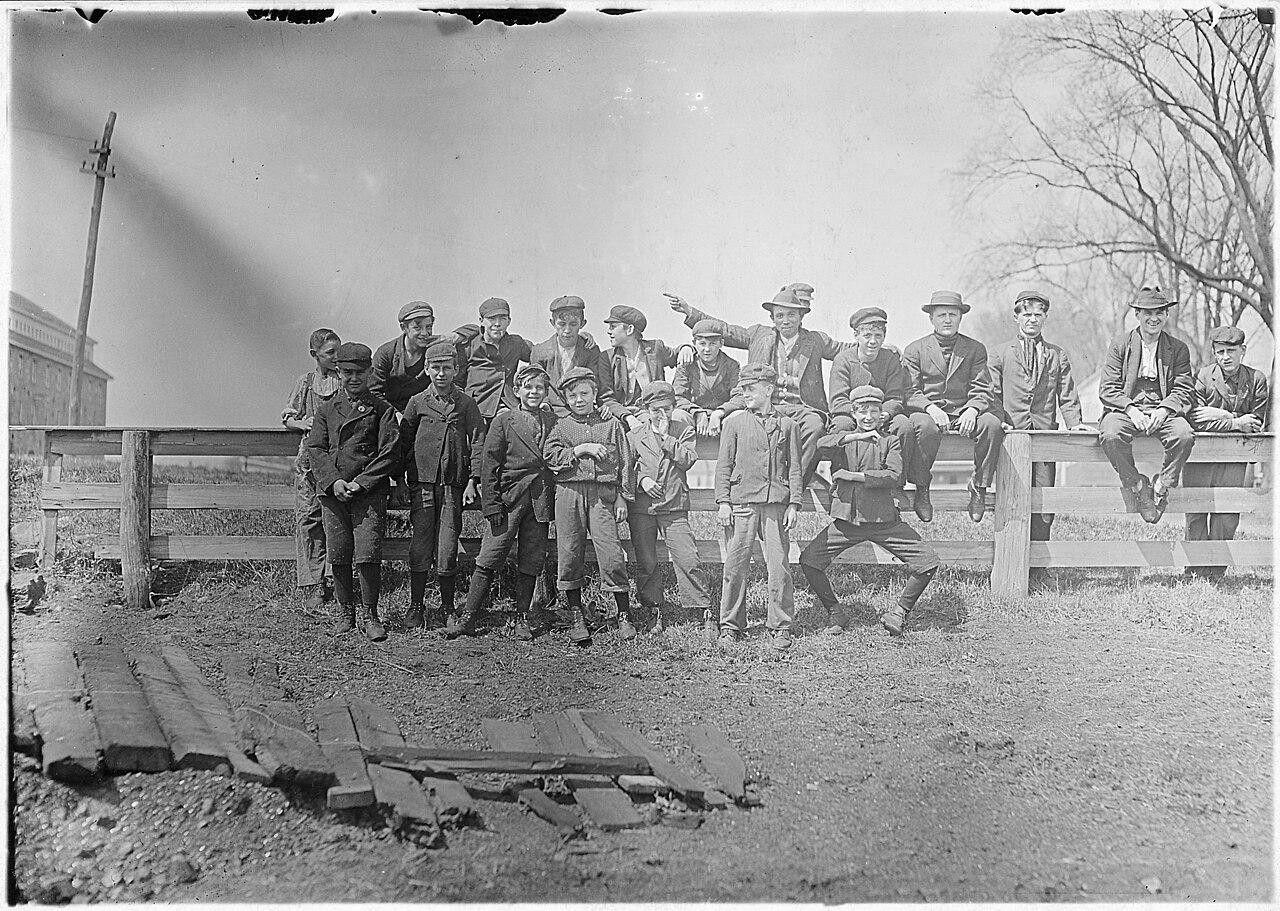
Lewis Wickes Hine, "All these boys (and more) worked in the Quidwick Co. Mill. They went in when the signal was given. Anthony, R.I.," April 16, 1909. U.S. National Archives and Records Administration (NAID 523181). Public domain. 1870–1910 · The Garment District
Material CultureLewis Hine and the Camera as Indictment
A sociologist with a flash camera redefined documentary photography.
Read the story →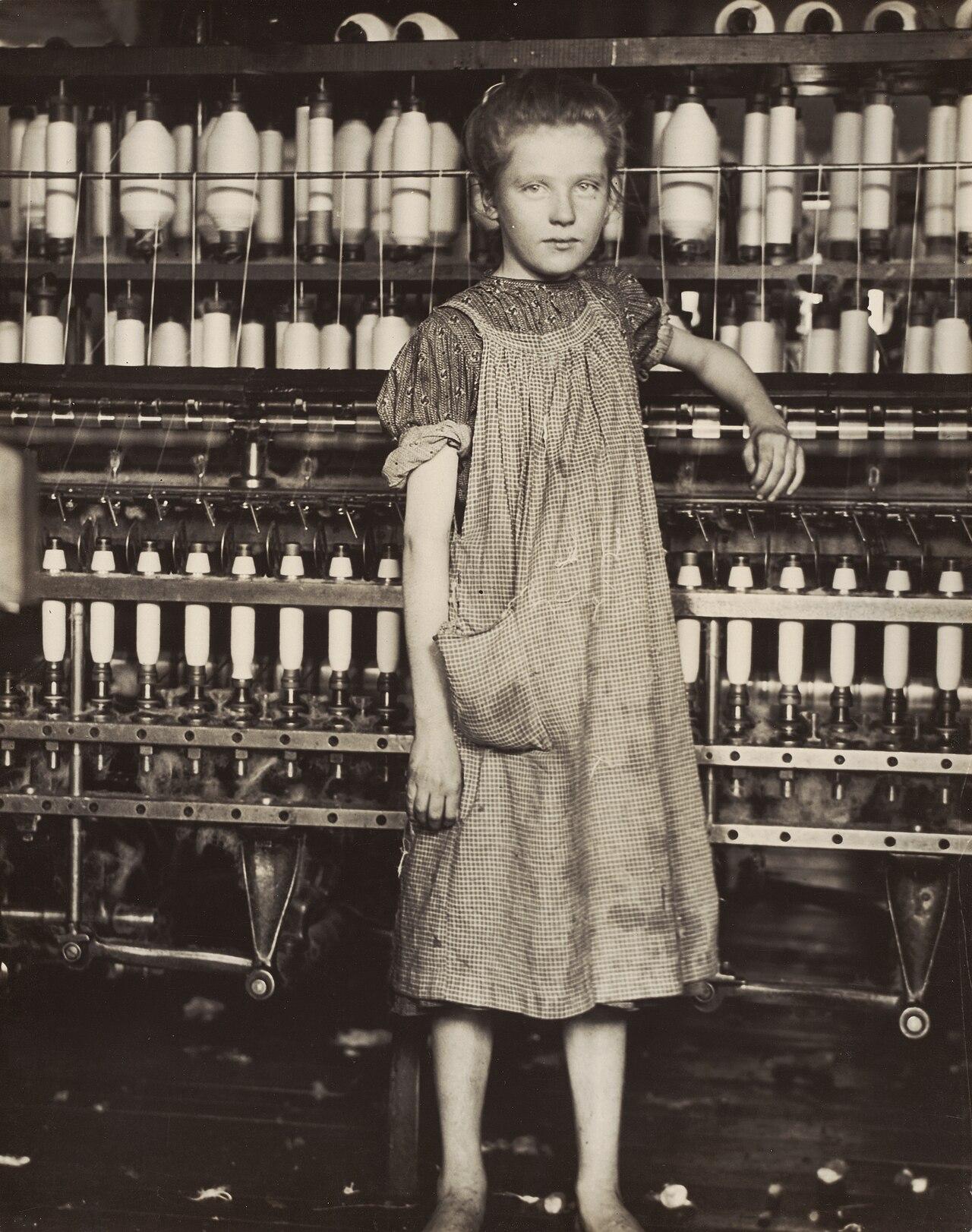
Lewis Wickes Hine, "Addie Card, 12 years old. Spinner in cotton mill, North Pownal, Vermont," 1910. National Gallery of Art, Washington, Open Access (165230). CC0. 1880–1920 · The Gilded Age of Wool
LaborBread and Roses
The 1912 Lawrence strike that united dozens of nationalities.
Read the story →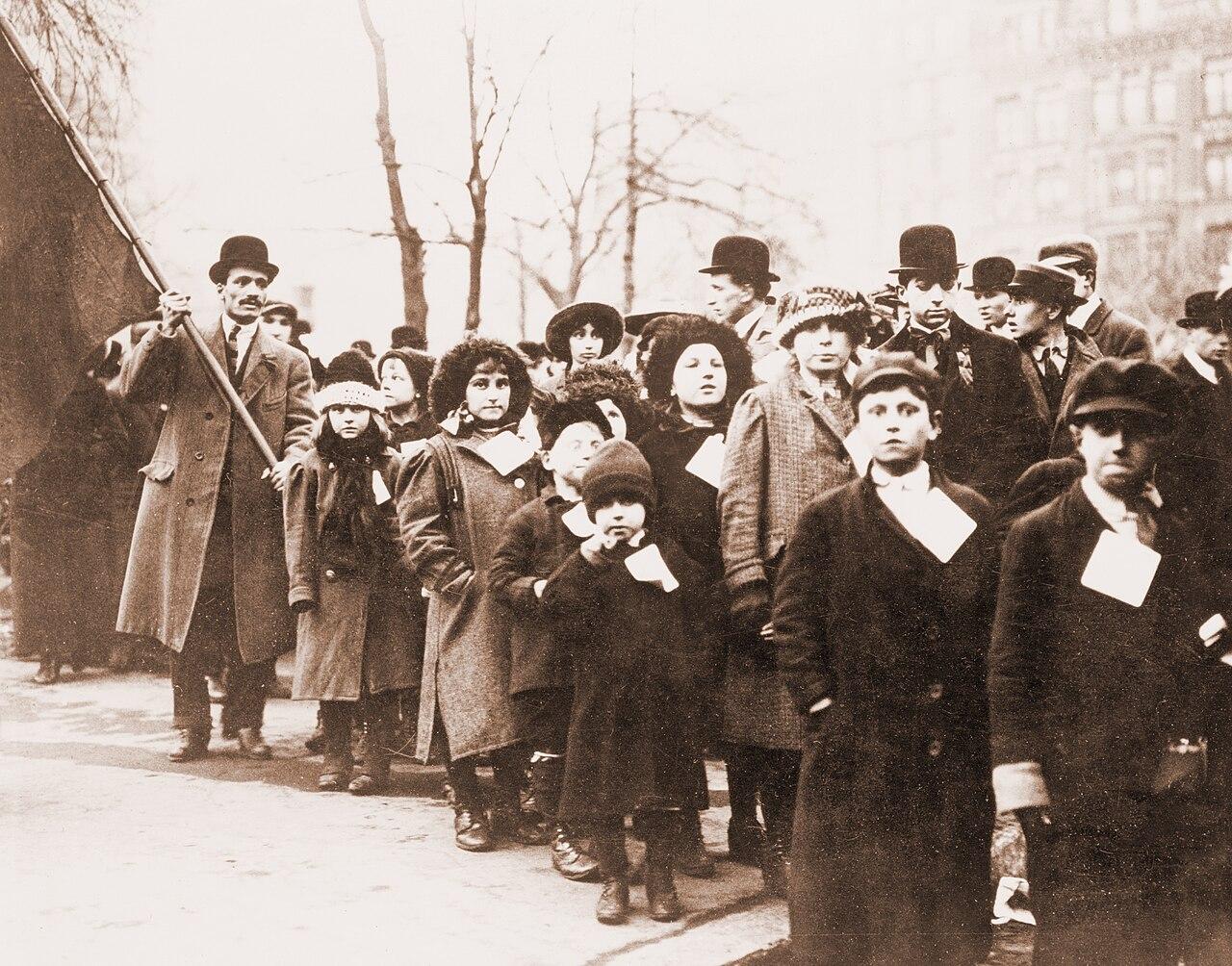
Bain News Service, children of Lawrence strikers sent to sympathizers in New York City, 1912. Library of Congress, George Grantham Bain Collection. Public domain. - Impact
The Piedmont Mill Village
A new social order built around the Southern cotton mill.
Read the story →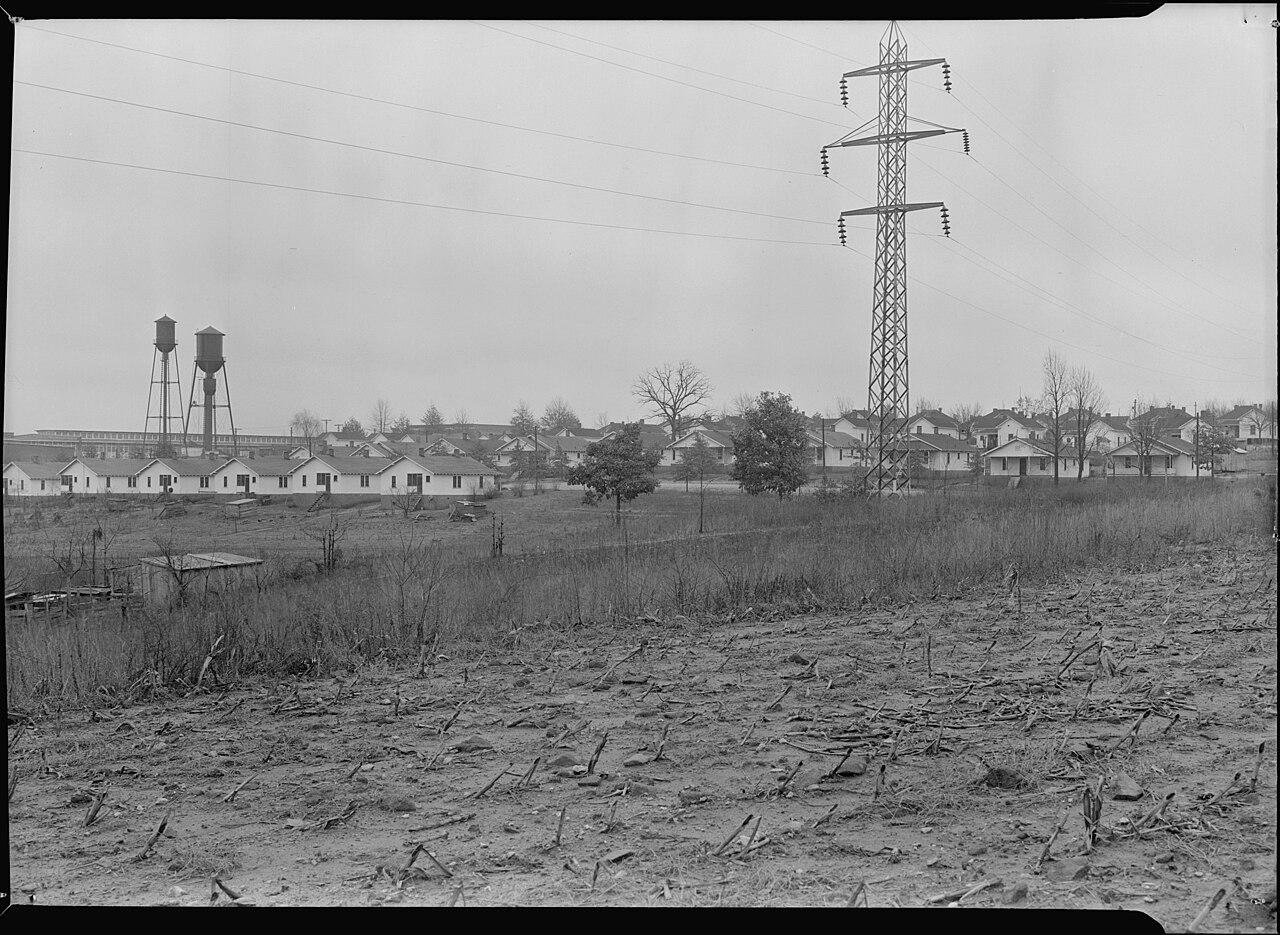
Lewis Wickes Hine, "High Point, North Carolina-Housing. General view of company-owned mill village-Highland Yarn Mills," 1936-1937. Works Progress Administration National Research Project, U.S. National Archives and Records Administration (NAID 518534). Public domain. - Impact
The Dagenhart Boys and the Law
How a Charlotte cotton mill family carried child labor to the Supreme Court, and why it took twenty-five years to end it.
Read the story →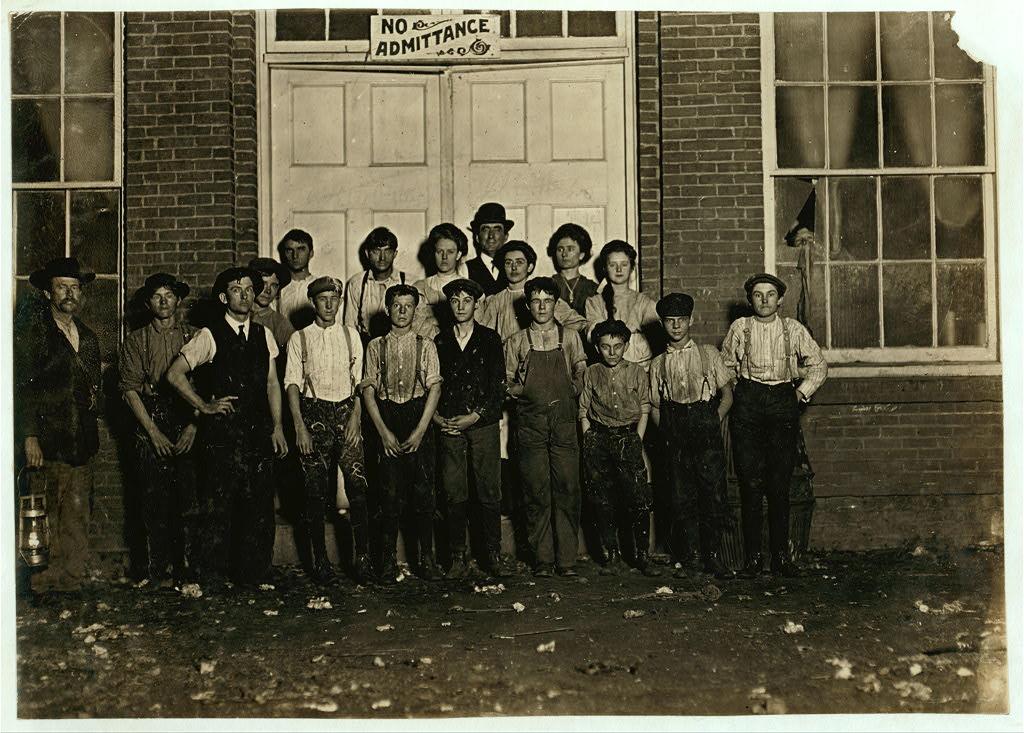
Lewis Wickes Hine, "A few of the hands on the night shift in Highland Park Mill No. 3, Charlotte, N.C. 10:30 P.M. January 7/09," 1909. Library of Congress, National Child Labor Committee Collection (LC-DIG-nclc-01577). Public domain. 1920–1930 · The Electric Loom
BiographyElla May Wiggins: The Singer of Gastonia
A mill mother shot dead on the road to a union rally in 1929.
Read the story →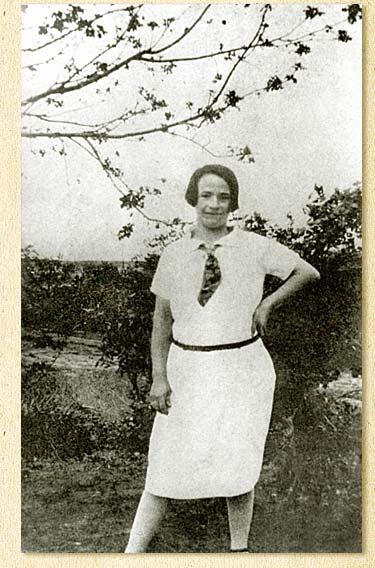
Unidentified photographer, Ella May Wiggins. Public domain in the United States, via English Wikipedia. 1980–2000 · The Branded Empire
Material CultureCalvin Klein and the Birth of Designer Denim
How a Bronx-born designer made workwear a status symbol.
Read the story →
Carol M. Highsmith, "Indoor shopping mall," between 1980 and 1990. Carol M. Highsmith Archive, Library of Congress Prints and Photographs Division (LCCN 2011635987). Public domain.
Other threads
- Labor & OrganizingWho did the work, and what did it take for them to be heard?
- Slavery & RaceHow did race shape who grew the fiber, who ran the mills, and who was kept out?
- Women at WorkWhy was the textile industry so often built on the labor of women and girls?
- ImmigrationHow did the mills remake who Americans were?
- Machines & MaterialsDid new technology free workers or bind them more tightly?
- Health & SafetyWhat did it cost in lives before workplaces were made safe?
- Law & PolicyHow did government decide whose side to take?
- Global TradeWhere does your shirt come from, and who decides?
- Land & EnvironmentWhat did the industry take from the land and water?