A thread through time
Global Trade
Where does your shirt come from, and who decides?
From British mercantilism to the Multi-Fibre Arrangement and today's offshore supply chains, the industry has always been a contest over who makes the world's cloth.
21 stories across 11 chapters
Before 1600 · Before the Loom
InnovationThe Diné Loom
How the Diné made the Pueblo upright loom and Spanish sheep into one of the world's great weaving traditions.
Read the story →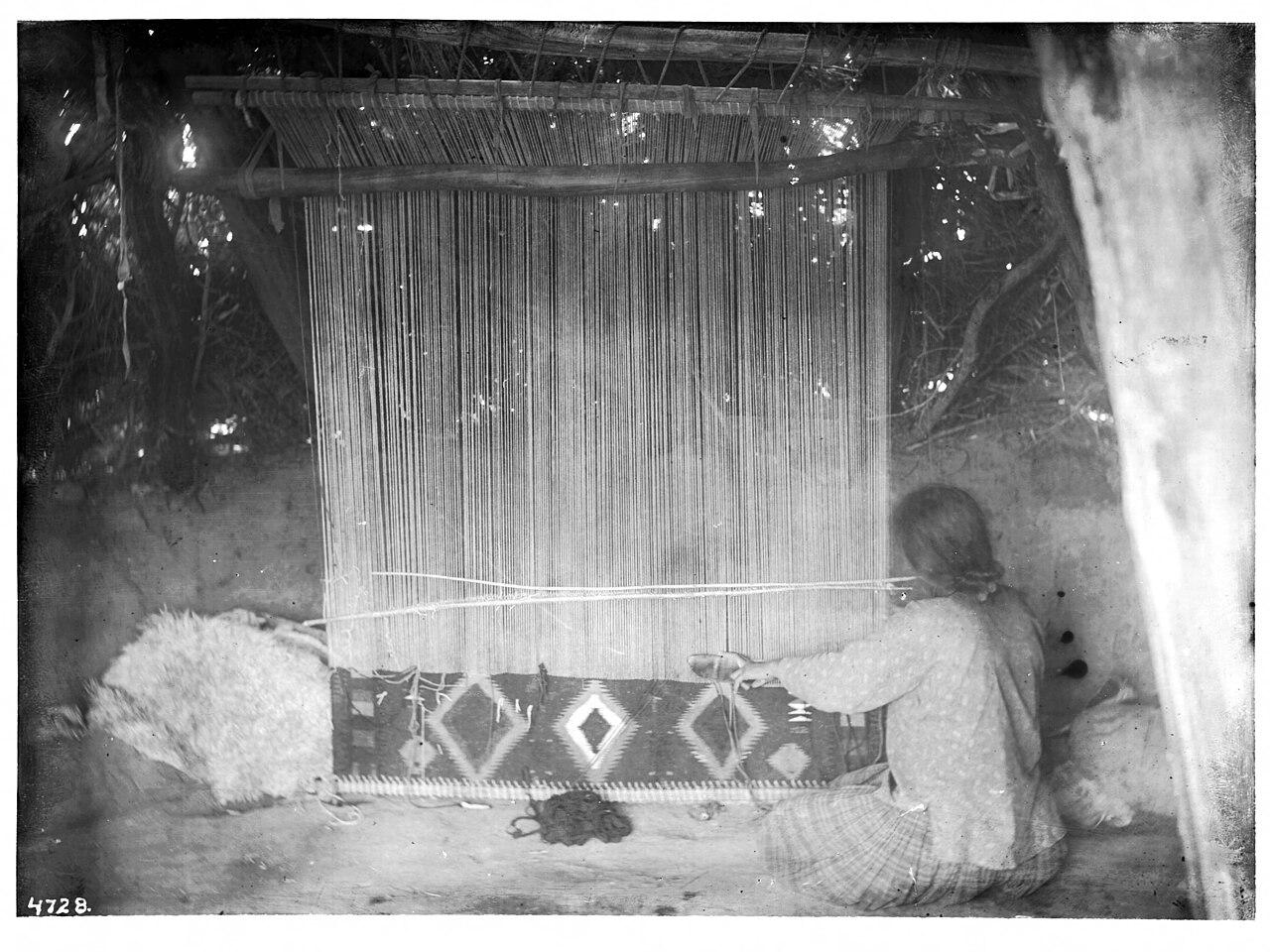
George Wharton James, "Navajo woman at her loom weaving a blanket," c. 1900. California Historical Society Collection, USC Digital Library (CHS-4728). Public domain. - Material Culture
Bark, Nettle, Feather, and Shell
Eastern Woodlands finger-weaving, the lace of Spiro, and why wampum is not cloth money.
Read the story →
Herb Roe, "Spiro Craig Mound" (2011). Wikimedia Commons, CC BY-SA 3.0. - Tragedy
The Long Walk and the Trading Post
1863 to the 1930s: how conquest, confinement, and federal policy reshaped Diné weaving.
Read the story →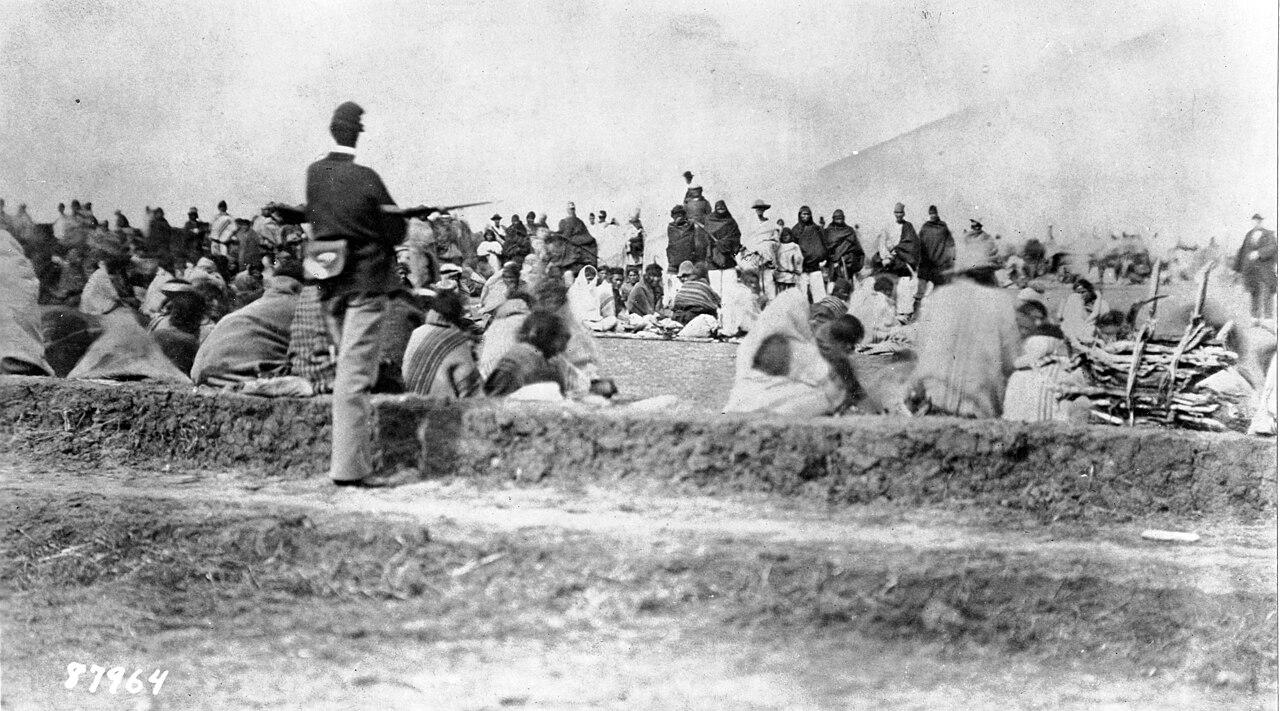
U.S. Army Signal Corps, "Navajo Indian captives under guard, Fort Sumner, New Mexico," c. 1864-1868. Palace of the Governors Photo Archives (NMHM/DCA 028534); U.S. National Archives (NAID 148727588). Public domain. 1600–1760 · The Colonial Hearth
ImpactSheep, Statutes, and Survival
How colonial law conscripted the household into a textile economy.
Read the story →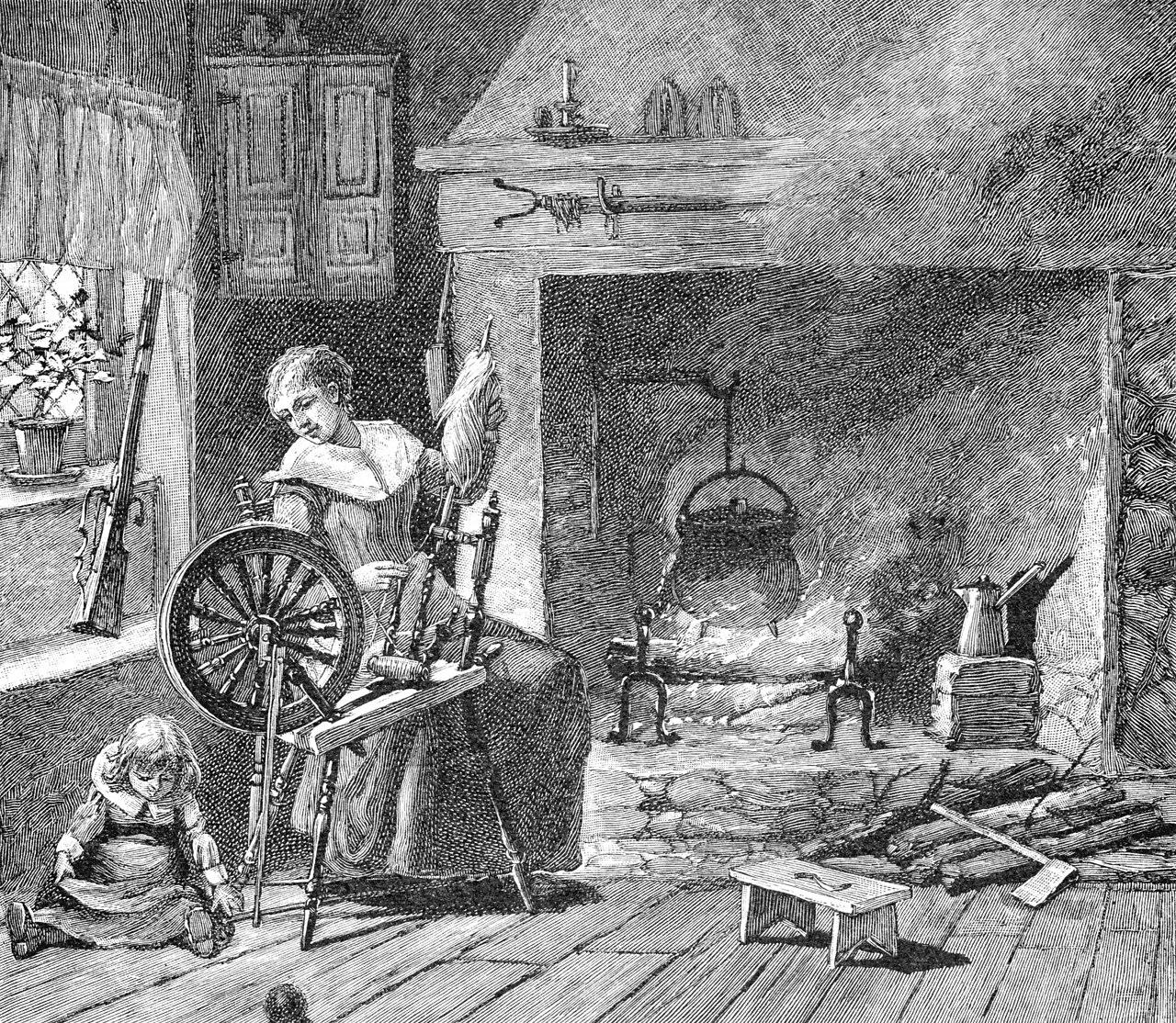
Engraving from Joel Dorman Steele and Esther Baker Steele, "A Brief History of the United States" (1885). Public domain, via Wikimedia Commons. 1760–1789 · The Revolutionary Loom
BiographyThe Hartford Broadcloth
George Washington's inauguration suit as policy statement.
Read the story →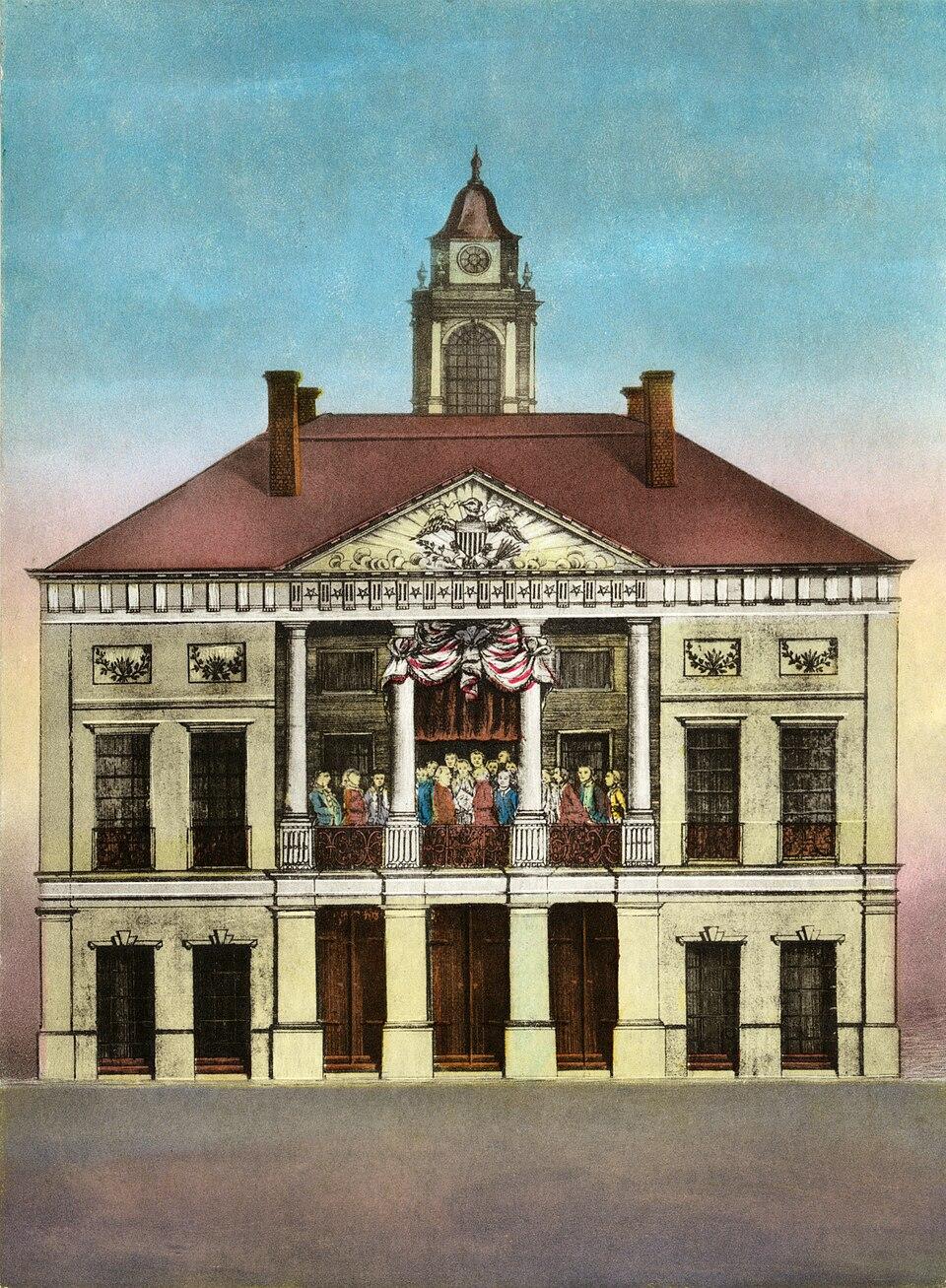
Amos Doolittle, "Federal Hall, N.Y. 1789-First Capitol of the United States," hand-colored engraving, 1790. Library of Congress Prints and Photographs Division (ppmsca.15703). Public domain. 1790–1810 · The Industrial Spy
BiographySlater the Memoryman
How an apprentice carried an empire's secret across an ocean in his head—and what he needed help to rebuild.
Read the story →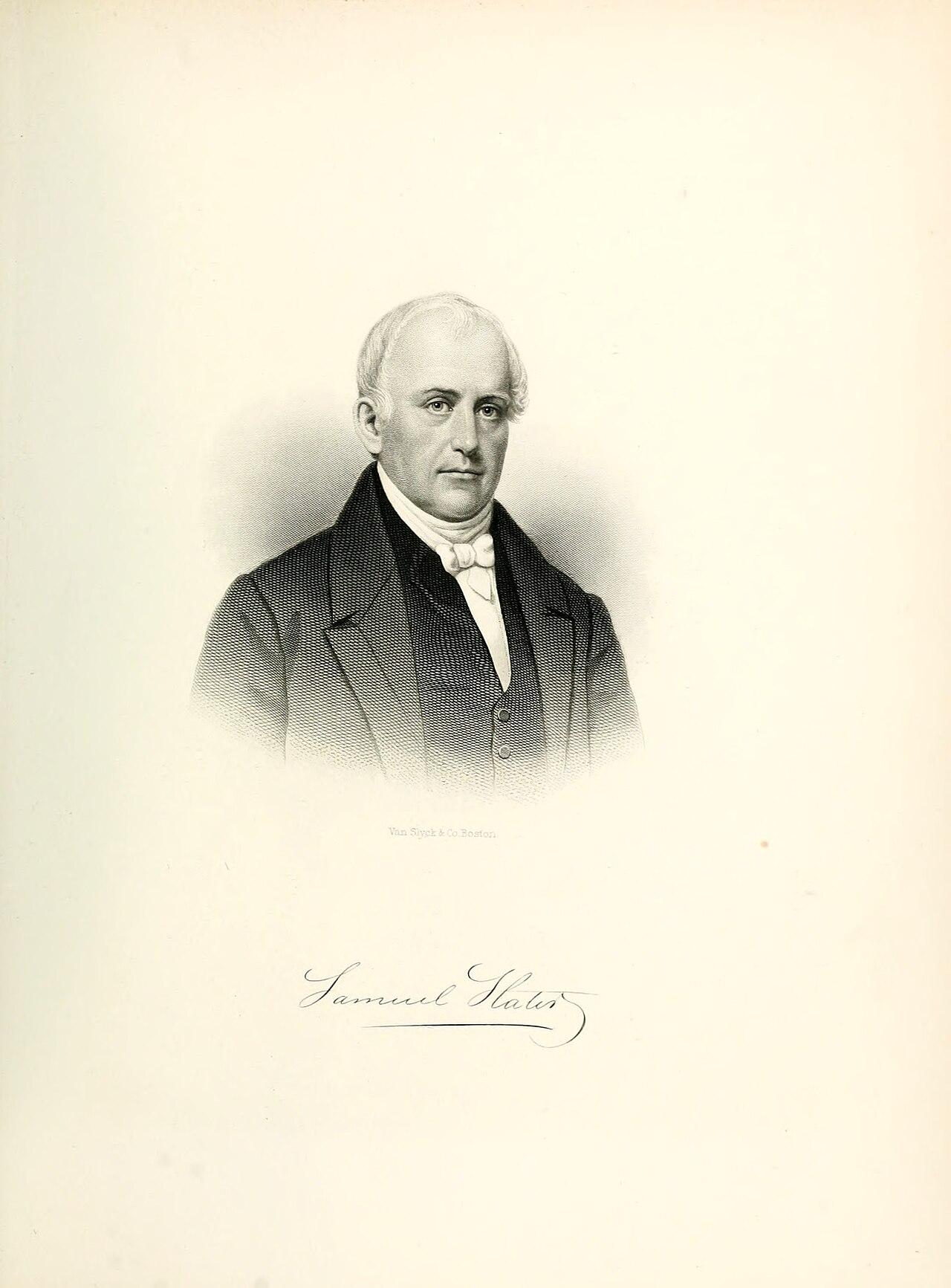
Engraved portrait of Samuel Slater from "The Biographical Cyclopedia of Representative Men of Rhode Island" (Providence: National Biographical Publishing Co., 1881). Internet Archive, via Wikimedia Commons. Public domain. - Biography
Moses Brown: The Quaker Capitalist
The abolitionist financier whose family fortune was tangled with slavery.
Read the story →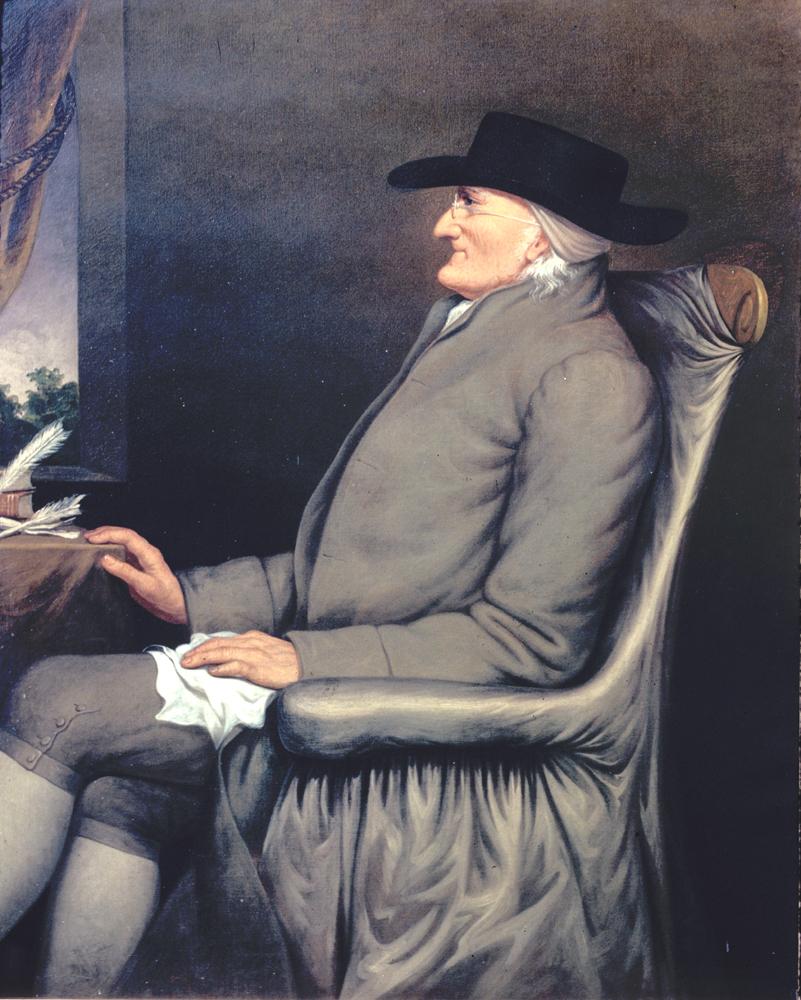
Martin Johnson Heade, "Moses Brown," oil on canvas, 1857 (posthumous). Brown University Portrait Collection. Public domain. 1793–1850 · The Cotton Kingdom
TragedyThe Second Middle Passage
The forced migration that built the Cotton Kingdom.
Read the story →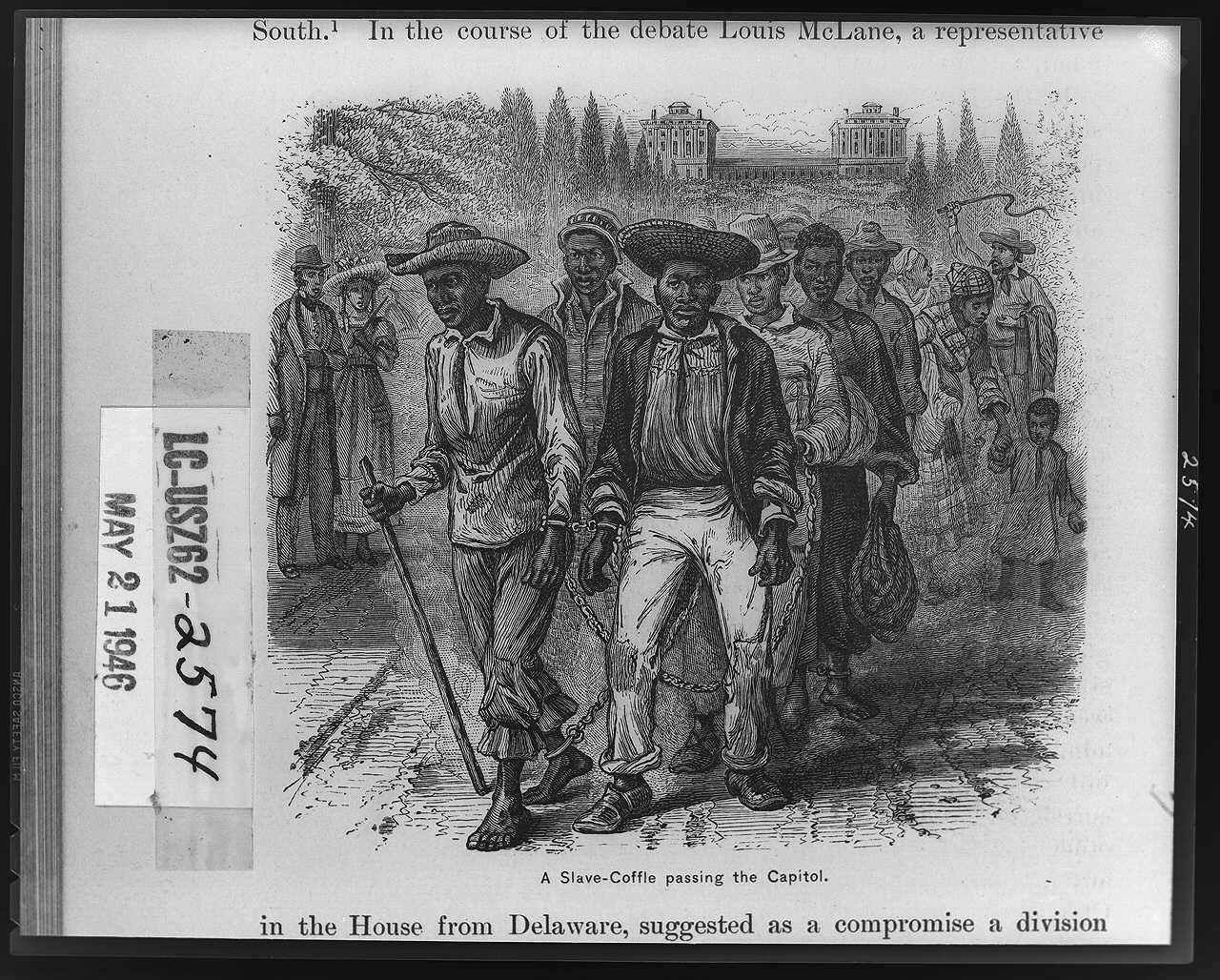
"A slave-coffle passing the Capitol," wood engraving, 1876. Library of Congress Prints and Photographs Division (LCCN 98510280). Public domain. - Tragedy
The Hands That Picked
The enslaved people who grew the cotton, as named individuals and as the largest financial asset in the American economy.
Read the story →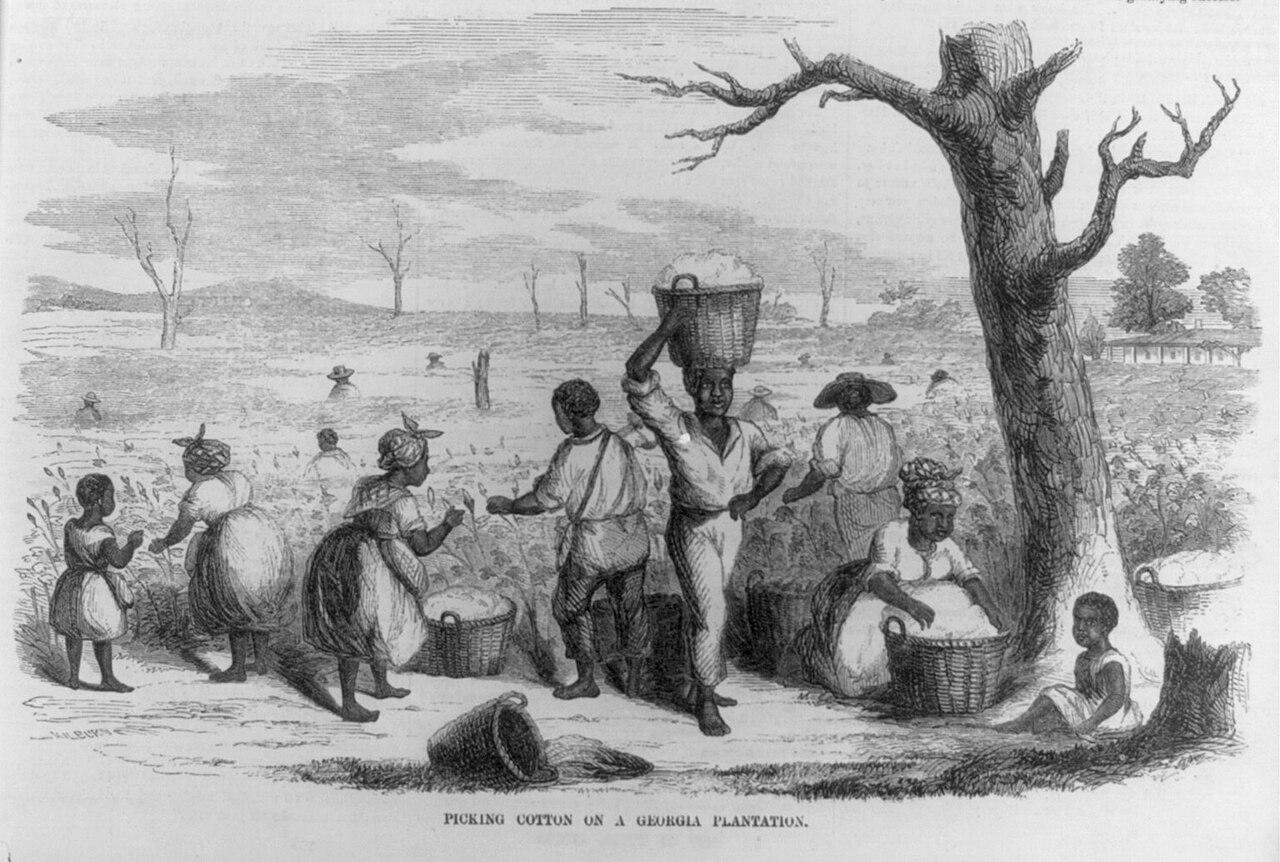
"Picking cotton on a Georgia plantation," wood engraving, 1858. Library of Congress Prints and Photographs Division (LCCN 2002698525). Public domain. 1920–1930 · The Electric Loom
ImpactThe Great Piedmont Migration
How electricity and cheap labor moved an industry south.
Read the story →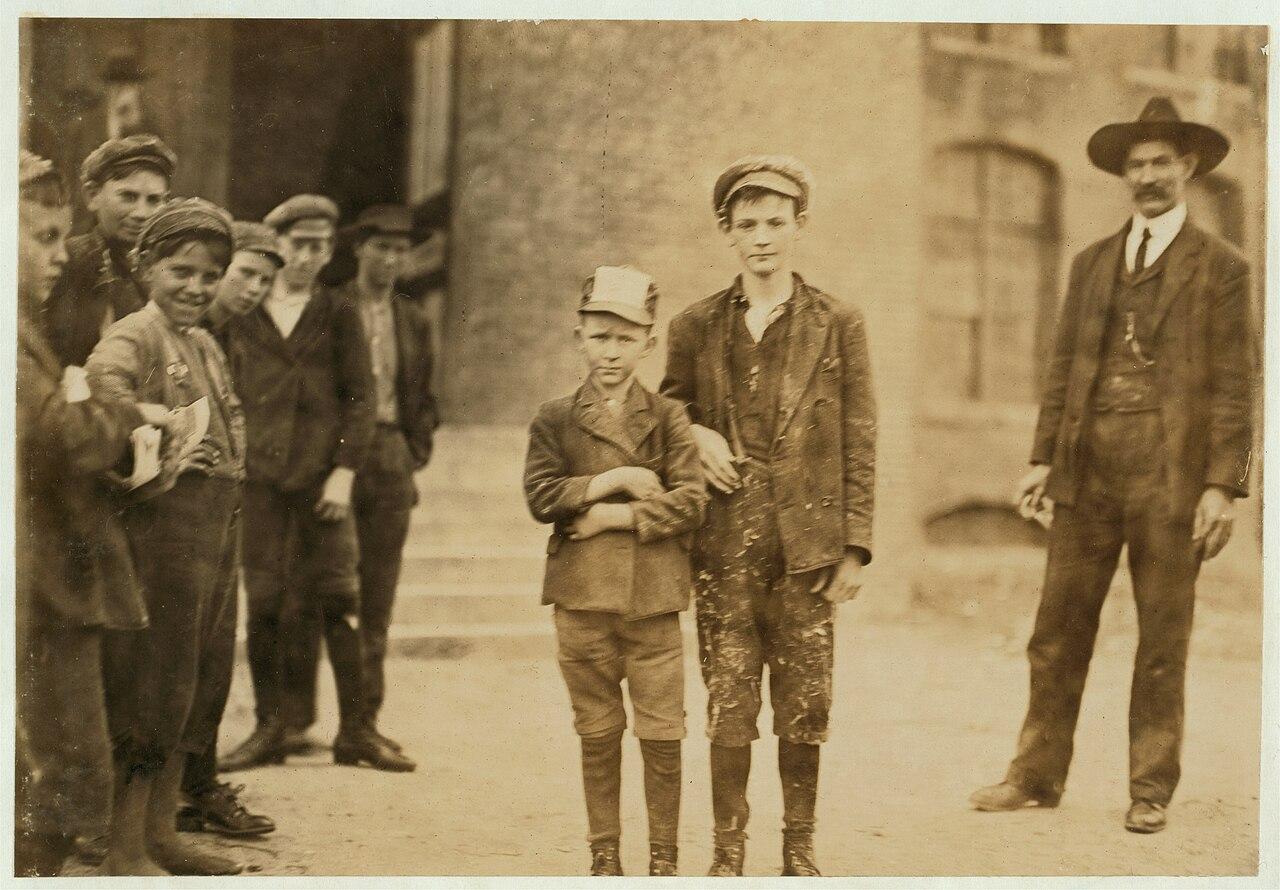
Lewis Wickes Hine, "Closing hour Loray Mill, Gastonia, N.C. November 7, 1908." Library of Congress, National Child Labor Committee Collection (nclc.01352). Public domain. 1950–1980 · The Polyester Dream
Material CultureThe Leisure Suit Phenomenon
How polyester became the most-mocked fabric in American fashion.
Read the story →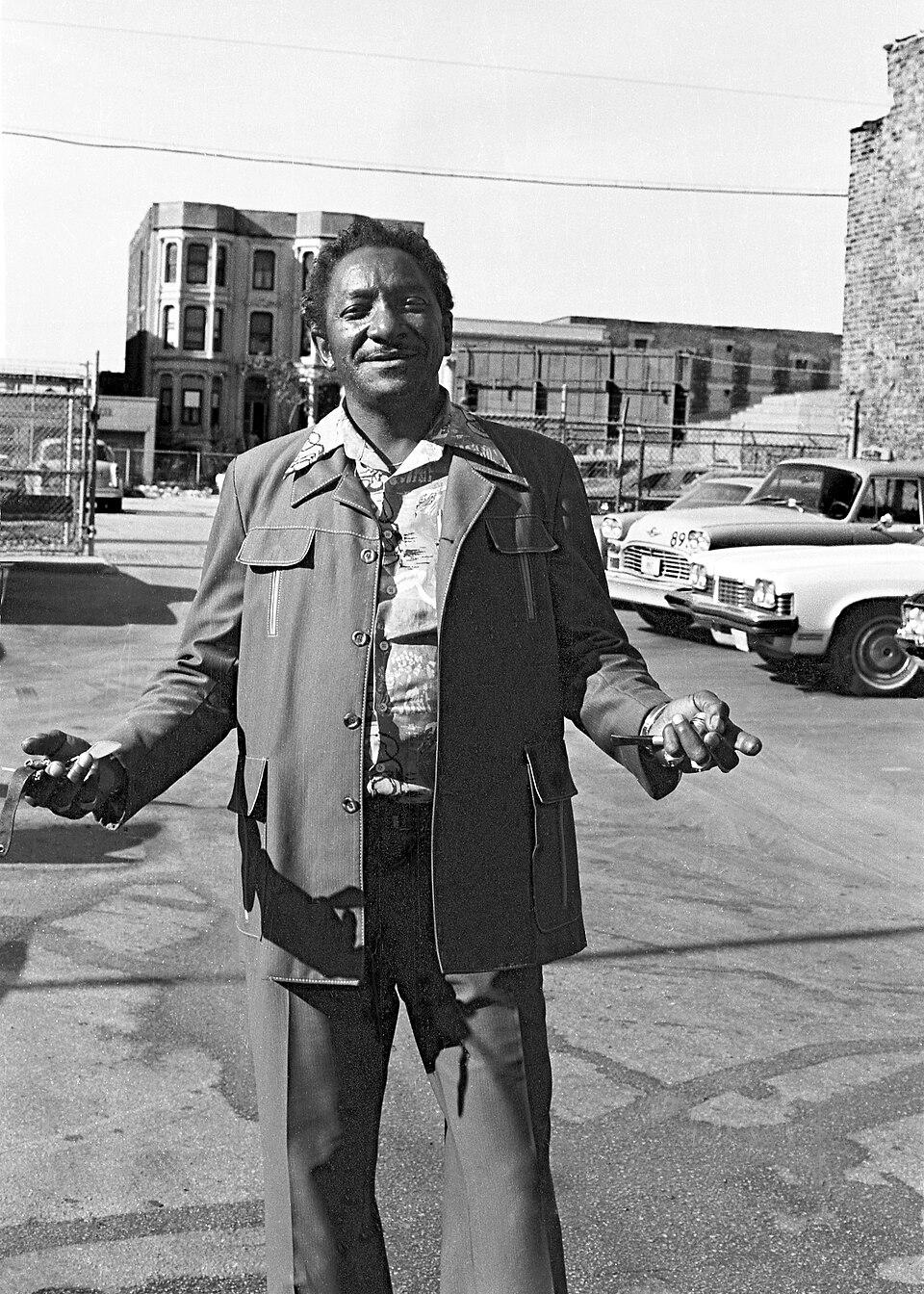
Downtowngal, "Man in leisure suit in parking lot, Chicago" (November 7, 1978). Wikimedia Commons, CC BY-SA 4.0. 1980–2000 · The Branded Empire
Material CultureCalvin Klein and the Birth of Designer Denim
How a Bronx-born designer made workwear a status symbol.
Read the story →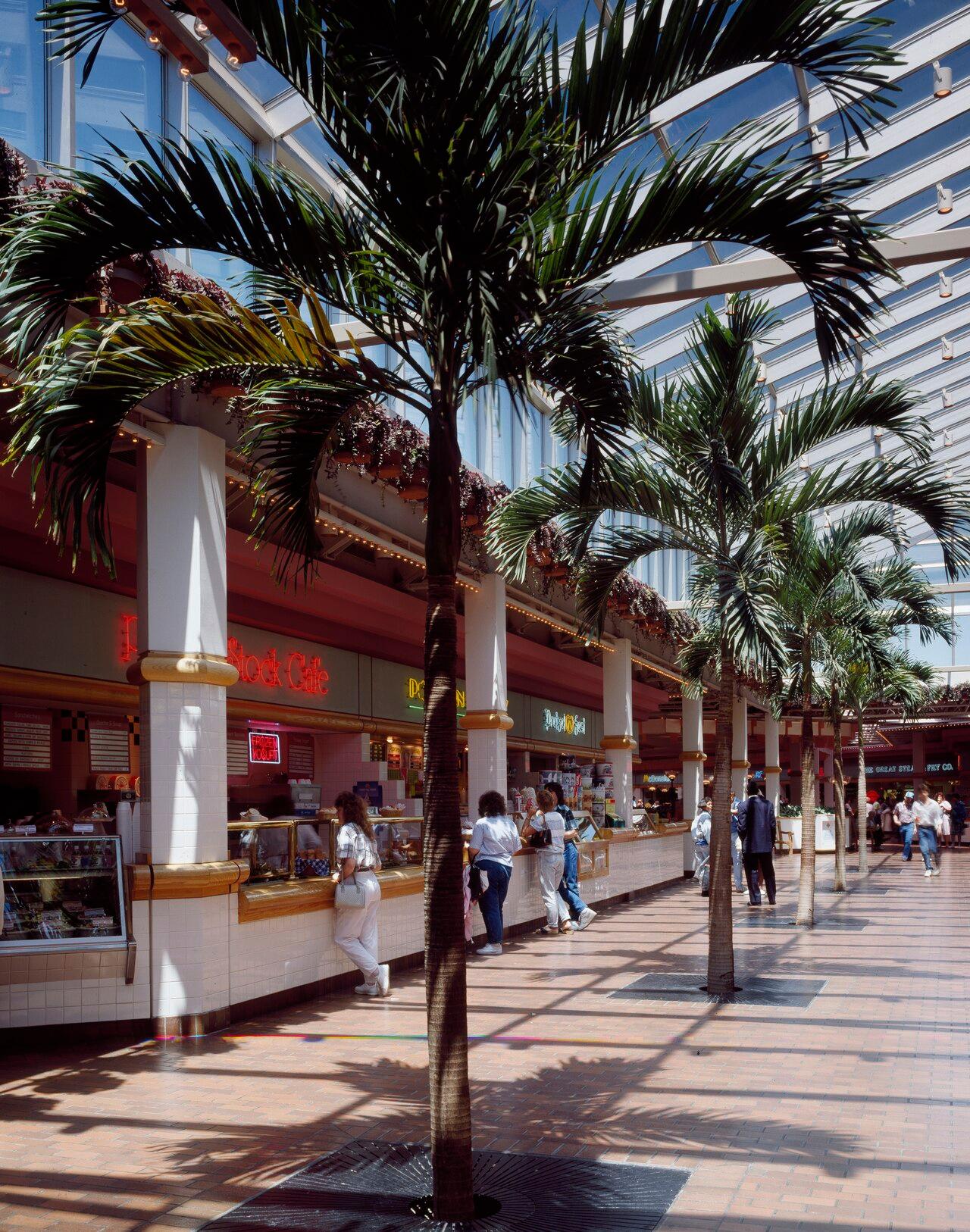
Carol M. Highsmith, "Indoor shopping mall," between 1980 and 1990. Carol M. Highsmith Archive, Library of Congress Prints and Photographs Division (LCCN 2011635987). Public domain. - Biography
Air Jordan and the Sneaker Economy
How a basketball shoe became a foundation of modern brand culture.
Read the story →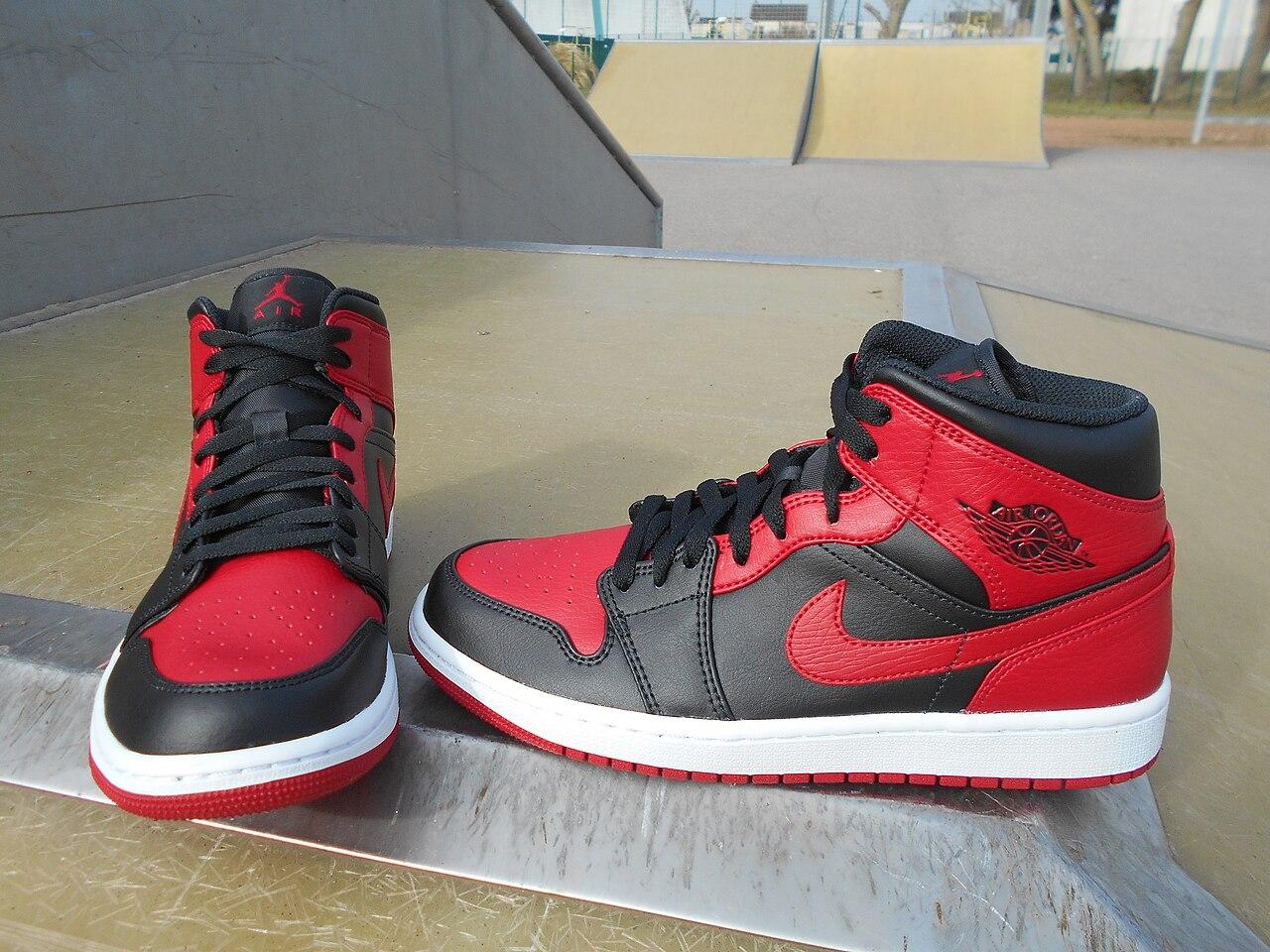
HI 622, "Air Jordan 1 Banned" (2021). Wikimedia Commons, CC BY-SA 4.0. - Impact
Hip-Hop and the Logo
How a culture that brands did not market to redefined their reach.
Read the story →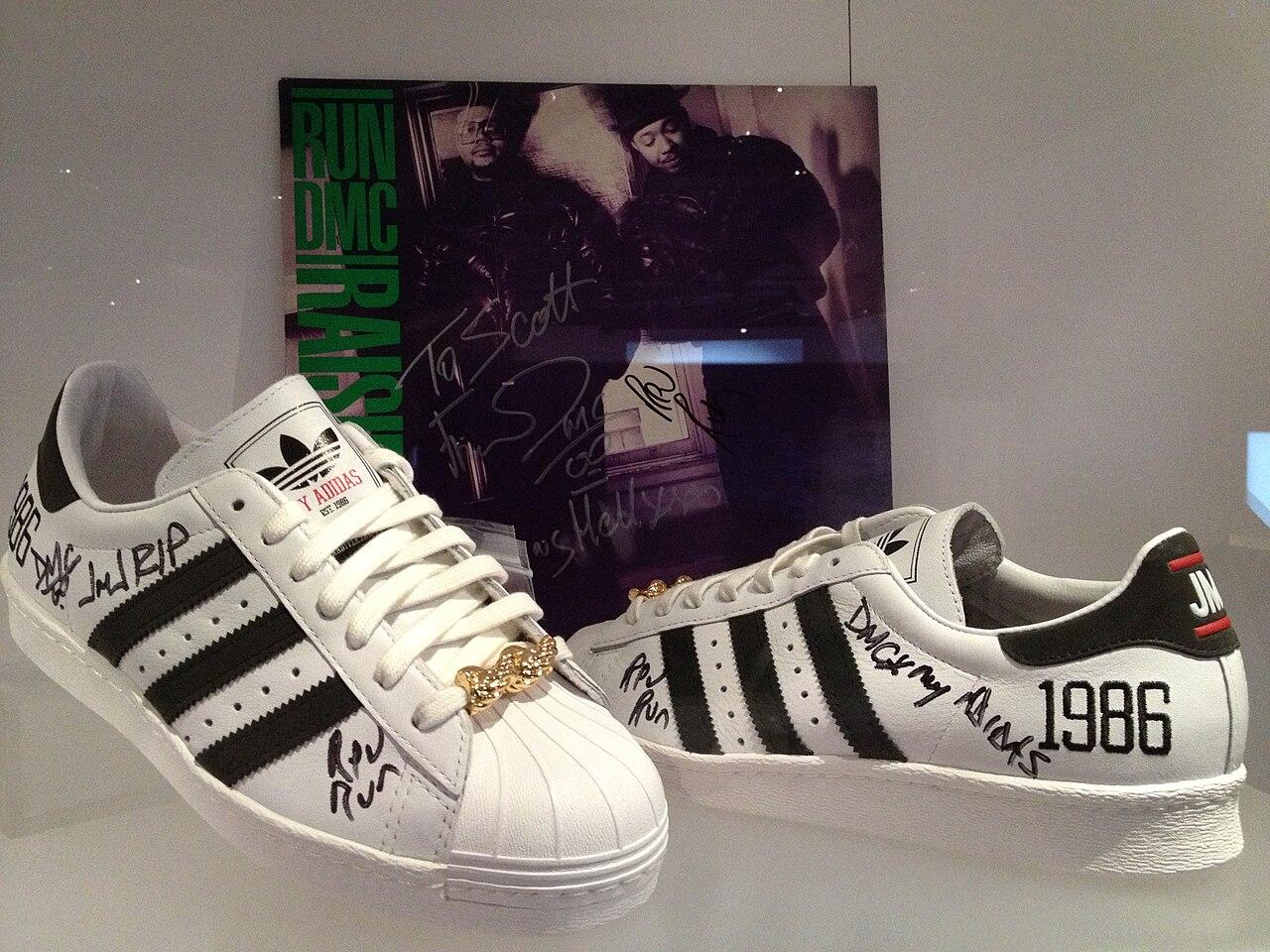
rrafson, "Run DMC Adidas," Bata Shoe Museum, Toronto (2013). Wikimedia Commons, CC BY-SA 3.0. 1980–2005 · The Great De-Industrialization
ImpactThe Kannapolis Collapse
When the world's best-known towel company closed in a single day.
Read the story →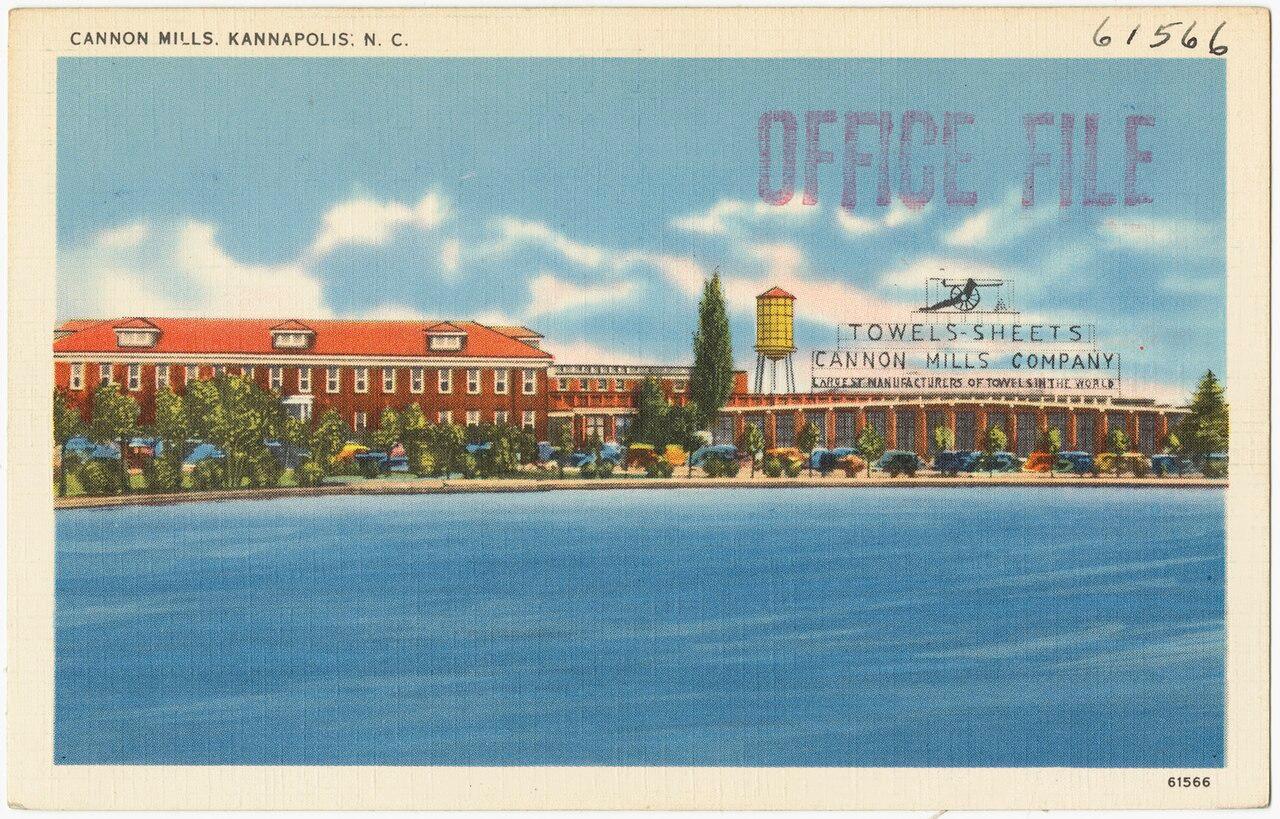
Tichnor Bros. for Dixie News Company, "Cannon Mills, Kannapolis, N.C.," postcard, c. 1930-1945. Boston Public Library, Tichnor Brothers Collection. Flickr, CC BY 2.0. - Impact
The End of the Quotas
The night the quotas died.
Read the story →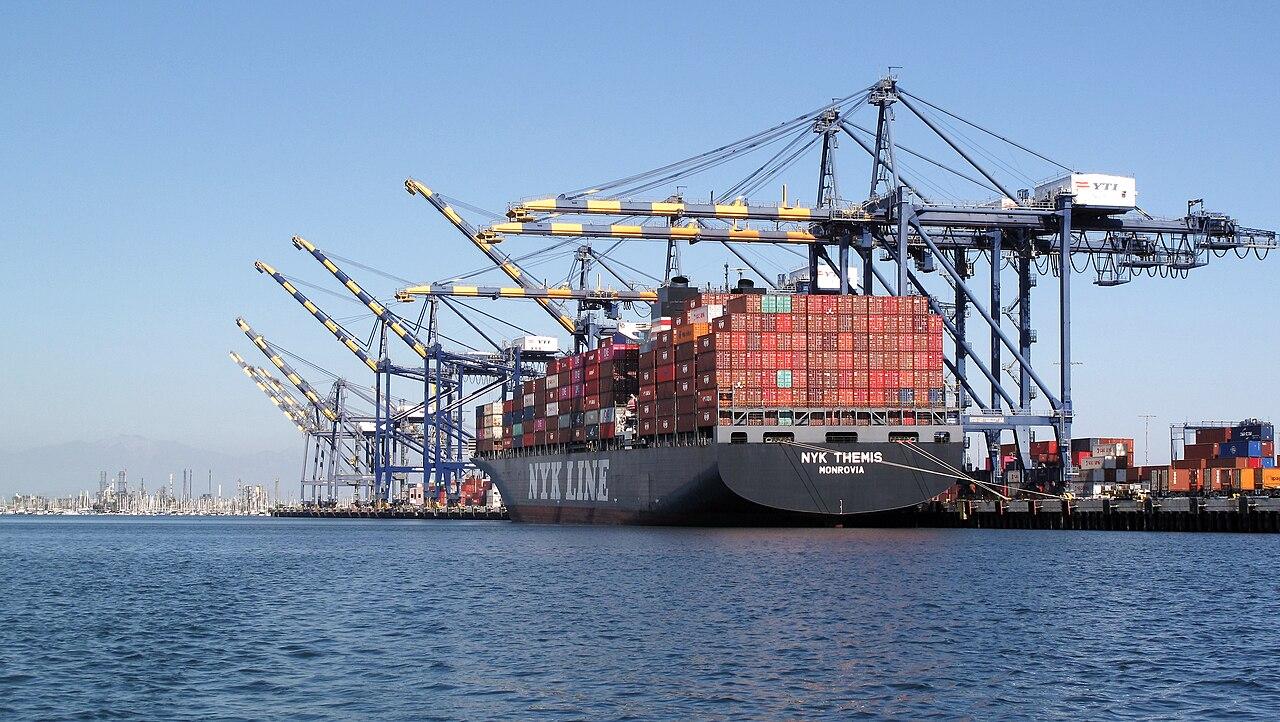
Downtowngal, "Container ship NYK Themis at the Port of Los Angeles" (2021). Wikimedia Commons, CC BY-SA 4.0. 2010–2020 · The Reshoring Frontier
InnovationThe Automated Factory
Robotics, digital knitting, and the limits of the 'factory of the future.'
Read the story →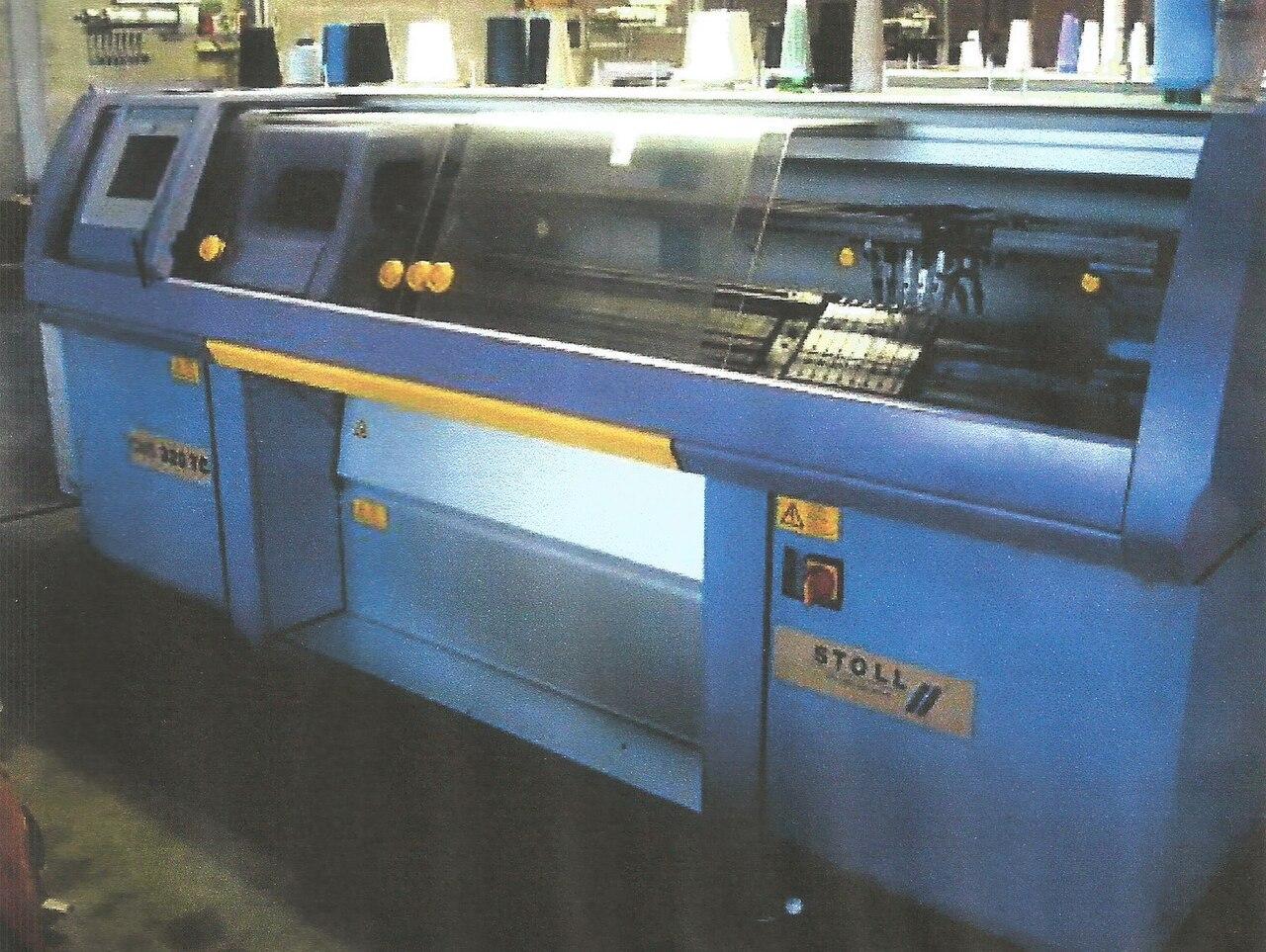
Elkágyé, "Contemporary flat knitting machine" (2018). Wikimedia Commons, CC BY-SA 4.0. - Biography
The Direct-to-Consumer Revolution
How the internet opened a niche for small American-made apparel brands.
Read the story →Elkágyé, "Contemporary flat knitting machine" (2018). Wikimedia Commons, CC BY-SA 4.0. - Impact
The PPE Pivot of 2020
What was left of the U.S. textile base, in a crisis.
Read the story →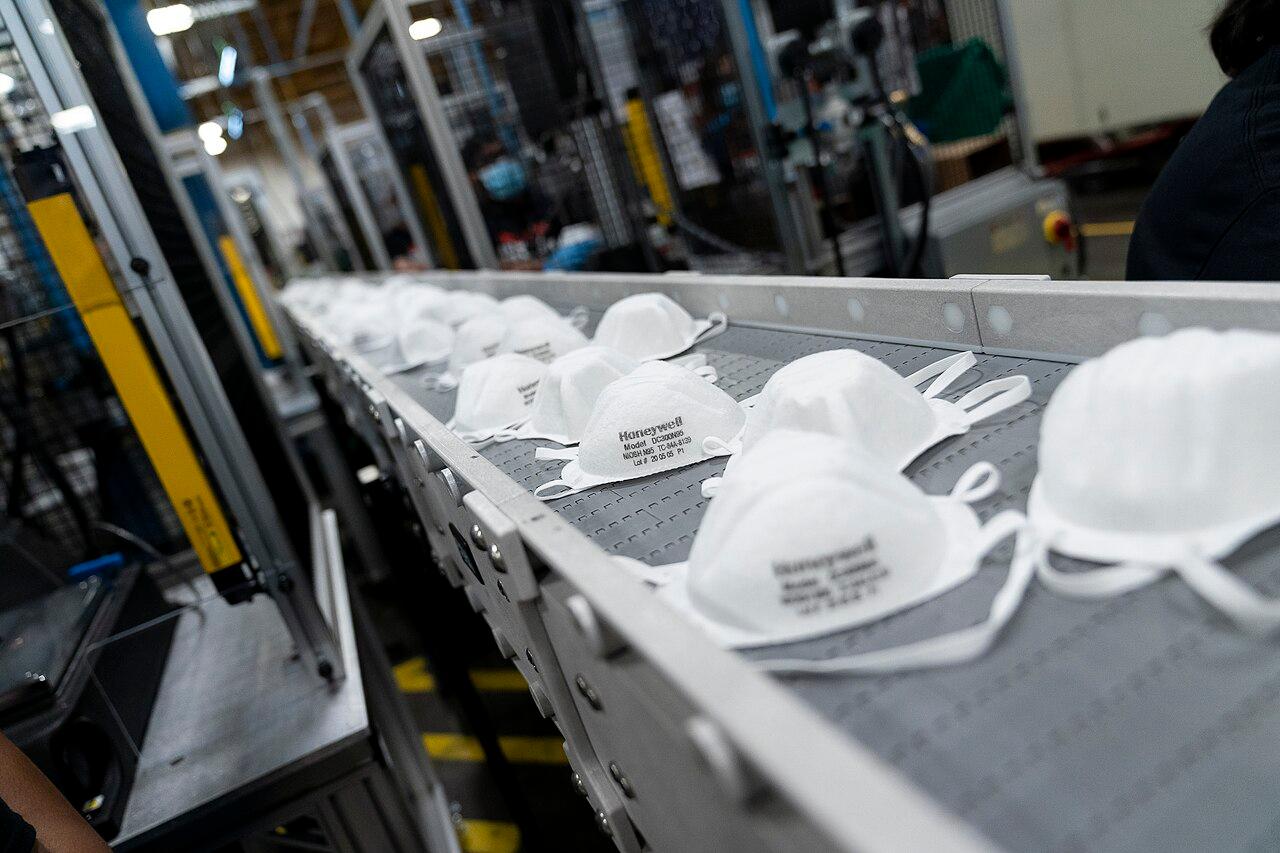
Shealah Craighead, Official White House Photo, Honeywell International Inc. mask production line, Phoenix, Arizona, May 5, 2020. Public domain (U.S. government work). 2020–Present · The Circular Reckoning
TragedyThe Shein Reckoning
Inside the platform that adds thousands of new styles a day.
Read the story →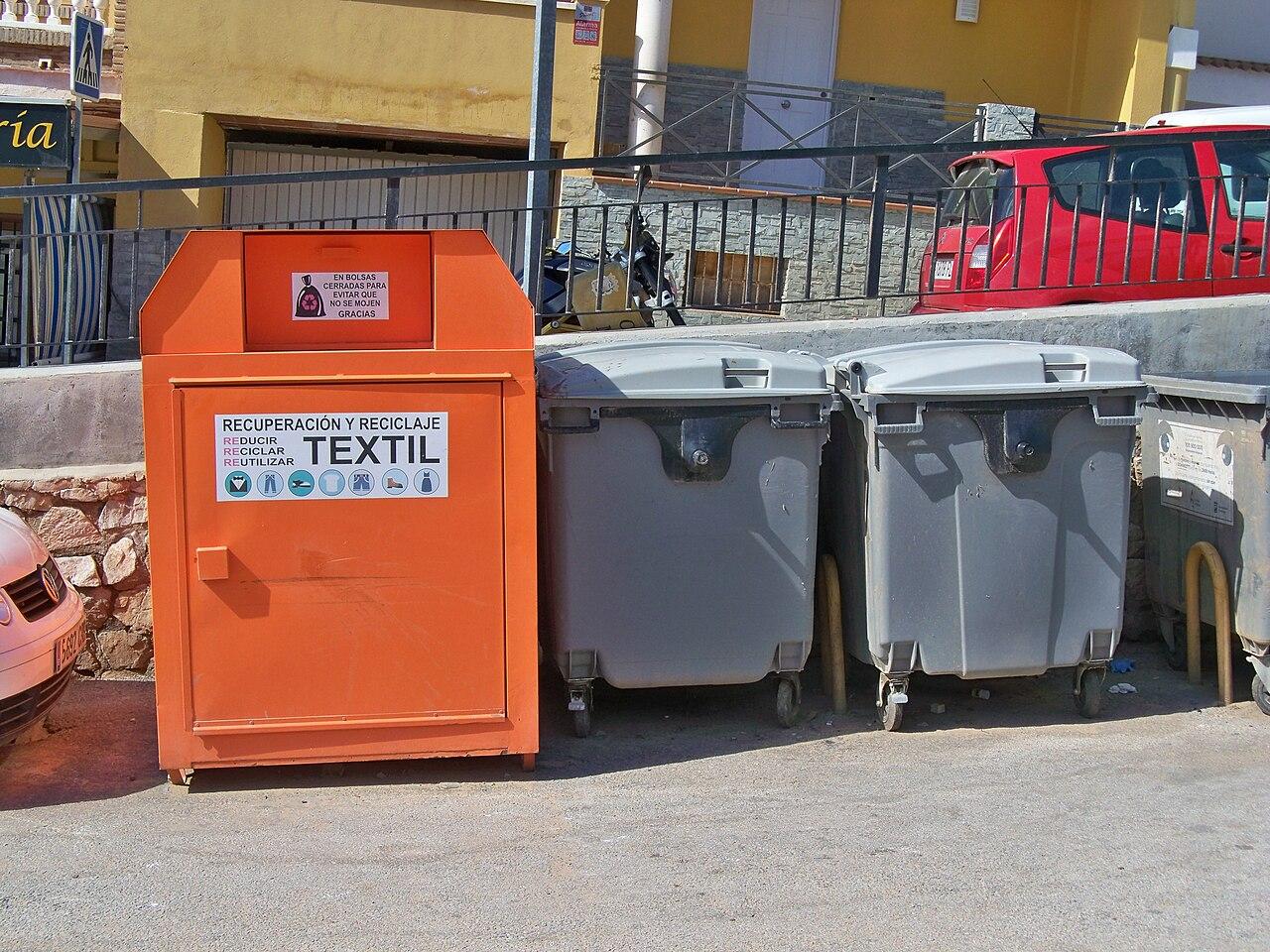
Daniel Capilla, "Textile Recycling Container and Waste Containers," Málaga, Spain (2022). Wikimedia Commons, CC BY-SA 4.0. - Tragedy
Rana Plaza
The 2013 factory collapse in Bangladesh that exposed the hidden supply chains of American brands.
Read the story →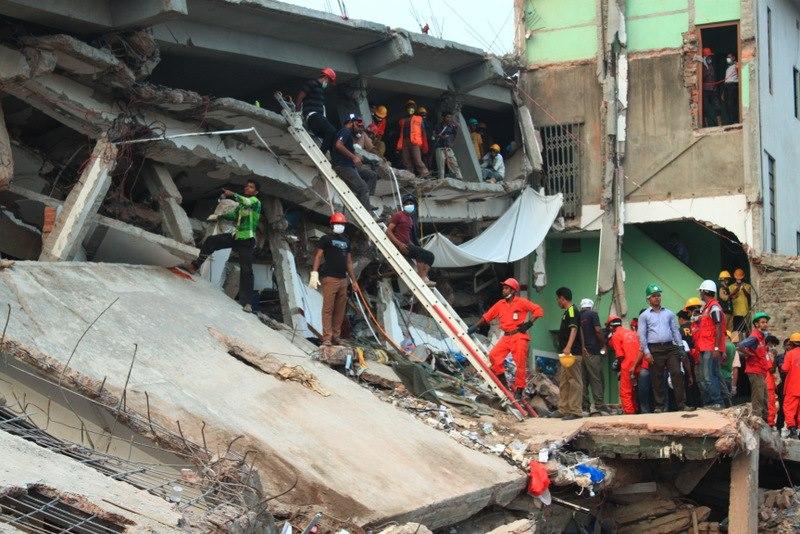
Sharat Chowdhury, "2013 Savar building collapse," April 27, 2013. Wikimedia Commons, CC BY 2.5.
Other threads
- Labor & OrganizingWho did the work, and what did it take for them to be heard?
- Slavery & RaceHow did race shape who grew the fiber, who ran the mills, and who was kept out?
- Women at WorkWhy was the textile industry so often built on the labor of women and girls?
- ImmigrationHow did the mills remake who Americans were?
- ChildhoodWhat did it mean to grow up in a mill?
- Machines & MaterialsDid new technology free workers or bind them more tightly?
- Health & SafetyWhat did it cost in lives before workplaces were made safe?
- Law & PolicyHow did government decide whose side to take?
- Land & EnvironmentWhat did the industry take from the land and water?