Material Culture · Chapter 06, 1820–1845
Boarding House Life
Corporate supervision of the worker's whole life.
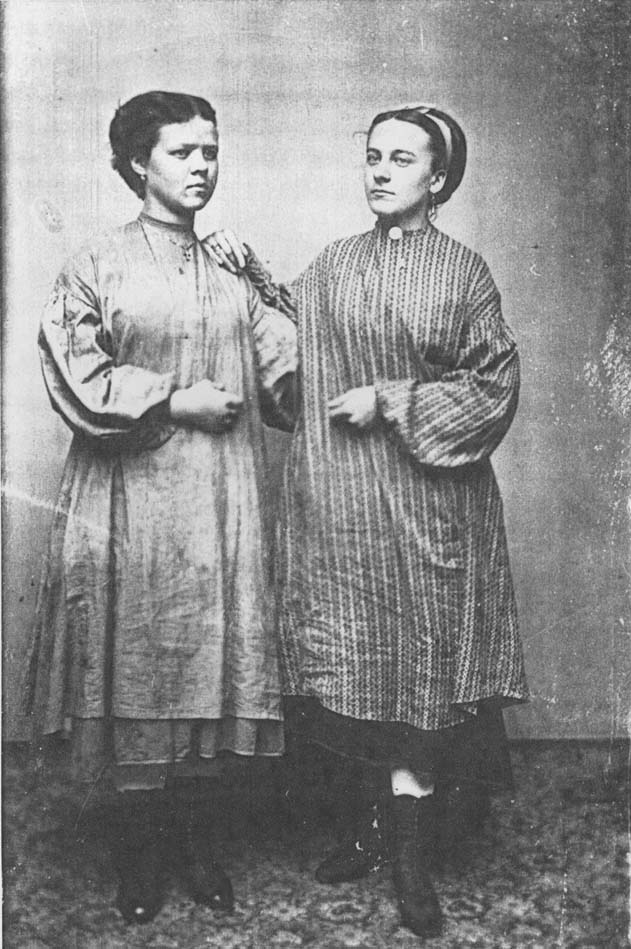
Mill girls were generally required to live in company-owned boarding houses, run by keepers who enforced a ten o'clock curfew, regular church attendance, and strict standards of conduct; a woman judged guilty of 'improper conduct' could be dismissed and her name circulated to the other corporations. This 'corporate paternalism' was designed to reassure rural Protestant families that their daughters would emerge from factory work morally intact. The boarding houses were also places of friendship, reading circles, and shared politics—the networks through which women organized their turn-outs. The arrangement was simultaneously refuge and surveillance, a model of company-town control that would echo through Pullman, Hershey, and the twentieth-century mill village.
Sources
- Government recordThe Mill Girls of Lowell. National Park Service, Lowell National Historical Park.
- Government recordLowell Handbook: Mill Girls. National Park Service.
- ScholarshipThomas Dublin. Women at Work: The Transformation of Work and Community in Lowell, Massachusetts, 1826–1860. Columbia University Press, 1979.