A thread through time
Law & Policy
How did government decide whose side to take?
Tariffs, embargoes, the New Deal, the Civil Rights Act, OSHA, NAFTA: the textile story is also the story of how American law was made.
29 stories across 16 chapters
Before 1600 · Before the Loom
TragedyThe Long Walk and the Trading Post
1863 to the 1930s: how conquest, confinement, and federal policy reshaped Diné weaving.
Read the story →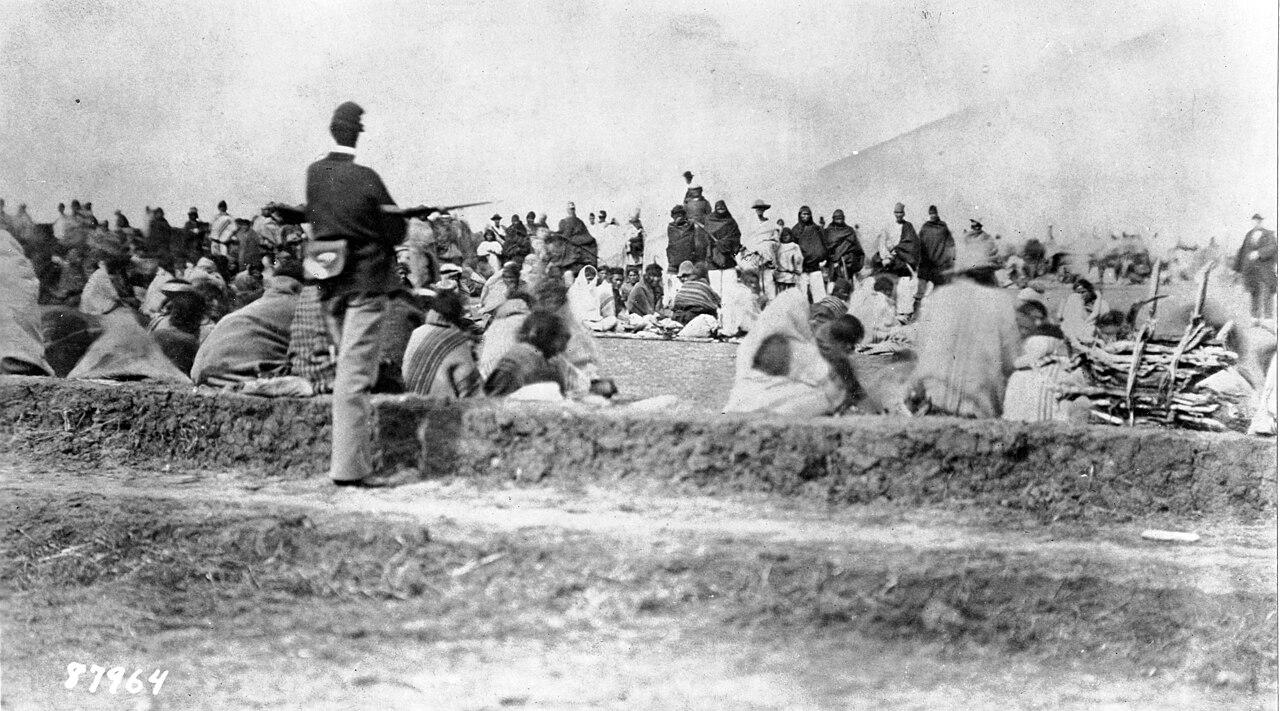
U.S. Army Signal Corps, "Navajo Indian captives under guard, Fort Sumner, New Mexico," c. 1864-1868. Palace of the Governors Photo Archives (NMHM/DCA 028534); U.S. National Archives (NAID 148727588). Public domain. 1600–1760 · The Colonial Hearth
ImpactSheep, Statutes, and Survival
How colonial law conscripted the household into a textile economy.
Read the story →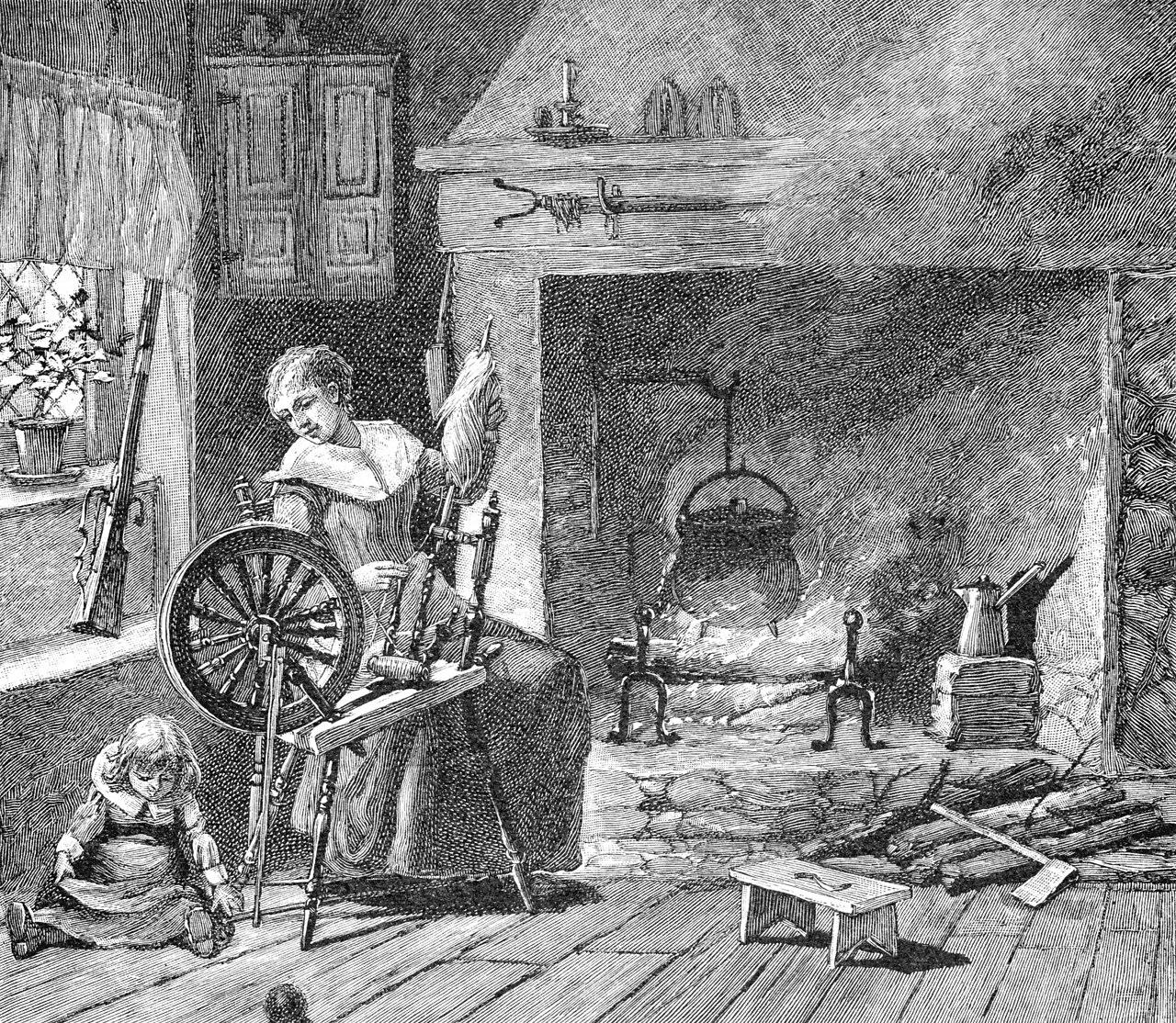
Engraving from Joel Dorman Steele and Esther Baker Steele, "A Brief History of the United States" (1885). Public domain, via Wikimedia Commons. 1760–1789 · The Revolutionary Loom
LaborThe Daughters of Liberty
Women as the economic engine of colonial resistance.
Read the story →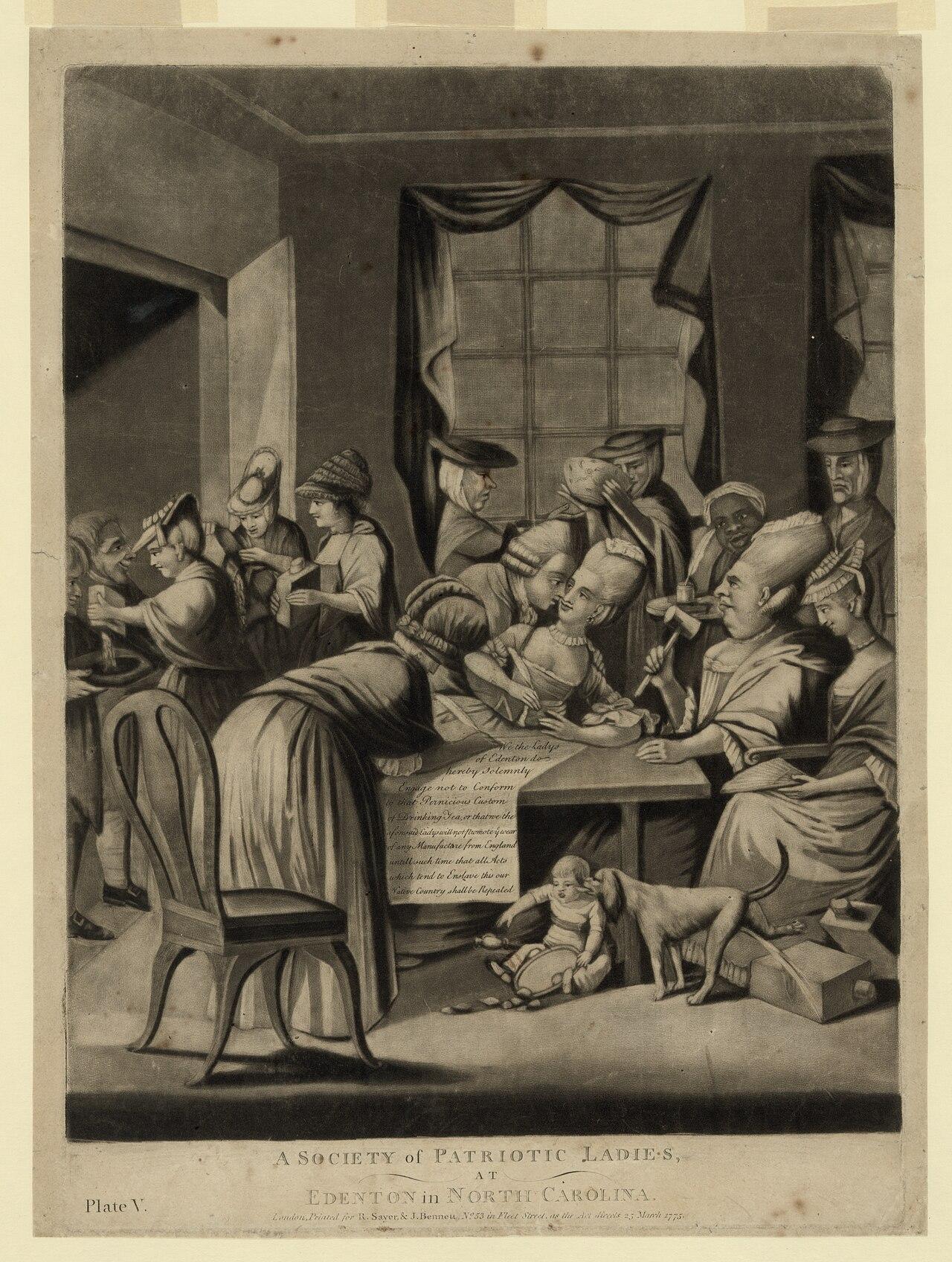
Attributed to Philip Dawe, "A Society of Patriotic Ladies, at Edenton in North Carolina," mezzotint published by R. Sayer and J. Bennett, London, March 25, 1775. Library of Congress Prints and Photographs Division. Public domain. - Material Culture
The Spinning Bee as Political Theater
A domestic chore staged as a public act.
Read the story →Attributed to Philip Dawe, "A Society of Patriotic Ladies, at Edenton in North Carolina," mezzotint published by R. Sayer and J. Bennett, London, March 25, 1775. Library of Congress Prints and Photographs Division. Public domain. - Biography
The Hartford Broadcloth
George Washington's inauguration suit as policy statement.
Read the story →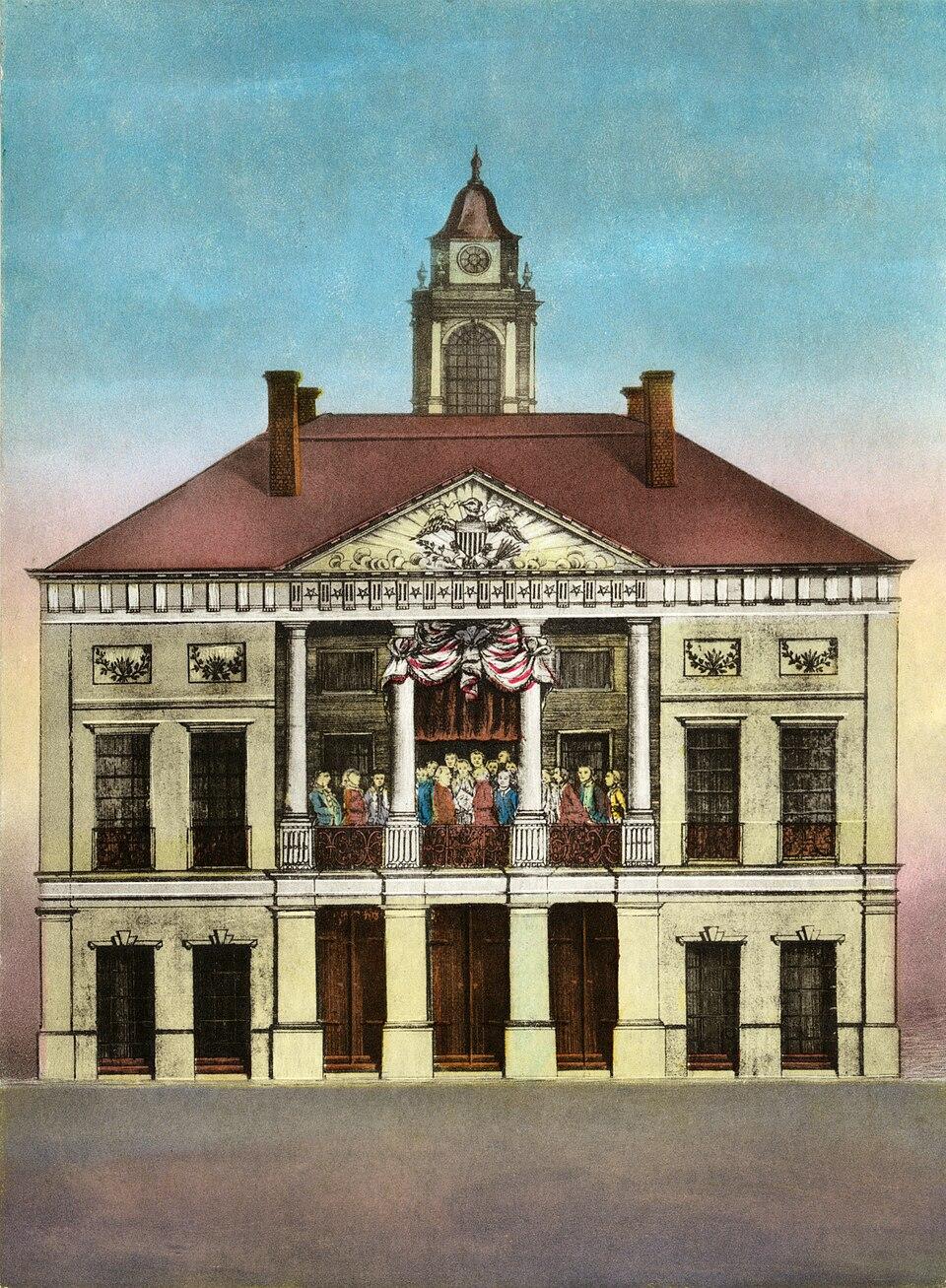
Amos Doolittle, "Federal Hall, N.Y. 1789-First Capitol of the United States," hand-colored engraving, 1790. Library of Congress Prints and Photographs Division (ppmsca.15703). Public domain. 1793–1850 · The Cotton Kingdom
ImpactLords of the Loom, Lords of the Lash
The political alliance between Boston mill owners and Southern planters.
Read the story →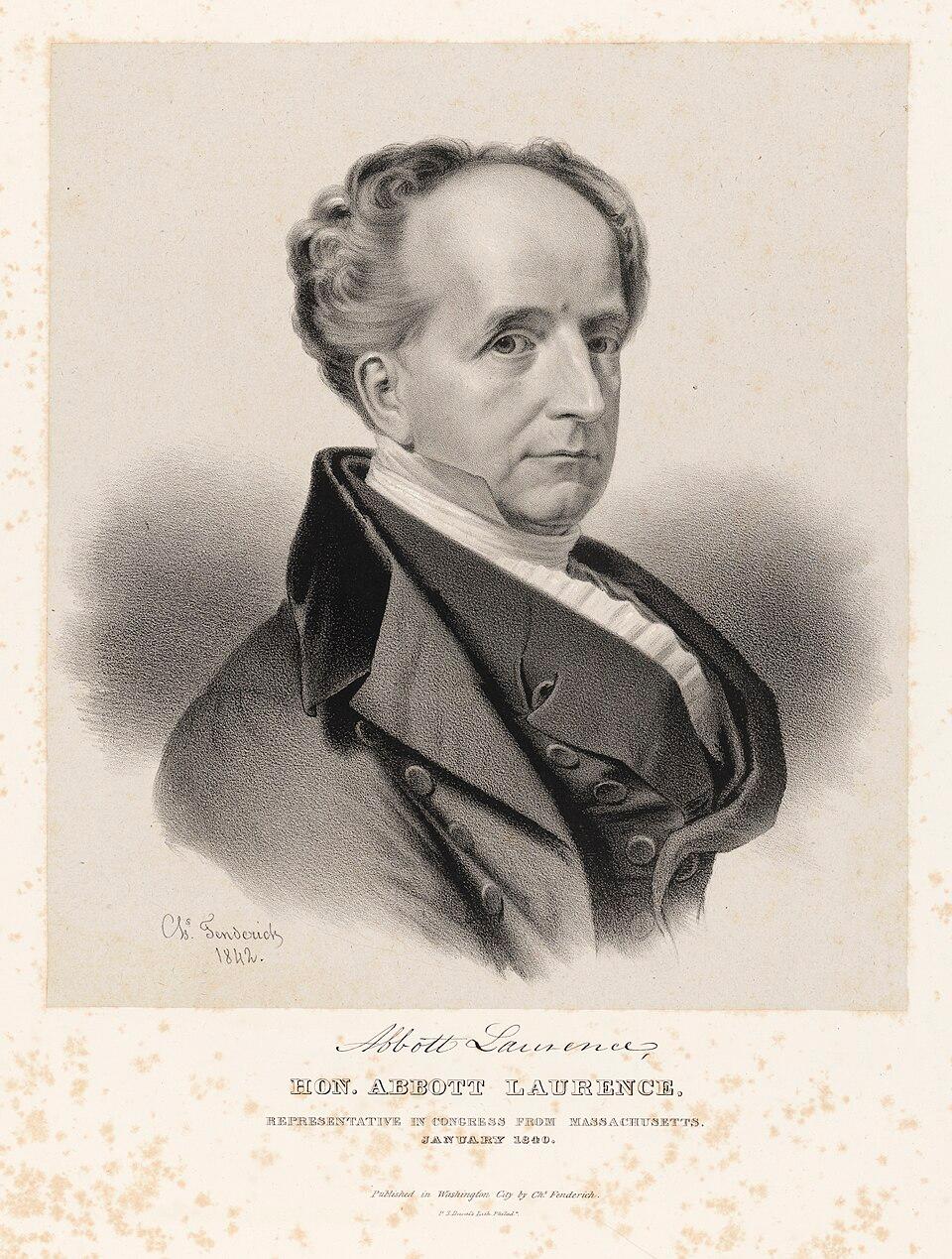
Charles Fenderich, "Abbott Lawrence," lithograph, 1844. National Portrait Gallery, Smithsonian Institution (NPG.66.88). CC0. - Biography
Eli Whitney's Patent Trap
The inventor of the gin made little from it.
Read the story →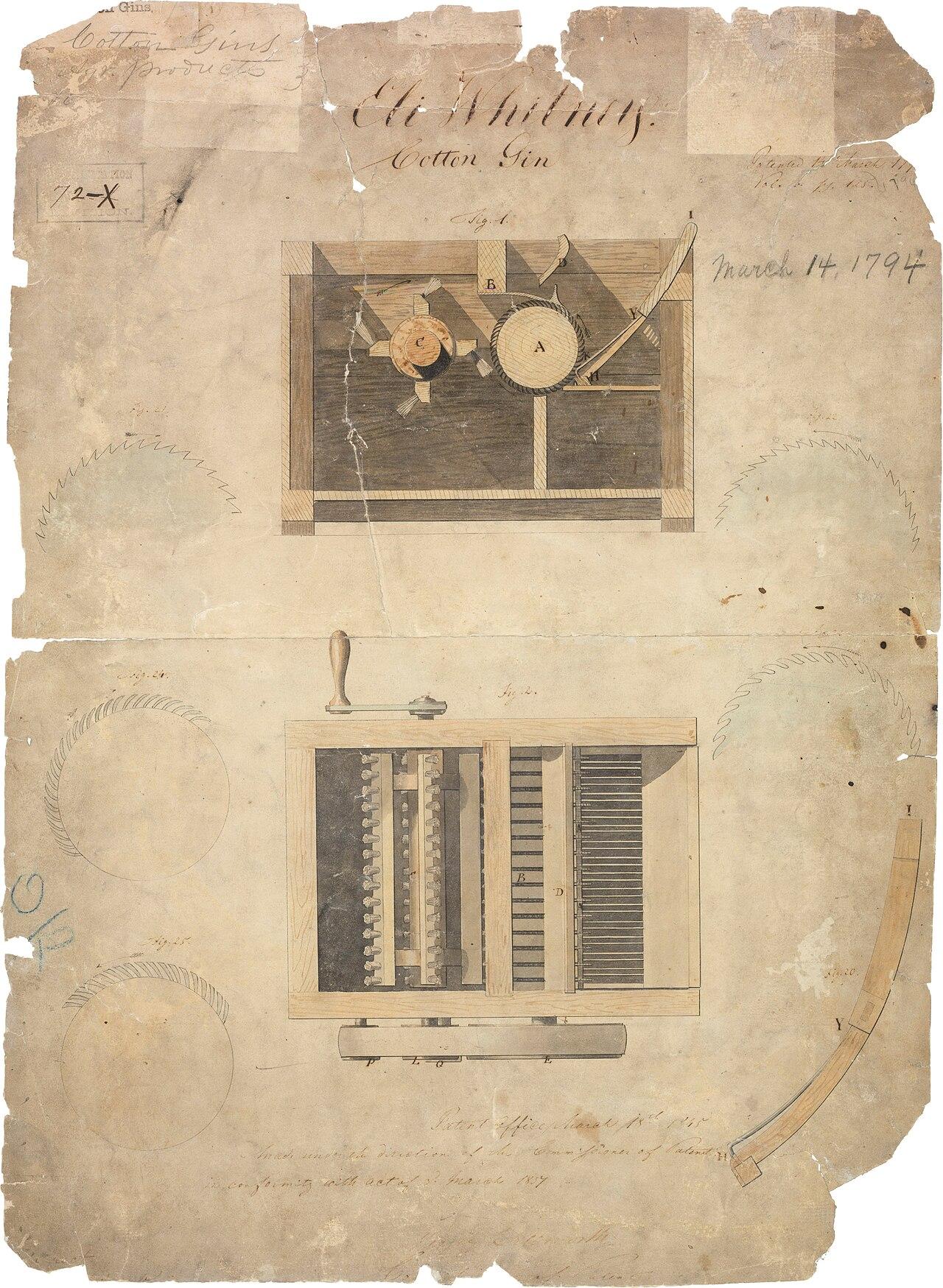
Eli Whitney, patent drawing for the cotton gin, March 14, 1794. Records of the Patent and Trademark Office (Record Group 241), U.S. National Archives. Public domain. 1820–1845 · The Lowell Mill Girls
BiographySarah Bagley: A Labor Voice in Print
A weaver who became the public voice of industrial reform.
Read the story →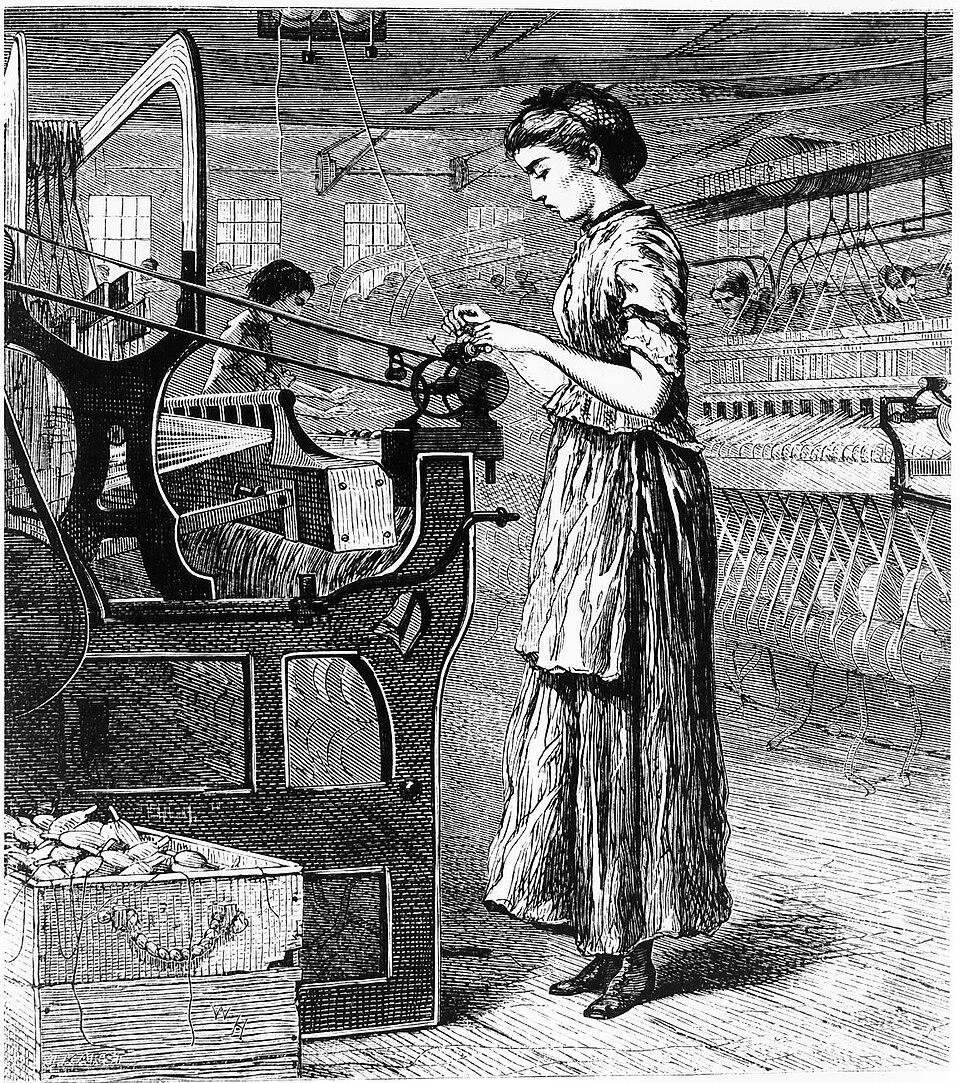
After Winslow Homer, "The Bobbin Girl," wood engraving, c. 1871. National Park Service (NPGallery). Public domain. 1846–1860 · The Sewing Revolution
InnovationThe Sewing Machine Combination
The first patent pool in U.S. history, born of years of lawsuits.
Read the story →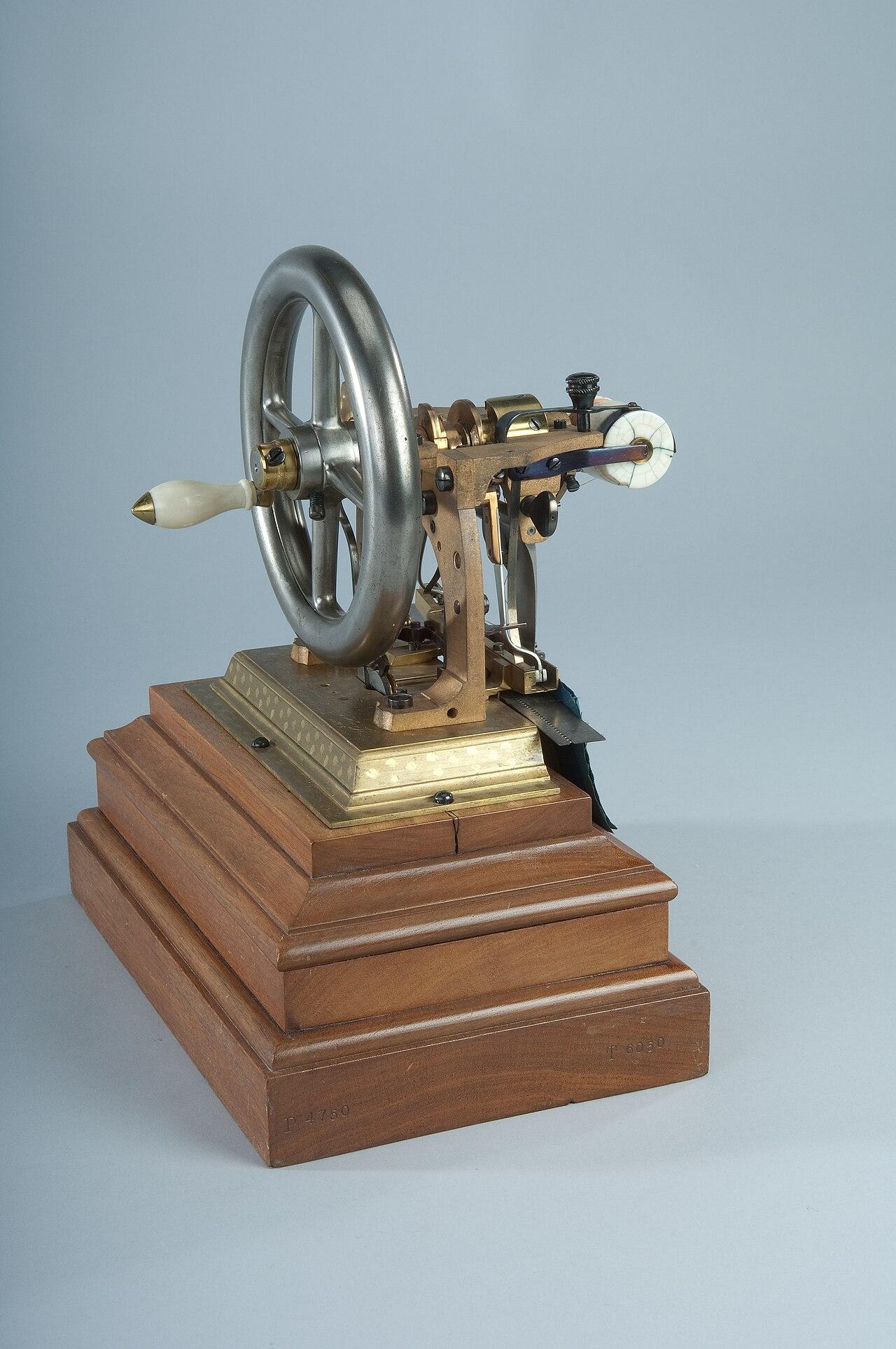
Elias Howe Jr., sewing machine patent model, 1846 (U.S. Patent 4,750). National Museum of American History, Smithsonian Institution. Public domain. 1861–1865 · Uniforms of Conflict
TragedyThe Spread of 'Shoddy'
War profiteering, recycled rags, and a word that entered everyday speech.
Read the story →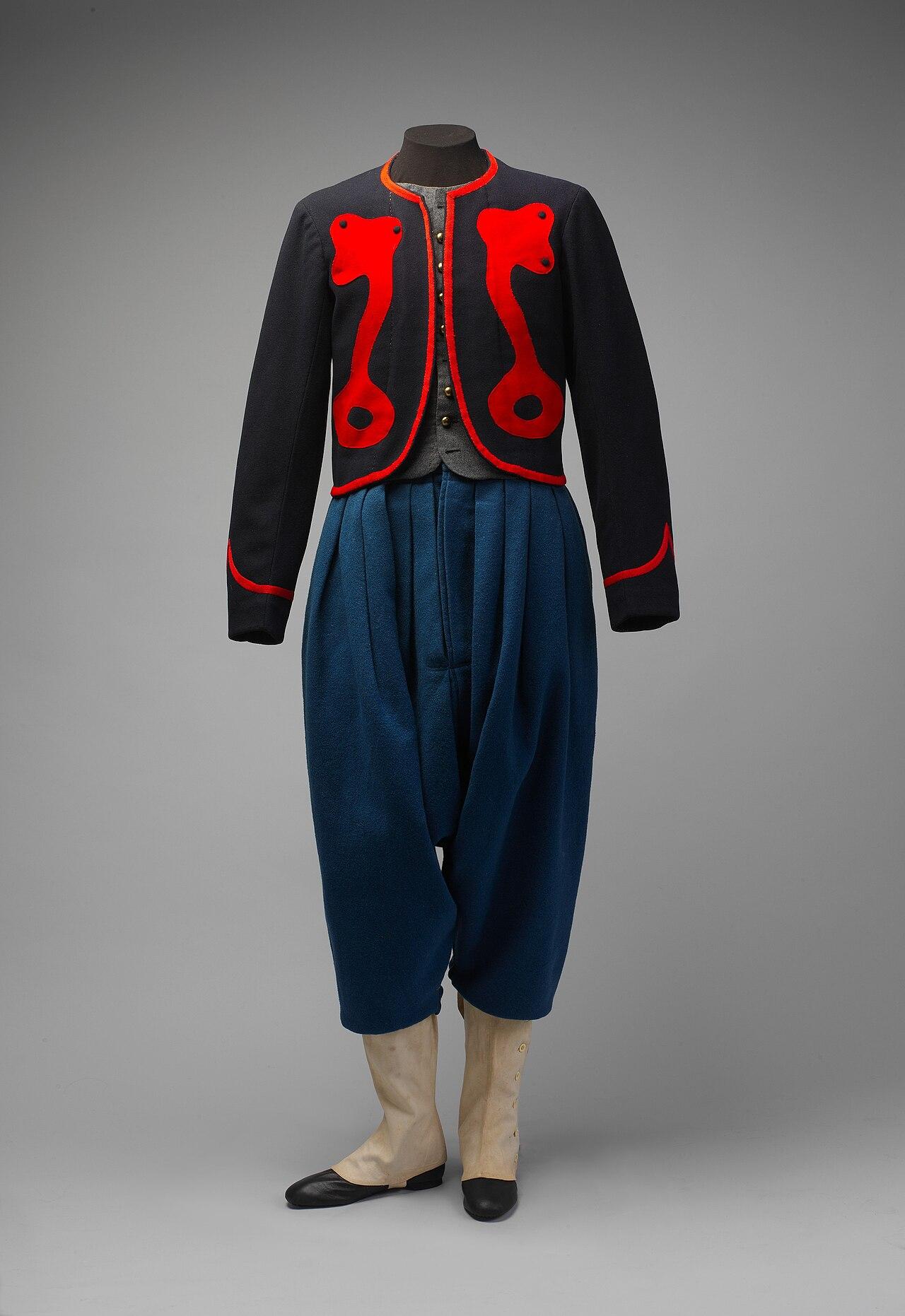
Uniform of the Keystone Zouaves, manufactured at the Schuylkill Arsenal, Philadelphia, 1863-1866. The Metropolitan Museum of Art, Open Access. CC0. - Impact
Uniforms and the Black Soldier
When the right to wear blue was an argument for citizenship.
Read the story →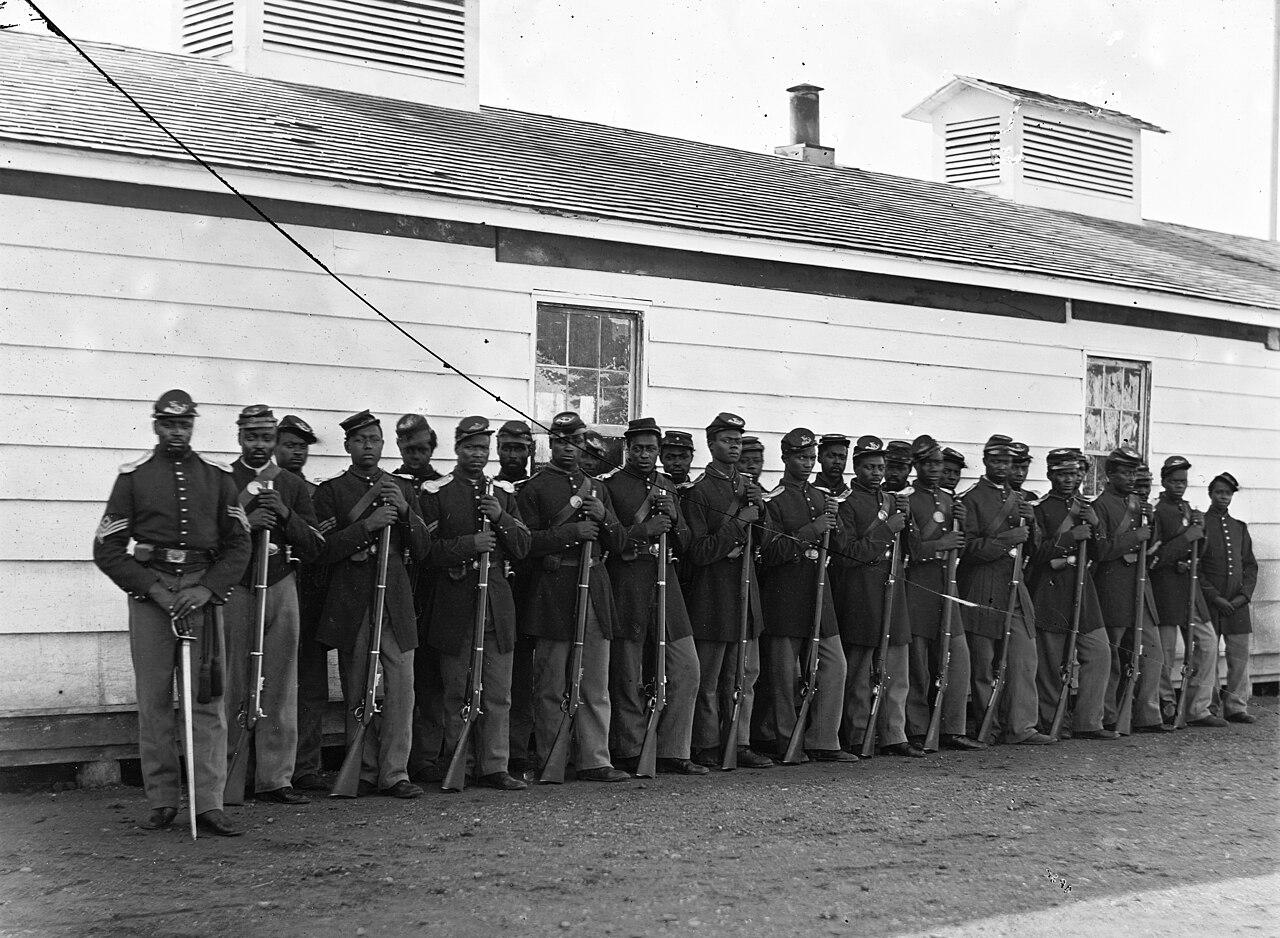
William Morris Smith, "District of Columbia. Company E, 4th U.S. Colored Infantry, at Fort Lincoln." Library of Congress, Civil War Glass Negatives (cwpb.04294). Public domain. 1870–1910 · The Garment District
Material CultureLewis Hine and the Camera as Indictment
A sociologist with a flash camera redefined documentary photography.
Read the story →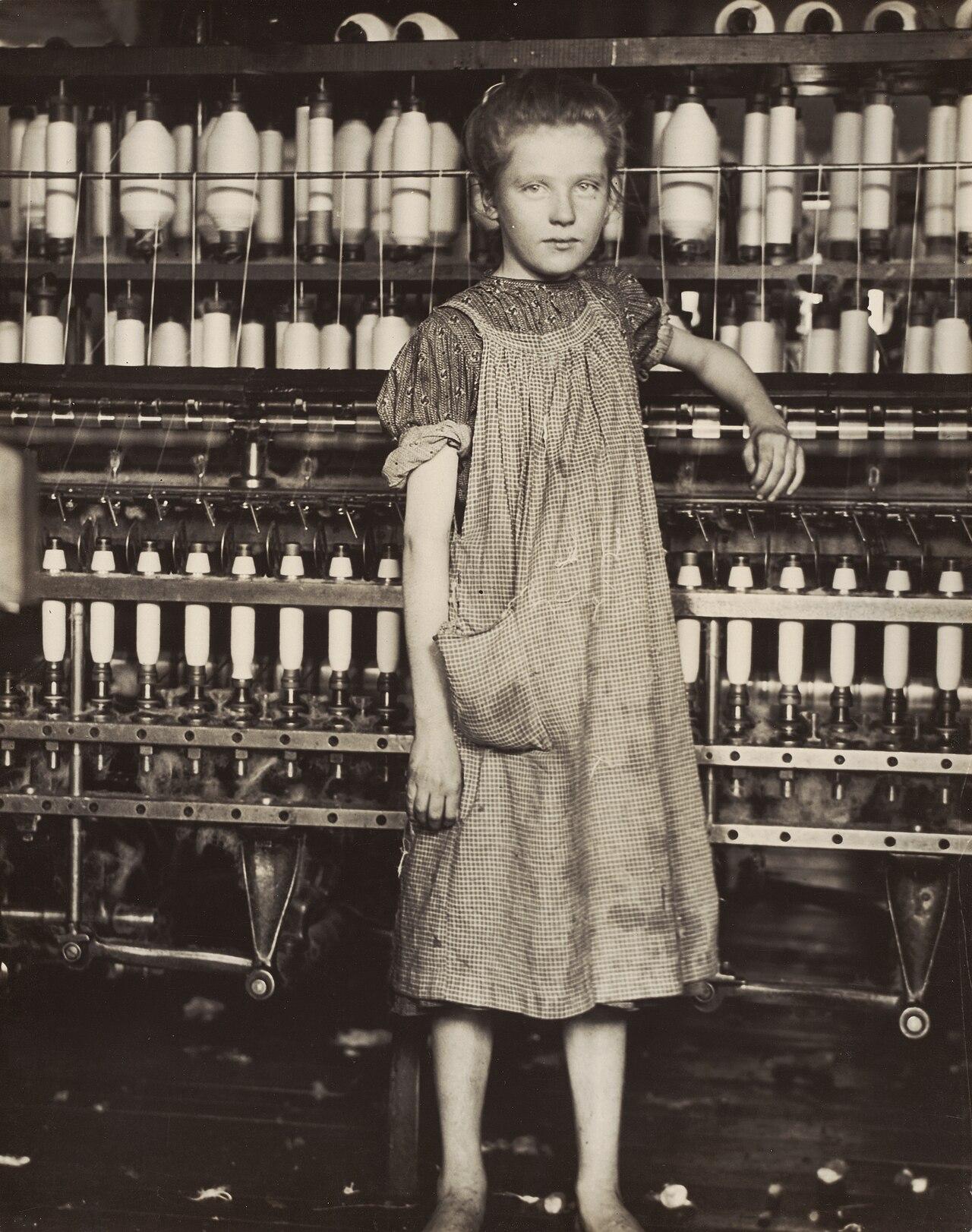
Lewis Wickes Hine, "Addie Card, 12 years old. Spinner in cotton mill, North Pownal, Vermont," 1910. National Gallery of Art, Washington, Open Access (165230). CC0. 1880–1920 · The Gilded Age of Wool
ImpactThe Dagenhart Boys and the Law
How a Charlotte cotton mill family carried child labor to the Supreme Court, and why it took twenty-five years to end it.
Read the story →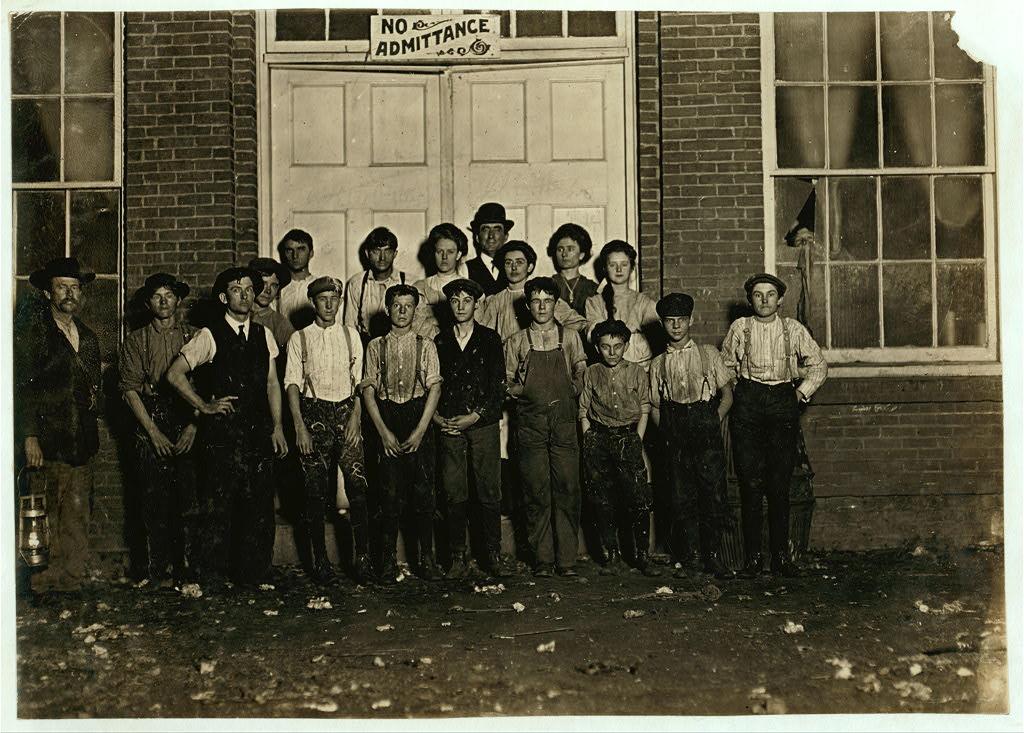
Lewis Wickes Hine, "A few of the hands on the night shift in Highland Park Mill No. 3, Charlotte, N.C. 10:30 P.M. January 7/09," 1909. Library of Congress, National Child Labor Committee Collection (LC-DIG-nclc-01577). Public domain. 1911 · The Ashes of New York
TragedyThe Acquittal of Blanck and Harris
The 'Shirtwaist Kings' walked free.
Read the story →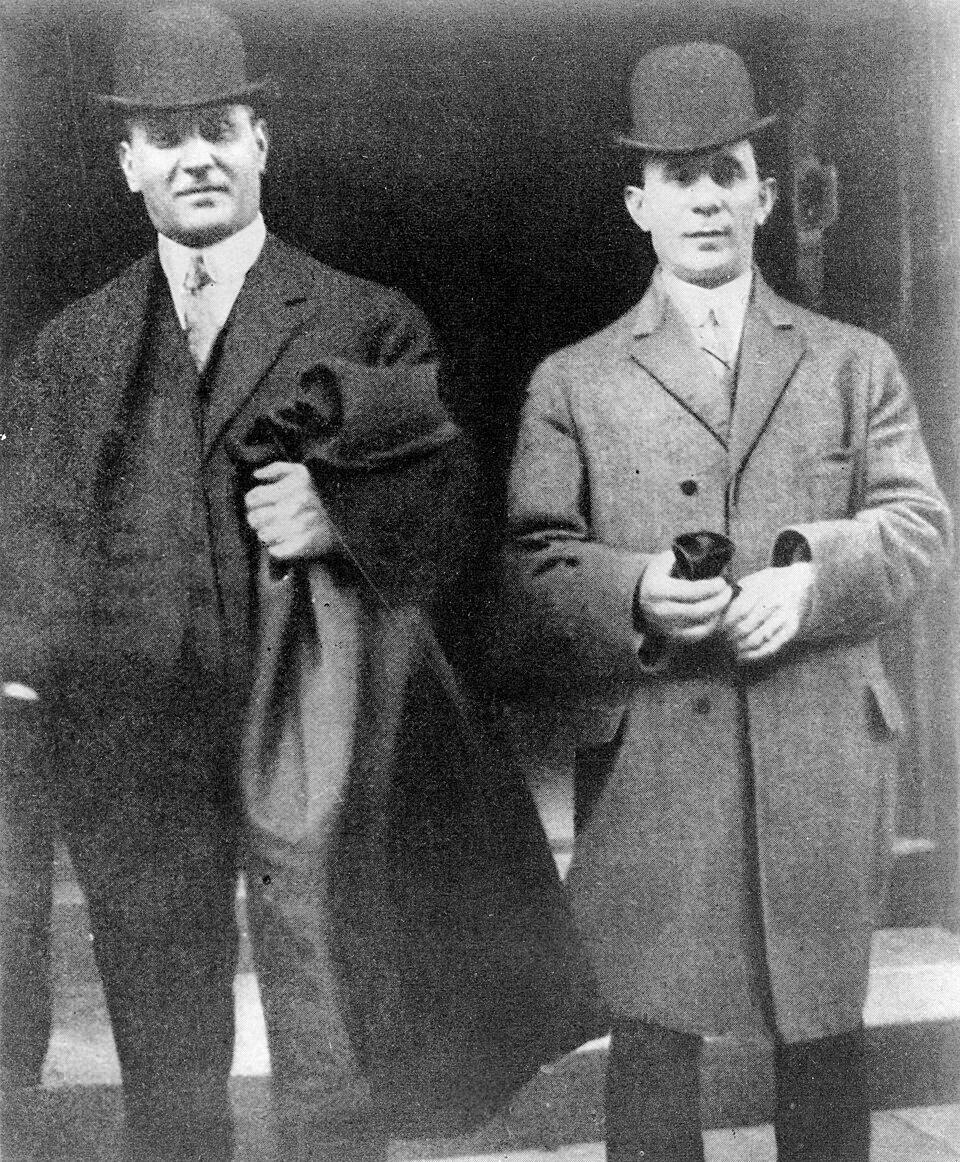
Brown Brothers, "Max Blanck and Isaac Harris, owners of the Triangle Waist Company." Kheel Center for Labor-Management Documentation and Archives, Cornell University (ILGWU Archives). Flickr, CC BY 2.0. - Biography
Frances Perkins: The Witness Who Built the New Deal
A young reformer watched the fire and helped remake American government.
Read the story →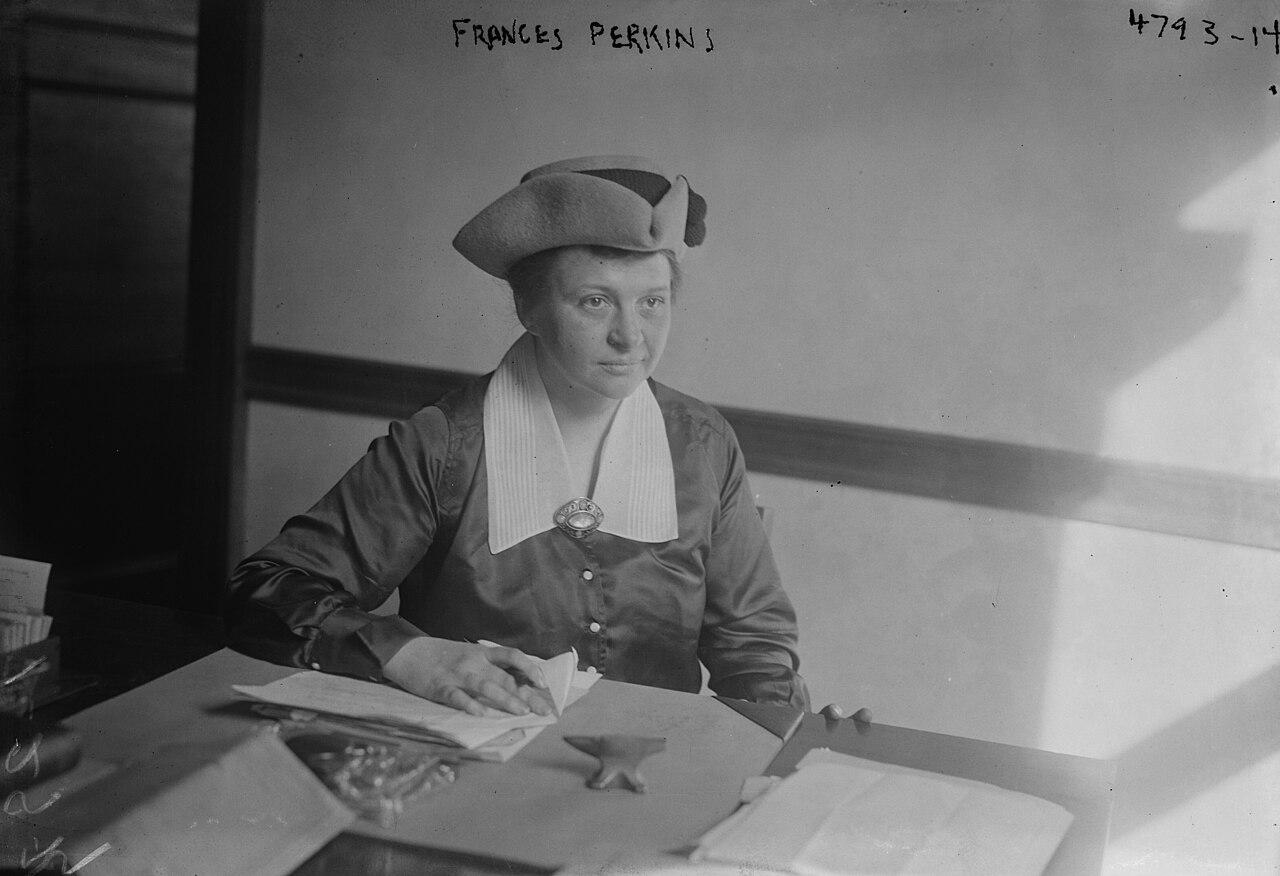
Bain News Service, "Frances Perkins." Library of Congress, George Grantham Bain Collection (LCCN 2014708218). Public domain. 1920–1930 · The Electric Loom
TragedyThe Marion Massacre
Six strikers killed at the Marion Manufacturing Company gate, less than three weeks after Ella May Wiggins.
Read the story →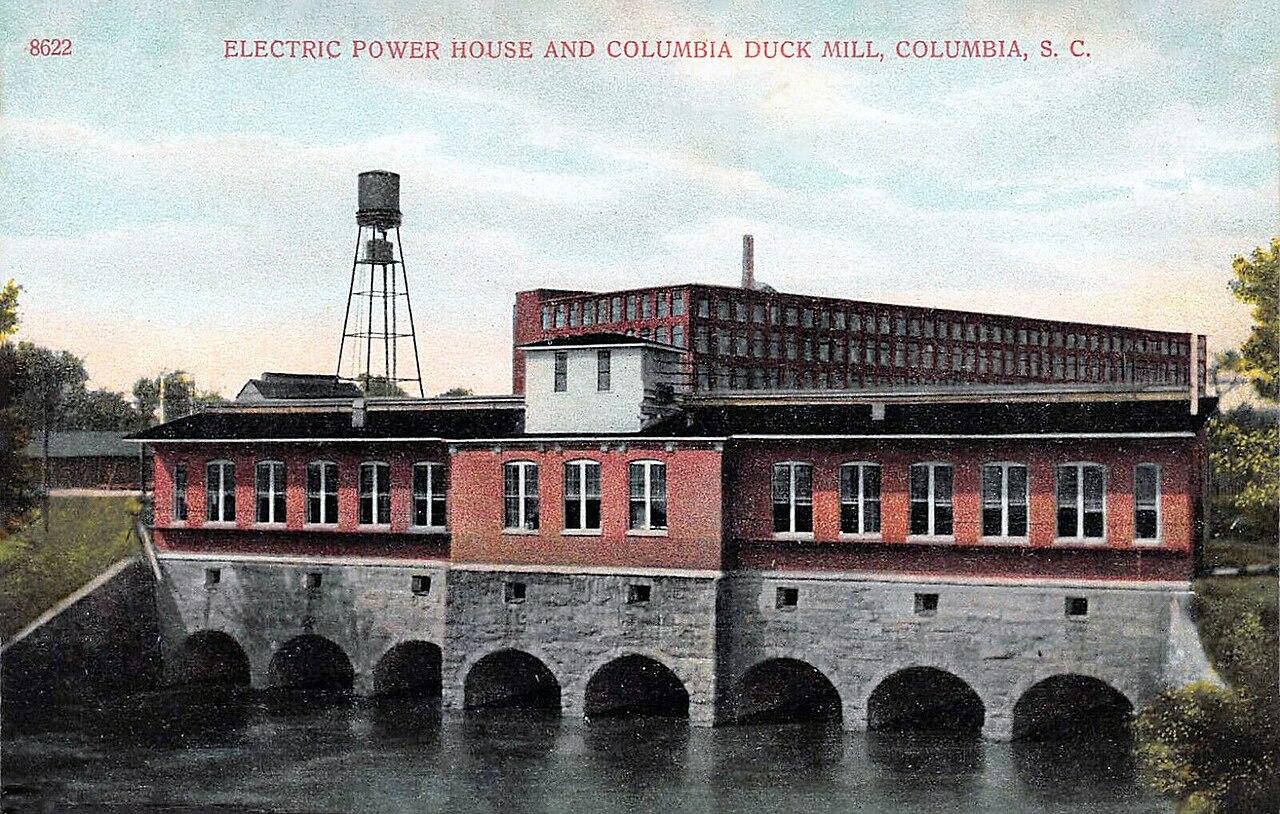
A. C. Bosselman & Co. (publisher), "Electric Power House and Columbia Duck Mill, Columbia, S.C.," postcard, c. 1910. Public domain, via Wikimedia Commons. 1934 · The Great Textile Strike
LaborThe Flying Squadrons
Mobile labor organizing in the Piedmont South.
Read the story →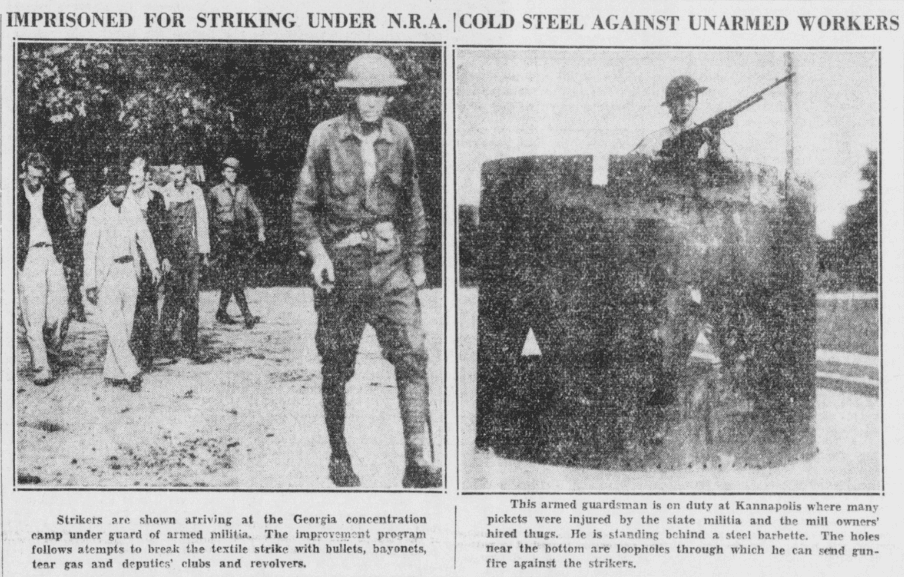
Unidentified press photographers, "Imprisoned for Striking Under N.R.A.; Cold Steel Against Unarmed Workers," Daily Worker (New York), September 22, 1934. Public domain, via Wikimedia Commons. - Tragedy
The Honea Path Massacre
Six dead at the Chiquola Mill gate in about three minutes; a seventh died later.
Read the story →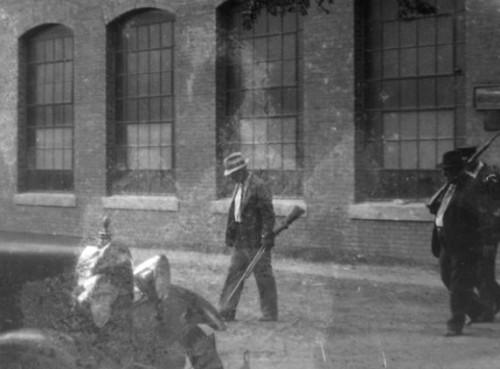
Unidentified photographer, armed men at the Chiquola Mill, Honea Path, South Carolina, September 6, 1934. Public domain, via Wikimedia Commons. - Impact
The Stretch-Out
The speed-up that detonated the 1934 strike.
Read the story →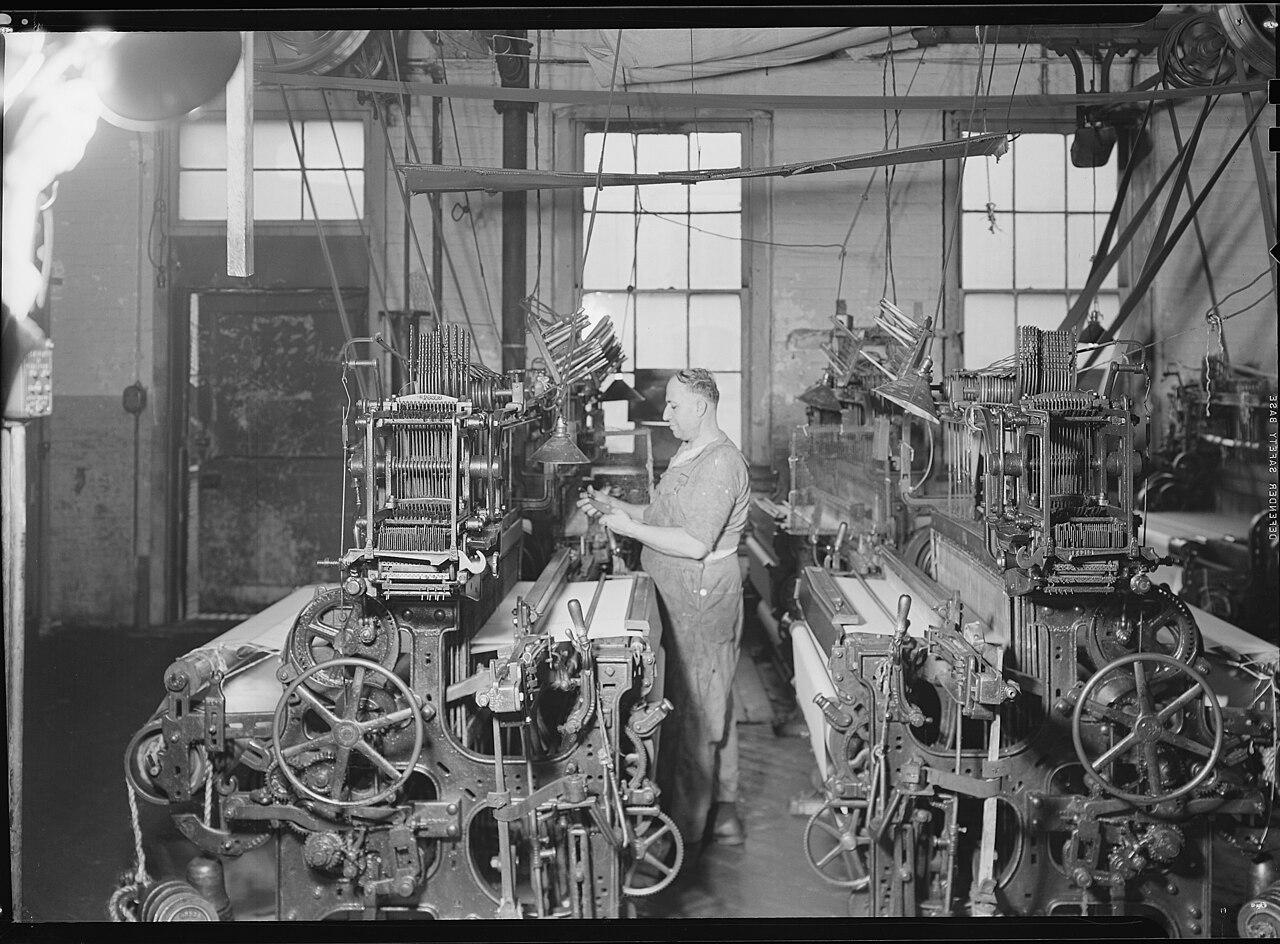
Lewis Wickes Hine, "Paterson, New Jersey-Textiles. Weaver operating four-loom system," 1936-1937. Works Progress Administration National Research Project, U.S. National Archives and Records Administration (NAID 518541). Public domain. - Tragedy
Saylesville and Woonsocket
The National Guard fires on strikers in two Rhode Island mill towns.
Read the story →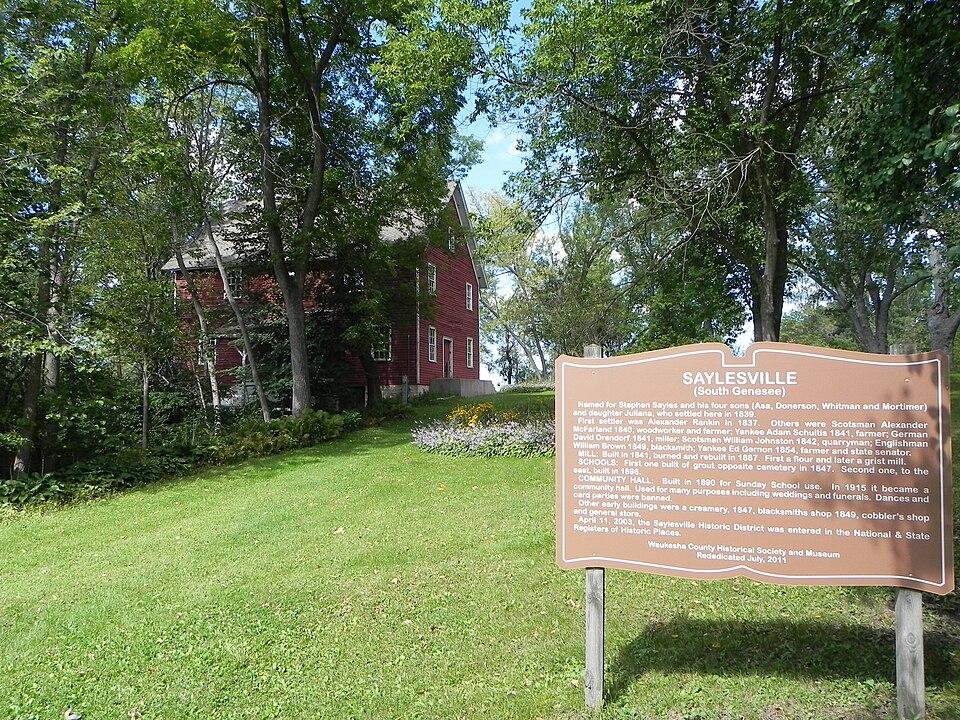
Shadowe, "Saylesville Historic District," Lincoln, Rhode Island (2014). Wikimedia Commons, CC BY-SA 3.0. 1960-1985 · The Long Integration
LaborOpening the Mill Gates
How Black workers used Title VII to integrate the South's largest industry.
Read the story →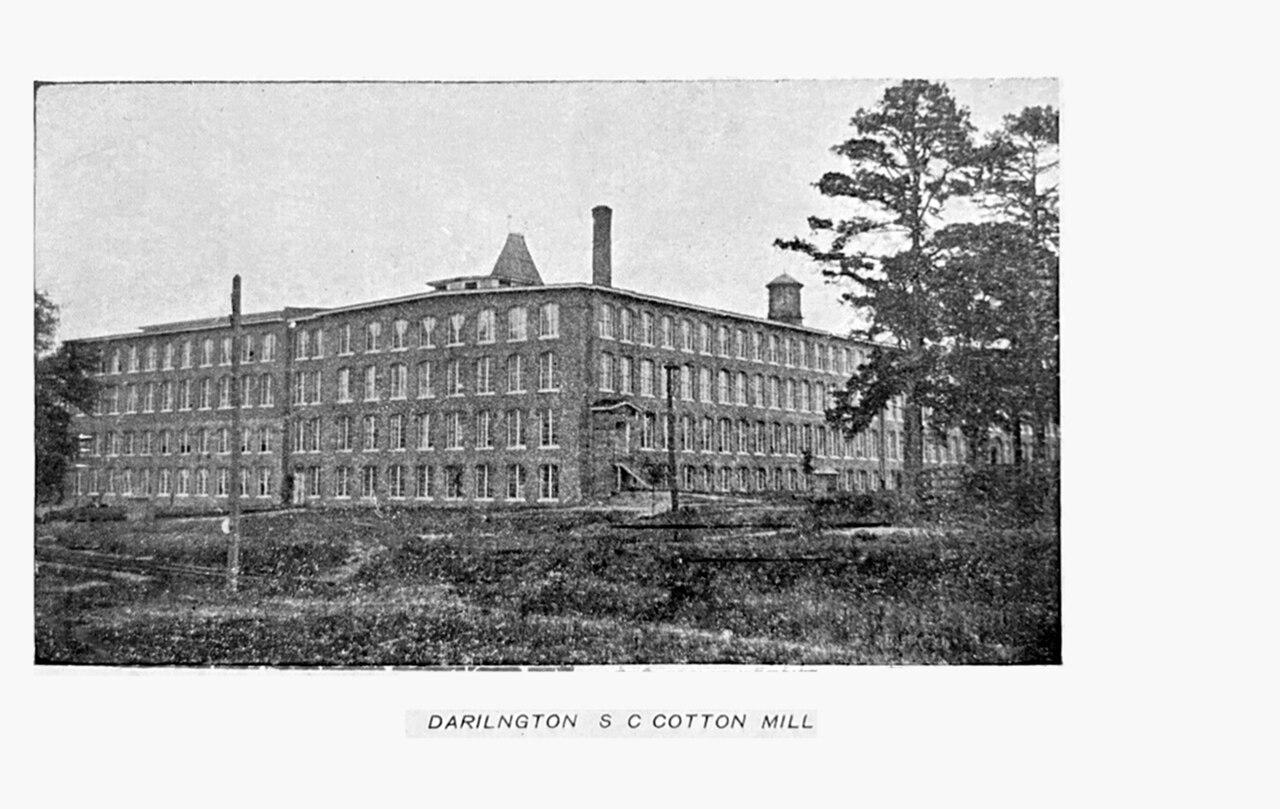
Illustrated Post Card Co., "Darlington, S.C. Cotton Mill," tinted halftone postcard, c. 1905. Public domain, via Wikimedia Commons. - Biography
The Real Norma Rae
Crystal Lee Sutton, a cardboard sign, and the seventeen-year fight to organize J.P. Stevens.
Read the story →Illustrated Post Card Co., "Darlington, S.C. Cotton Mill," tinted halftone postcard, c. 1905. Public domain, via Wikimedia Commons. - Labor
Remember Darlington
A mill closed to punish a union vote, and the Supreme Court case that followed.
Read the story →Illustrated Post Card Co., "Darlington, S.C. Cotton Mill," tinted halftone postcard, c. 1905. Public domain, via Wikimedia Commons. - Impact
Brown Lung
Byssinosis, the Carolina Brown Lung Association, and the fight for a cotton dust standard.
Read the story →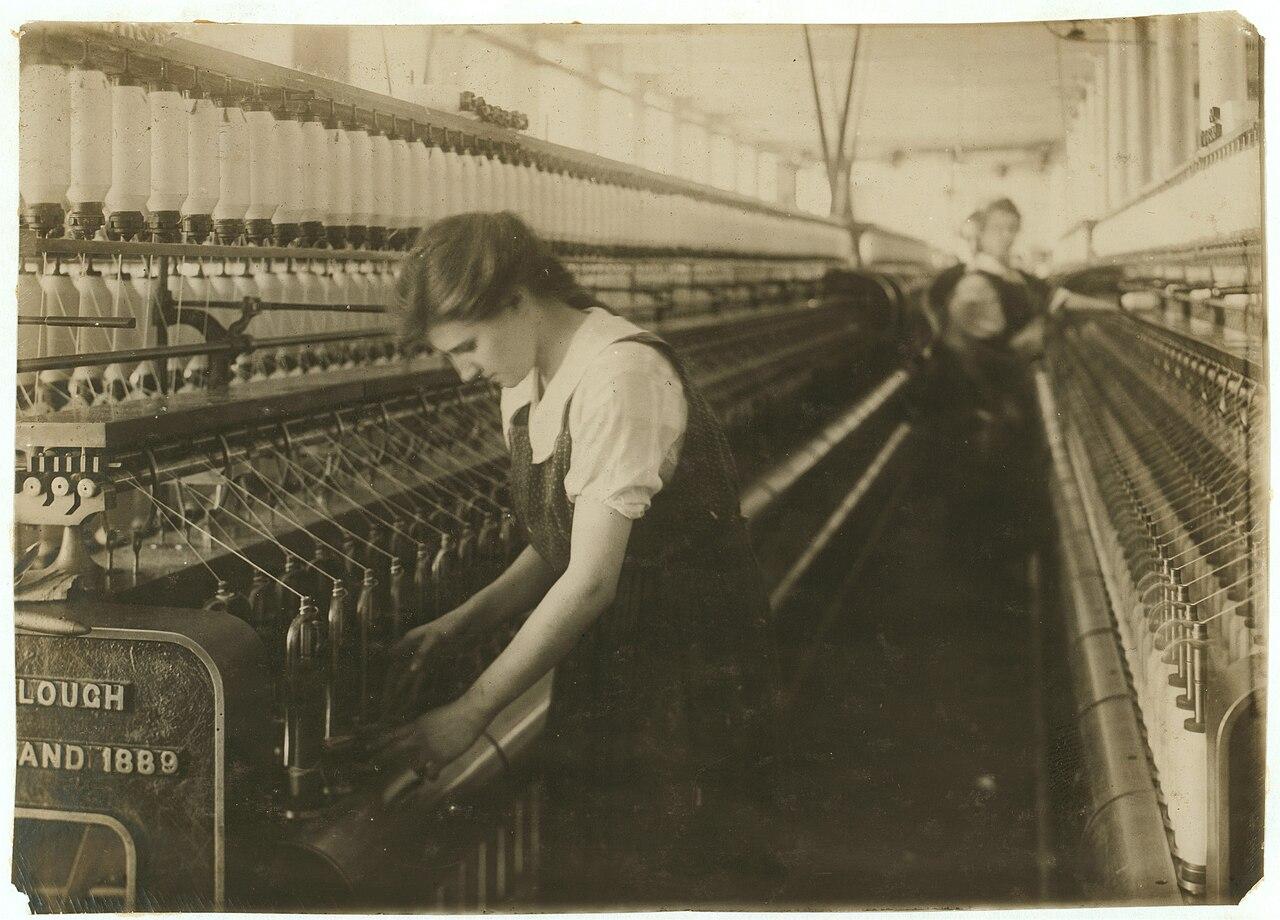
Lewis Wickes Hine, "King Philip Mill-Card Room. Doffer on Jack Speeder. Bertha Bonneau, 15 years," Fall River, Massachusetts, 1916. Library of Congress, National Child Labor Committee Collection (cph.3b33420). Public domain. 1980–2005 · The Great De-Industrialization
ImpactThe End of the Quotas
The night the quotas died.
Read the story →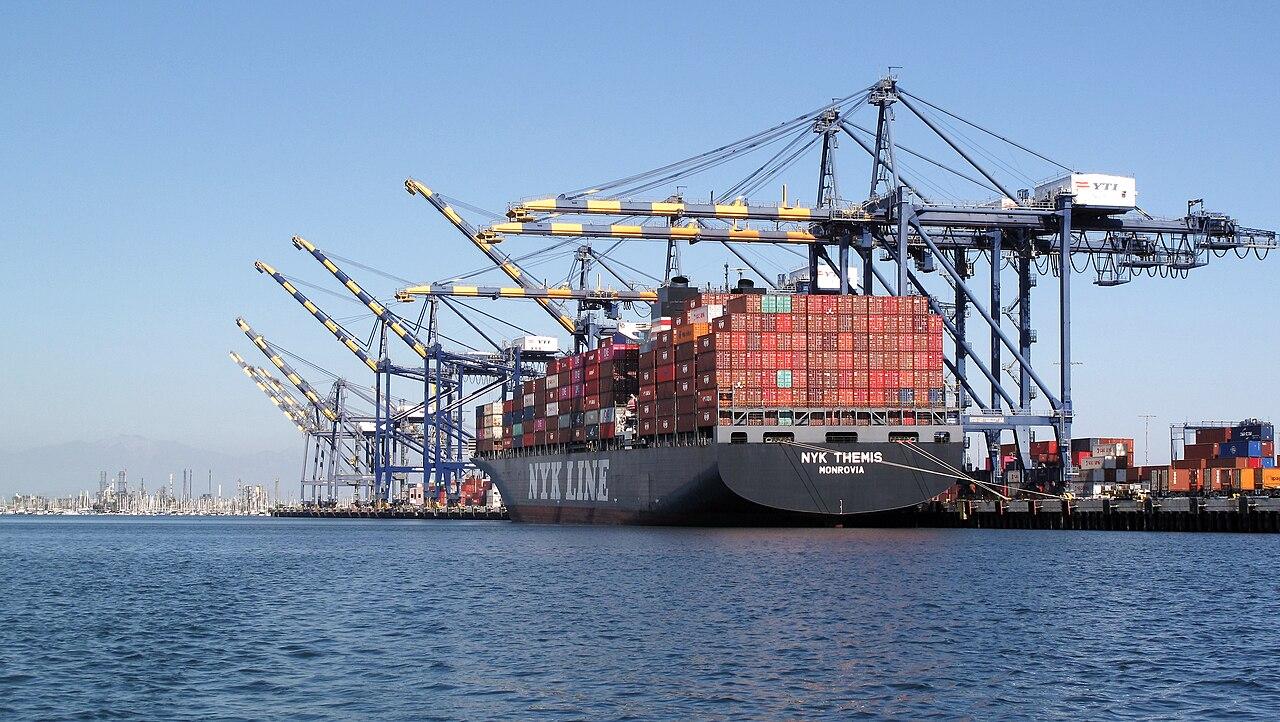
Downtowngal, "Container ship NYK Themis at the Port of Los Angeles" (2021). Wikimedia Commons, CC BY-SA 4.0. 2010–2020 · The Reshoring Frontier
ImpactThe PPE Pivot of 2020
What was left of the U.S. textile base, in a crisis.
Read the story →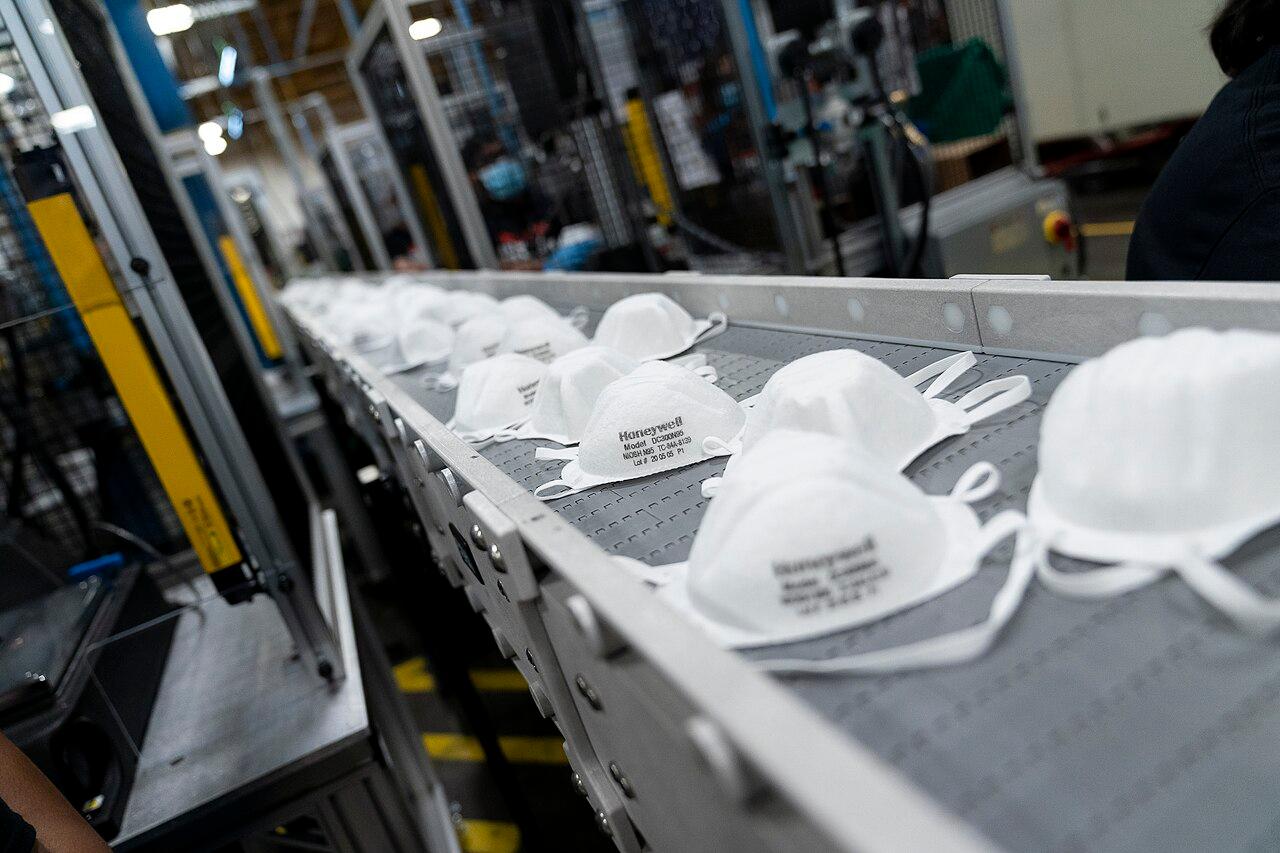
Shealah Craighead, Official White House Photo, Honeywell International Inc. mask production line, Phoenix, Arizona, May 5, 2020. Public domain (U.S. government work). 2020–Present · The Circular Reckoning
ImpactThe New York Fashion Act
A major U.S. attempt to legislate apparel supply chains—still unpassed.
Read the story →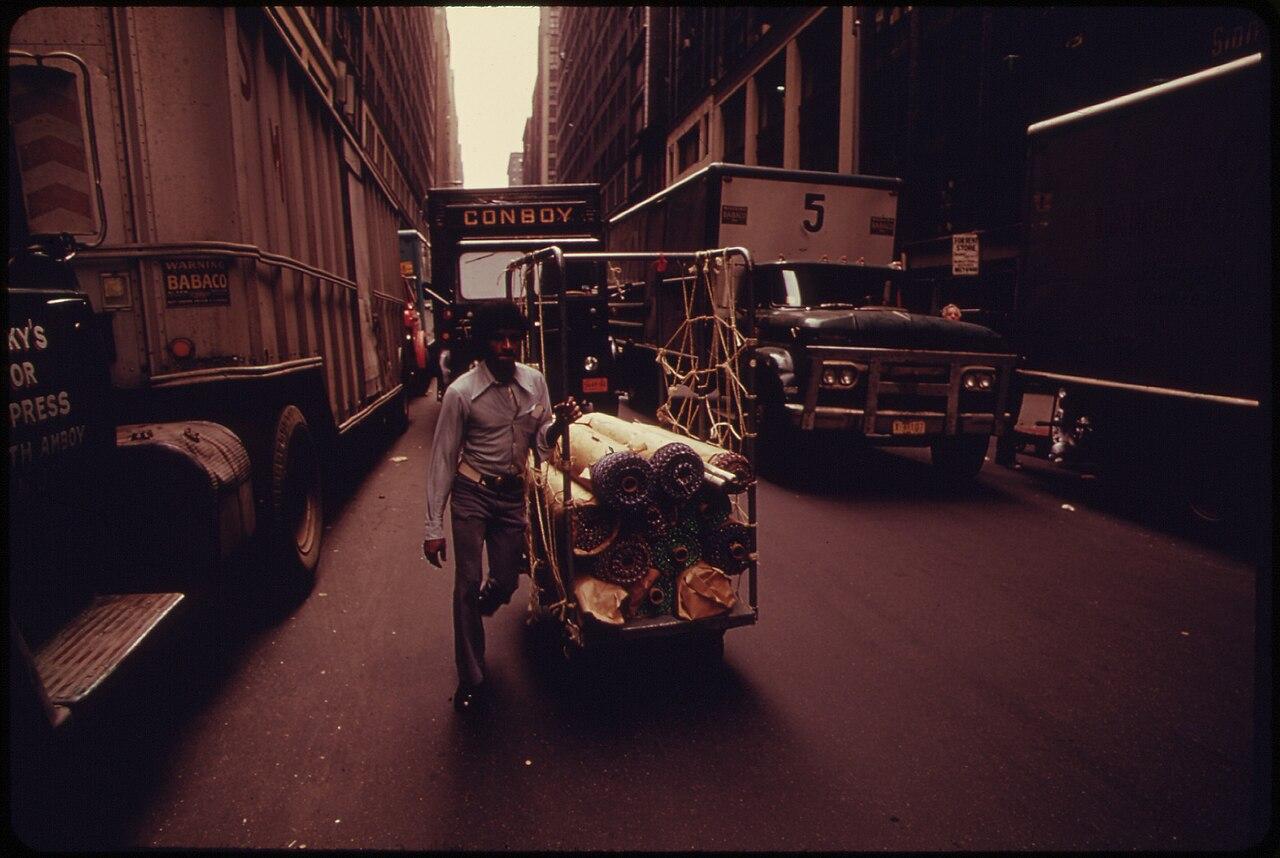
Dan McCoy, "A frequent sight in midtown Manhattan's famous Garment District (between Broadway and Eighth Avenue)," April 1973. U.S. National Archives and Records Administration (NAID 549867). Public domain. - Tragedy
Rana Plaza
The 2013 factory collapse in Bangladesh that exposed the hidden supply chains of American brands.
Read the story →
Sharat Chowdhury, "2013 Savar building collapse," April 27, 2013. Wikimedia Commons, CC BY 2.5. - Labor
From El Monte to SB 62
Slavery in a Los Angeles suburb in 1995, and California's 2021 law making brands answer for their sweatshops.
Read the story →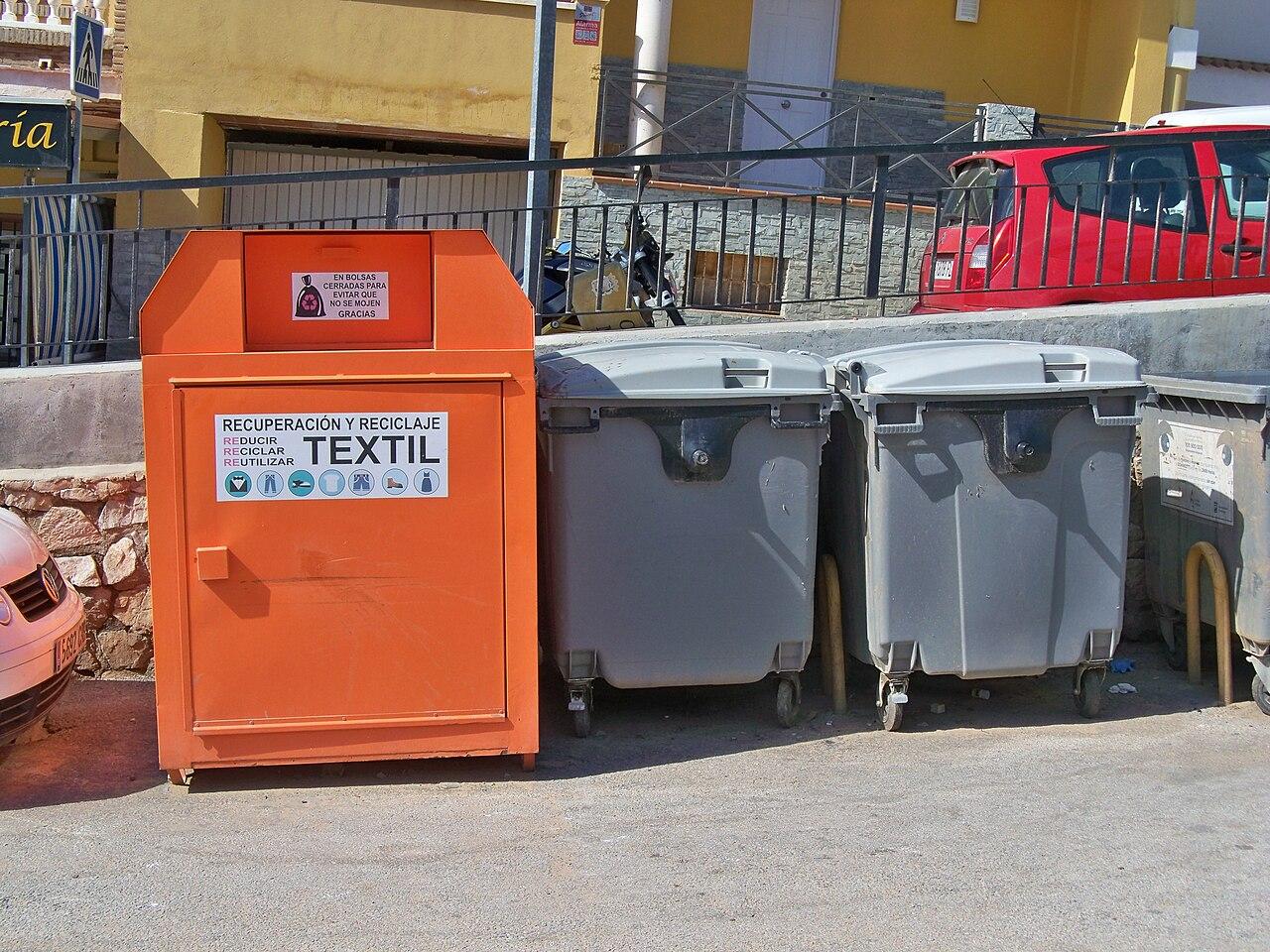
Daniel Capilla, "Textile Recycling Container and Waste Containers," Málaga, Spain (2022). Wikimedia Commons, CC BY-SA 4.0.
Other threads
- Labor & OrganizingWho did the work, and what did it take for them to be heard?
- Slavery & RaceHow did race shape who grew the fiber, who ran the mills, and who was kept out?
- Women at WorkWhy was the textile industry so often built on the labor of women and girls?
- ImmigrationHow did the mills remake who Americans were?
- ChildhoodWhat did it mean to grow up in a mill?
- Machines & MaterialsDid new technology free workers or bind them more tightly?
- Health & SafetyWhat did it cost in lives before workplaces were made safe?
- Global TradeWhere does your shirt come from, and who decides?
- Land & EnvironmentWhat did the industry take from the land and water?