Material Culture · Chapter 10, 1870–1910
Lewis Hine and the Camera as Indictment
A sociologist with a flash camera redefined documentary photography.
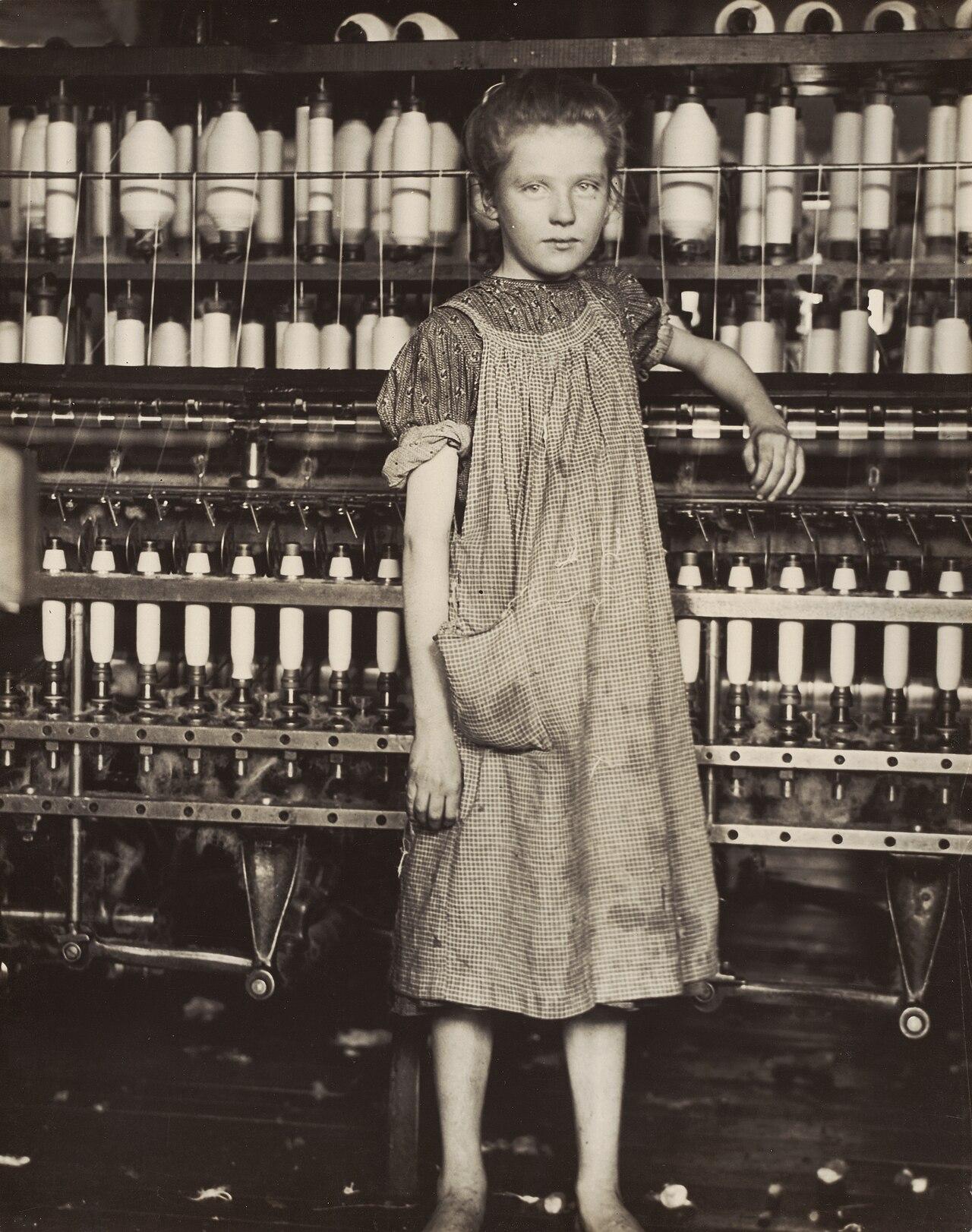
Lewis Hine, a teacher at New York's Ethical Culture School trained in sociology, began photographing immigrants at Ellis Island and, from 1908, worked as an investigative photographer for the National Child Labor Committee. To get past foremen he posed as a fire inspector, a Bible salesman, a postcard vendor, or an industrial photographer, and he recorded children's names, ages, and heights in hidden notes. His thousands of photographs of children in cotton mills, canneries, mines, and tenement homework—including children finishing garments by lamplight—became some of the most reproduced images in American social-reform history. They fed the long campaign that culminated in the child-labor provisions of the Fair Labor Standards Act of 1938.
Sources
- Archive / museumNational Child Labor Committee Collection (Lewis Wickes Hine photographs). Library of Congress, Prints and Photographs Division.
- ScholarshipRussell Freedman. Kids at Work: Lewis Hine and the Crusade Against Child Labor. Clarion Books, 1994.