Innovation · Chapter 08, 1846–1860
Singer's Installment Plan
A turning point in American consumer credit.
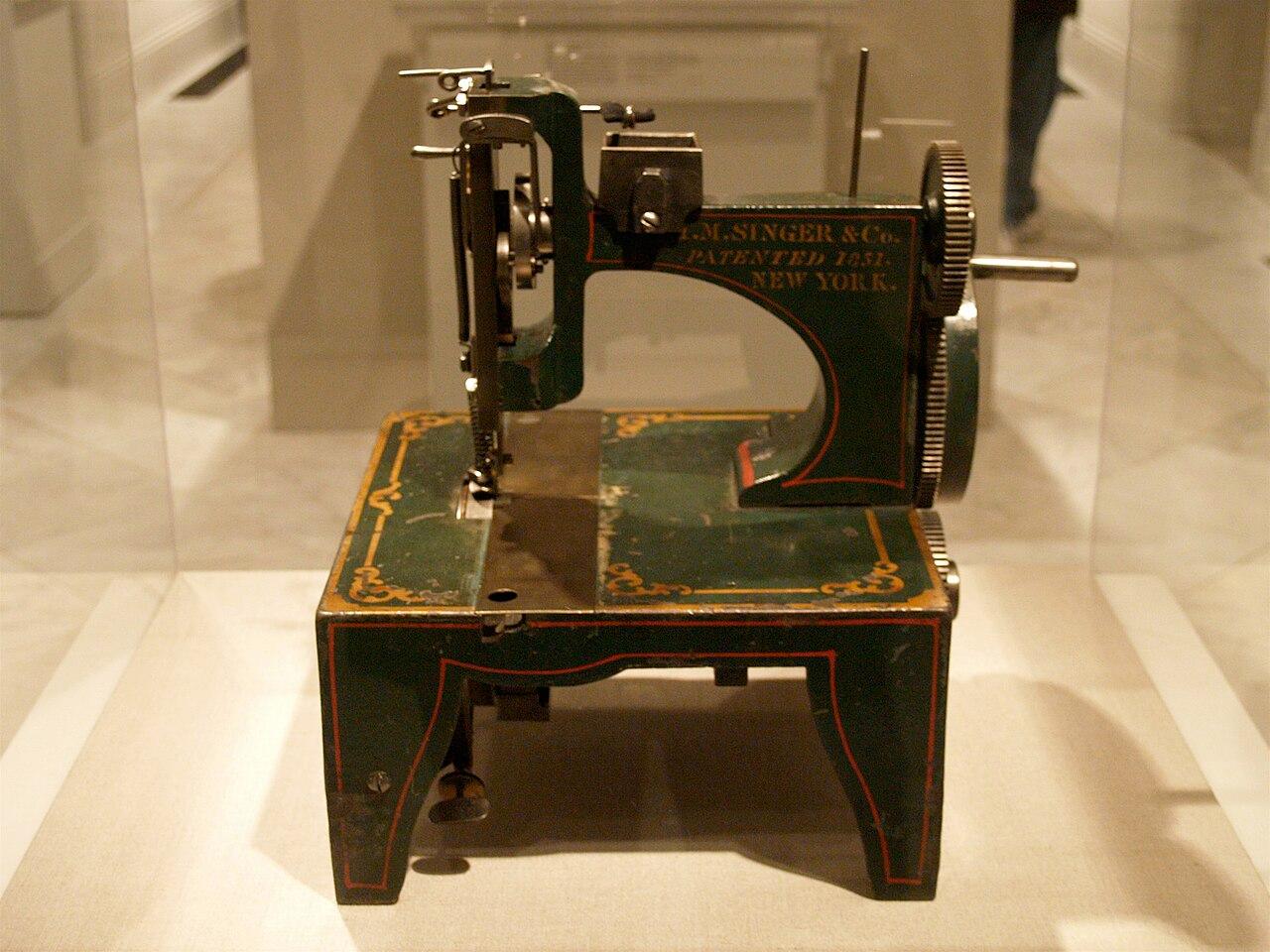
Singer's machines sold for about one hundred dollars at a time when an average family's annual income was roughly five hundred. In September 1856, Singer's partner Edward Clark—borrowing a practice already used by furniture and piano dealers—introduced installment buying on a national scale: a few dollars down and modest monthly payments. Clark also offered trade-in allowances on older machines and discounts to ministers' wives and newspaper publishers who would promote the product. Singer was not the leading seller in the 1850s—Wheeler & Wilson outsold it into the late 1860s—but its credit sales, company-run showrooms, and agents who demonstrated and repaired machines helped make it dominant thereafter and one of the first American multinationals. Its methods became a model for the consumer credit that later financed pianos, automobiles, and refrigerators.
Sources
- ScholarshipIsaac Singer and His Wonderful Sewing Machine. American Heritage, 1958.
- ScholarshipEasy Payments: The Rise of Installment Selling. Baker Library, Harvard Business School.
- ScholarshipA Sewing Revolution. New-York Historical Society.