Innovation · Chapter 20, 2010–2020
The Automated Factory
Robotics, digital knitting, and the limits of the 'factory of the future.'
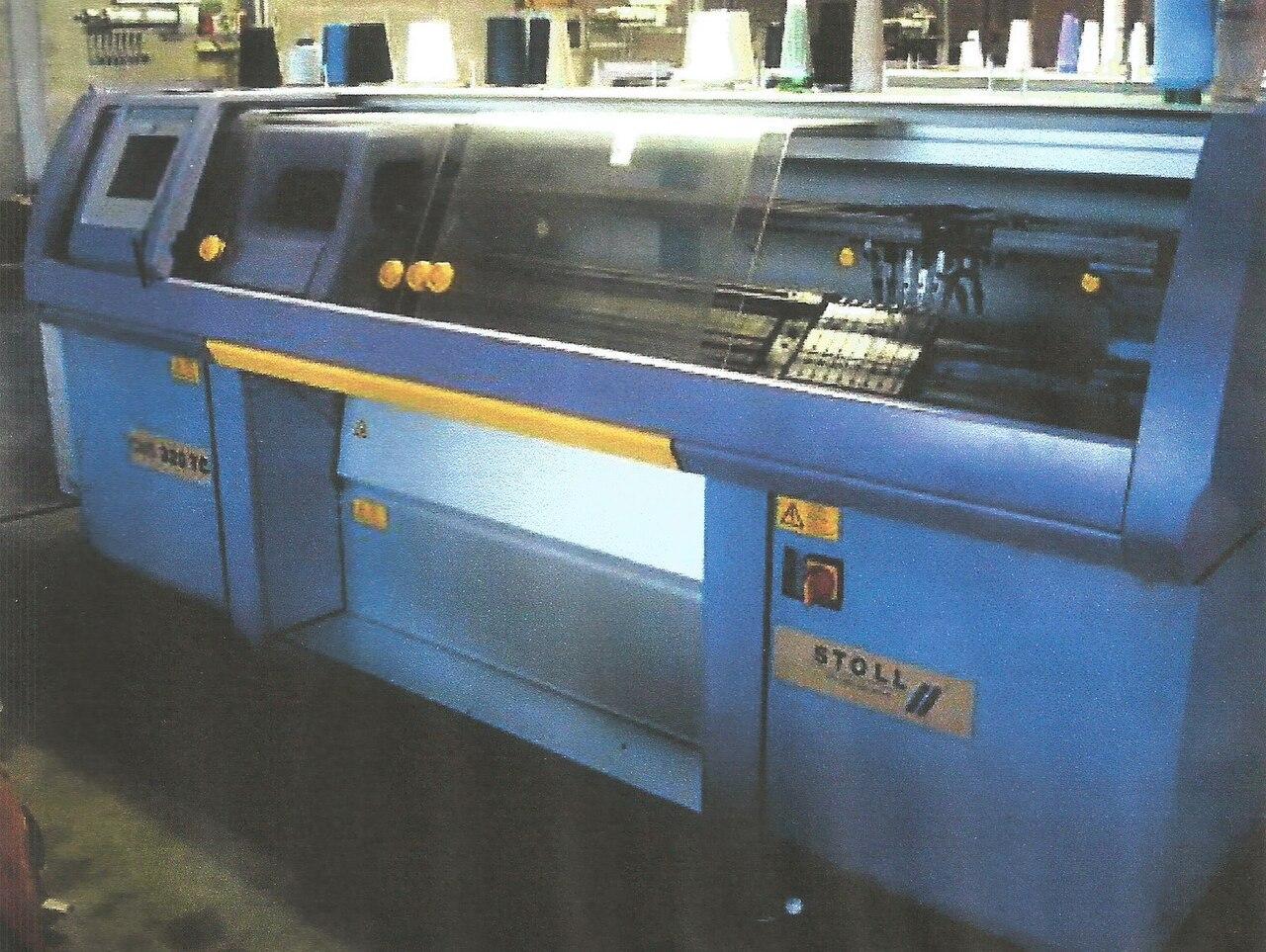
Today's most advanced textile machines include computerized flat-knitting platforms, such as Shima Seiki's WHOLEGARMENT machines and Stoll's knitting systems, that turn a digital design file into a shaped panel or a complete seamless garment with little cutting waste. Such machines let a small staff run many units, making short runs and rapid replenishment more economical close to customers. The limits of automation are just as instructive. Adidas's Speedfactories in Ansbach and Atlanta, which used robots and knitted uppers to make running shoes near their markets, were planned to produce on the order of a million pairs a year combined; in November 2019 Adidas announced it would close both by April 2020 and apply the methods at its Asian suppliers. Automation has helped some domestic production survive, but it has not recreated the working-class employment base the old mills provided.
Sources
- Primary sourceadidas deploys Speedfactory technology at Asian suppliers by end of 2019. adidas Group, 2019.
- ScholarshipAdidas will stop making shoes with robots in Germany and the US. The Verge, 2019.
- ScholarshipAdidas to close German, U.S. robot factories. Reuters, 2019.