Impact · Chapter 16, 1950–1980
The Cost of 'Miracle' Fibers
How synthetic clothing became a source of microplastic pollution.
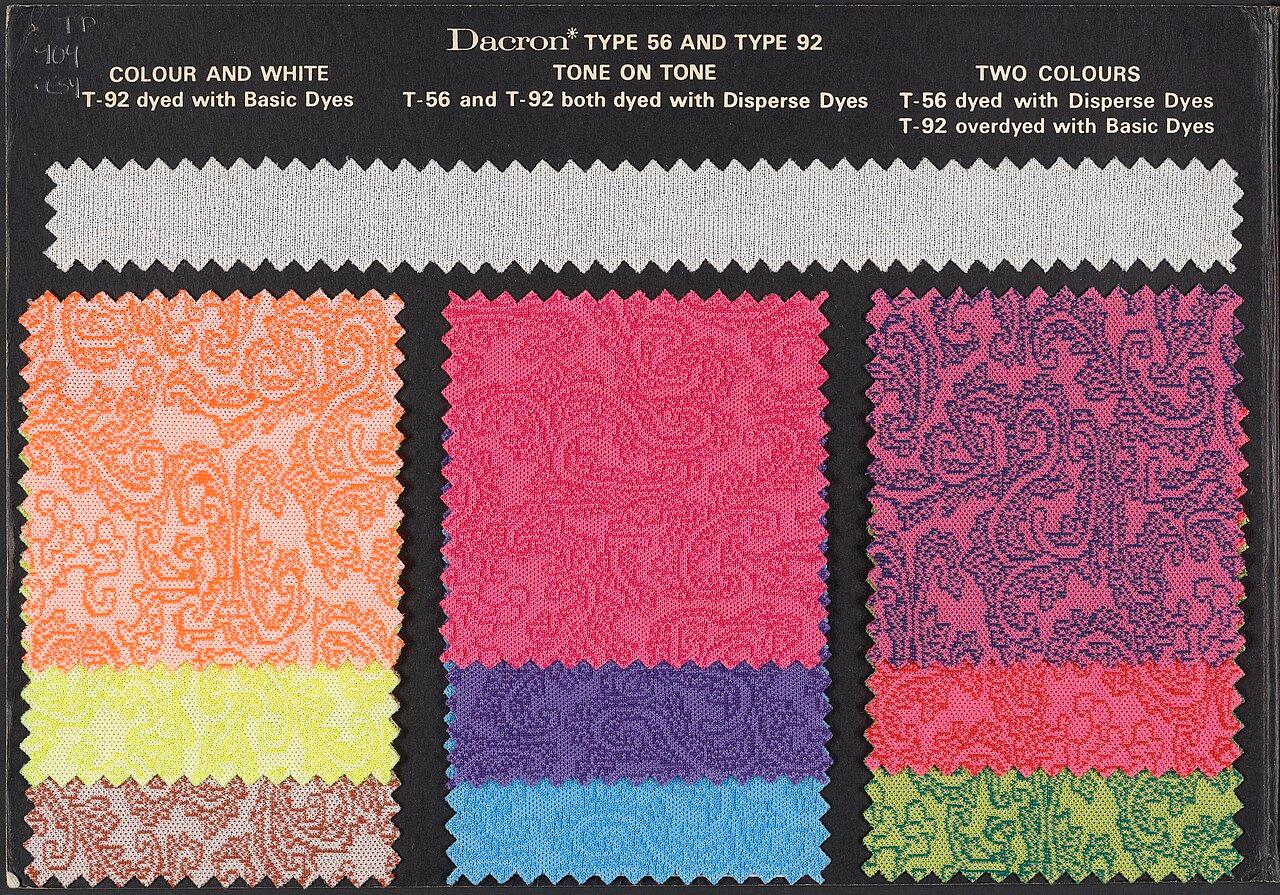
Polyester, nylon, and acrylic are plastics made from petroleum and natural gas, and they do not biodegrade on any human timescale. Laundering synthetic clothing releases tiny fibers that can pass through wastewater treatment into rivers and seas. In a 2016 study, Imogen Napper and Richard Thompson of the University of Plymouth estimated that a six-kilogram wash load could release about 138,000 fibers from polyester-cotton, 496,000 from polyester, and more than 700,000 from acrylic. The Ellen MacArthur Foundation's 2017 report on the textile economy estimated that roughly half a million tonnes of plastic microfibers from washing reach the ocean each year. Microplastics, including textile fibers, have since been reported from Arctic sea ice to deep-sea sediments and in human tissue, including placentas. The launch of mass-market synthetics in the 1950s was, in retrospect, the beginning of an environmental experiment whose consequences are still being measured.
Sources
- Primary sourceImogen E. Napper and Richard C. Thompson. Release of synthetic microplastic plastic fibres from domestic washing machines: Effects of fabric type and washing conditions. Marine Pollution Bulletin, 2016.
- ScholarshipA New Textiles Economy: Redesigning Fashion's Future. Ellen MacArthur Foundation, 2017.
- Primary sourceEdward J. Carpenter and K. L. Smith Jr. Plastics on the Sargasso Sea Surface. Science, 1972.