Material Culture · Chapter 19, 1980–2005
Ghosts of the Mill Town
What remains in the buildings the looms left behind.
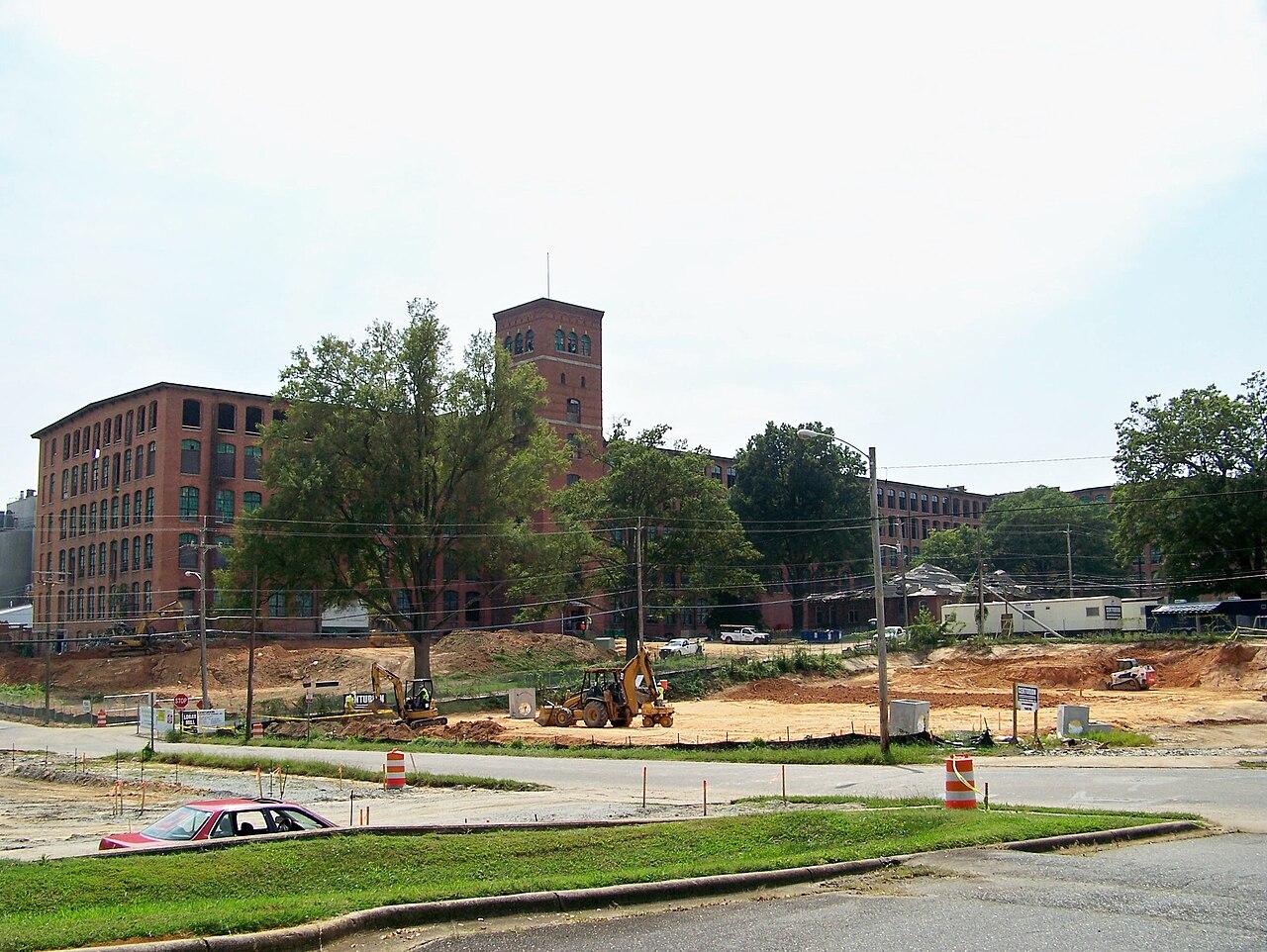
From New Bedford, Massachusetts, to Spartanburg, South Carolina, the same architectural ghost recurs: vast brick mill complexes, sometimes covering hundreds of thousands of square feet, that once anchored a town's economy. A growing number have been rehabilitated with the help of historic-preservation tax credits—Gastonia's Loray Mill, scene of the 1929 strike, reopened in 2014 with nearly two hundred loft apartments and commercial space. Many more remain shuttered or have been demolished, among them Honea Path's Chiquola Mill. The mill village produced more than cloth; it produced a particular kind of dense, walkable, multi-generational working-class community, and its disappearance is one of the least photographed losses in recent American life.
Sources
- Government recordLoray Village Plan. City of Gastonia.
- ScholarshipGastonia's historic Loray Mill's renovation brings secrets, memories. The Charlotte Observer.
- ScholarshipChiquola Mill, site of Bloody Thursday, torn down. WYFF News 4.