Innovation · Chapter 13, 1920–1930
Rayon: The First Manufactured Fiber
Trees, chemistry, and the beginning of the artificial-fiber age.
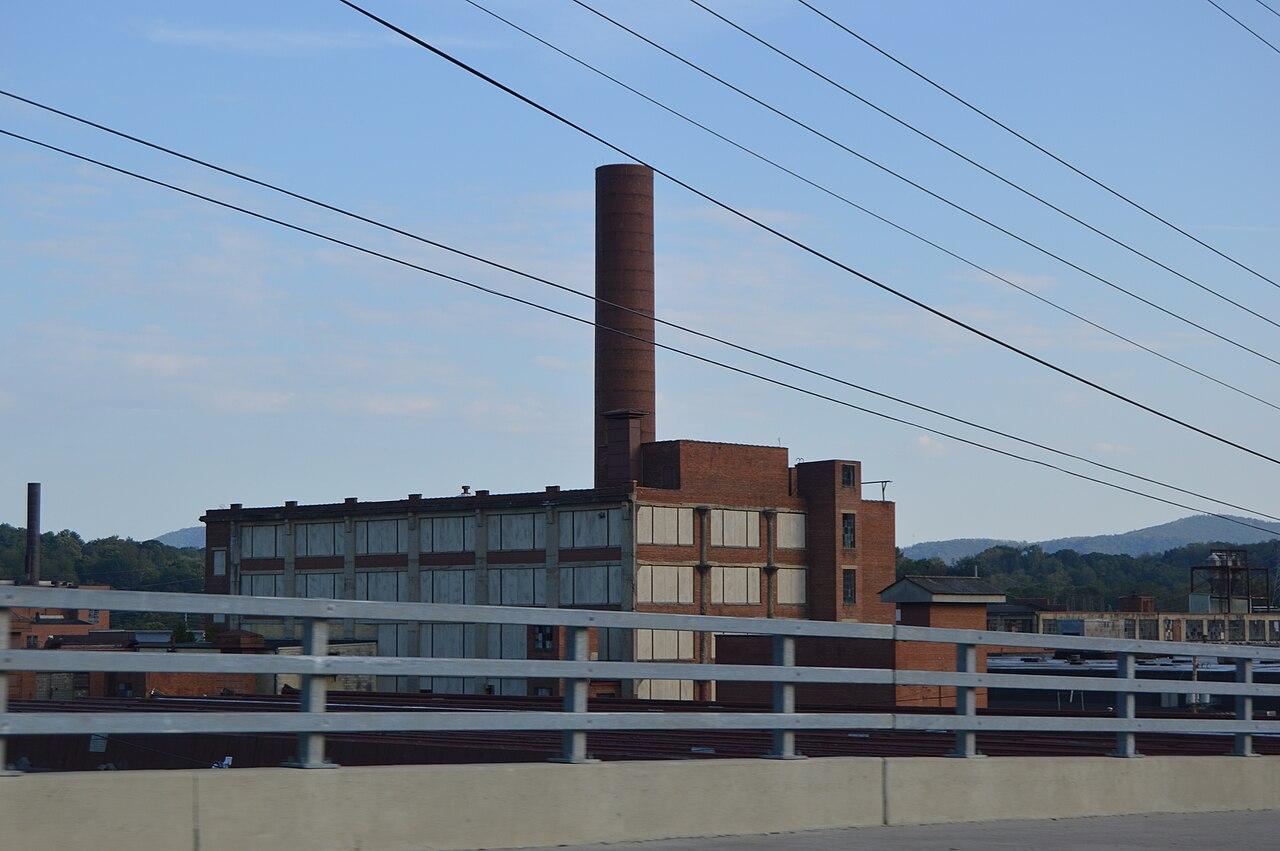
Rayon was not, strictly speaking, a synthetic: it was a 'regenerated cellulose' fiber, made by dissolving wood pulp or cotton linters in caustic chemicals and carbon disulfide and extruding the solution through spinnerets. To consumers it was a revelation-silk-like luster, easily dyed, and a fraction of the price of silk. American Viscose began commercial production at Marcus Hook, Pennsylvania, in 1910, DuPont entered the field in 1920, and by the late 1920s rayon was being woven into mass-market hosiery, lingerie, and dress goods. It had a hidden cost: carbon disulfide poisoned many workers in viscose plants, causing neurological and psychiatric harm. Rayon proved a profound concept—that cloth could come not from a field or a flock but from a chemical plant—and its full implications arrived with nylon.
Sources
- ScholarshipPaul David Blanc. Fake Silk: The Lethal History of Viscose Rayon. Yale University Press, 2016.
- ScholarshipA Synthetic History. Science History Institute.