Labor · Chapter 17, 1960-1985
Opening the Mill Gates
How Black workers used Title VII to integrate the South's largest industry.
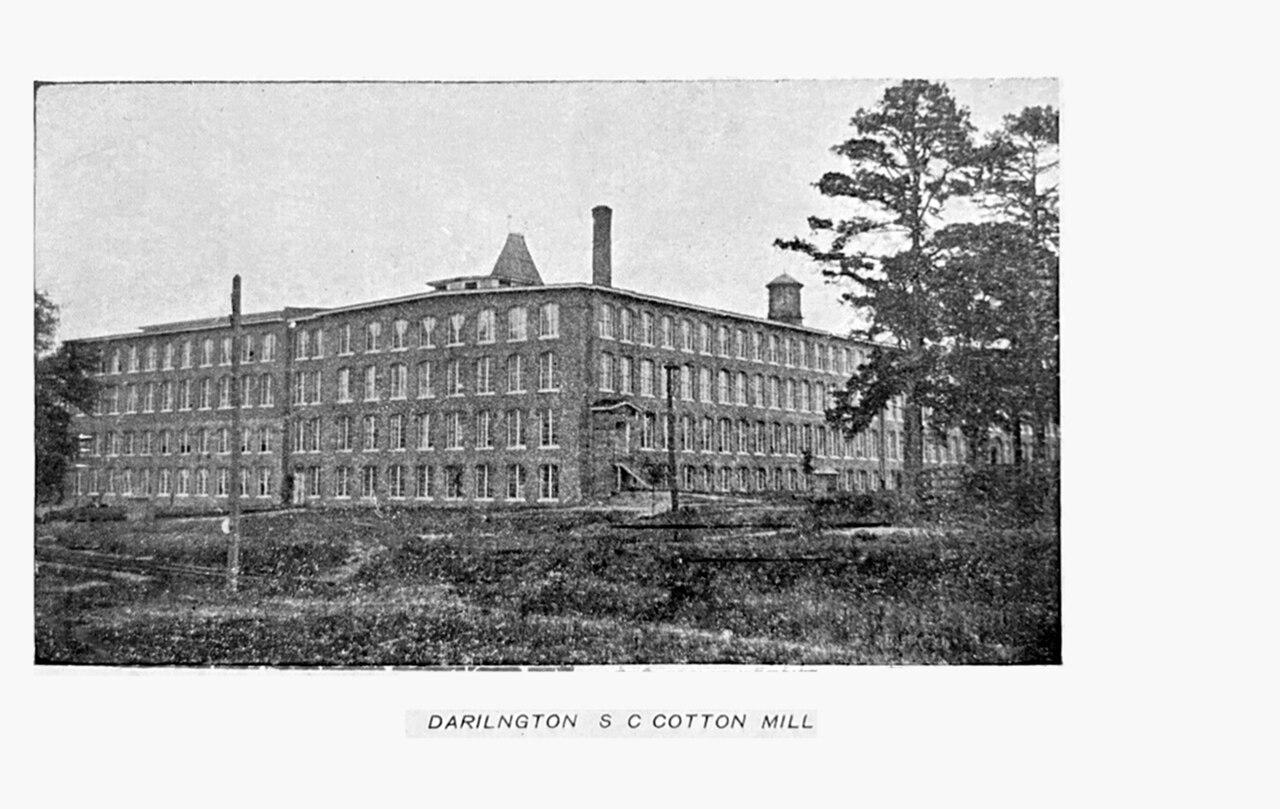
Black workers in the mill towns called it 'the change.' For generations the Southern mill village had been built on racial exclusion: Black men worked outside or in the dirtiest laboring jobs, Black women worked as domestic servants in white households, often freeing white women to work in the mills, and the production floor was white. The Civil Rights Act of 1964, whose employment provisions took effect in July 1965, gave Black workers a legal weapon, and they used it. Their letters to the Equal Employment Opportunity Commission became the basis of class-action suits against nearly every major textile company. One of the most consequential began on October 2, 1970, when thirteen Black residents of Roanoke Rapids, North Carolina, with Lucy Sledge as lead plaintiff, sued J.P. Stevens over discrimination in hiring, job assignment, promotion, and recall at its local plants. In December 1975 a federal district court found classwide discrimination, resting largely on statistical evidence, and in 1978 the Fourth Circuit Court of Appeals largely affirmed. Between 1960 and 1978 the Black share of the Southern textile workforce rose from 3.3 to 25 percent. Integration did not mean equality. Historian Timothy Minchin has documented how Black men were shunted into low-paid jobs with few promotions, and how Black women continued to face hiring discrimination well into the 1970s.
Sources
- ScholarshipTimothy J. Minchin. Hiring the Black Worker: The Racial Integration of the Southern Textile Industry, 1960–1980. University of North Carolina Press, 1999.
- Primary sourceSledge v. J. P. Stevens & Co., 585 F.2d 625 (4th Cir. 1978). Justia, 1978.
- ScholarshipMary Frederickson. Four Decades of Change: Black Workers in Southern Textiles, 1941–1981. Temple University Press, Workers' Struggles, Past and Present: A 'Radical America' Reader.