Biography · Chapter 15, 1940–1950
Wallace Carothers, Inventor of Nylon
The brilliant chemist who did not live to see his invention reach the public.
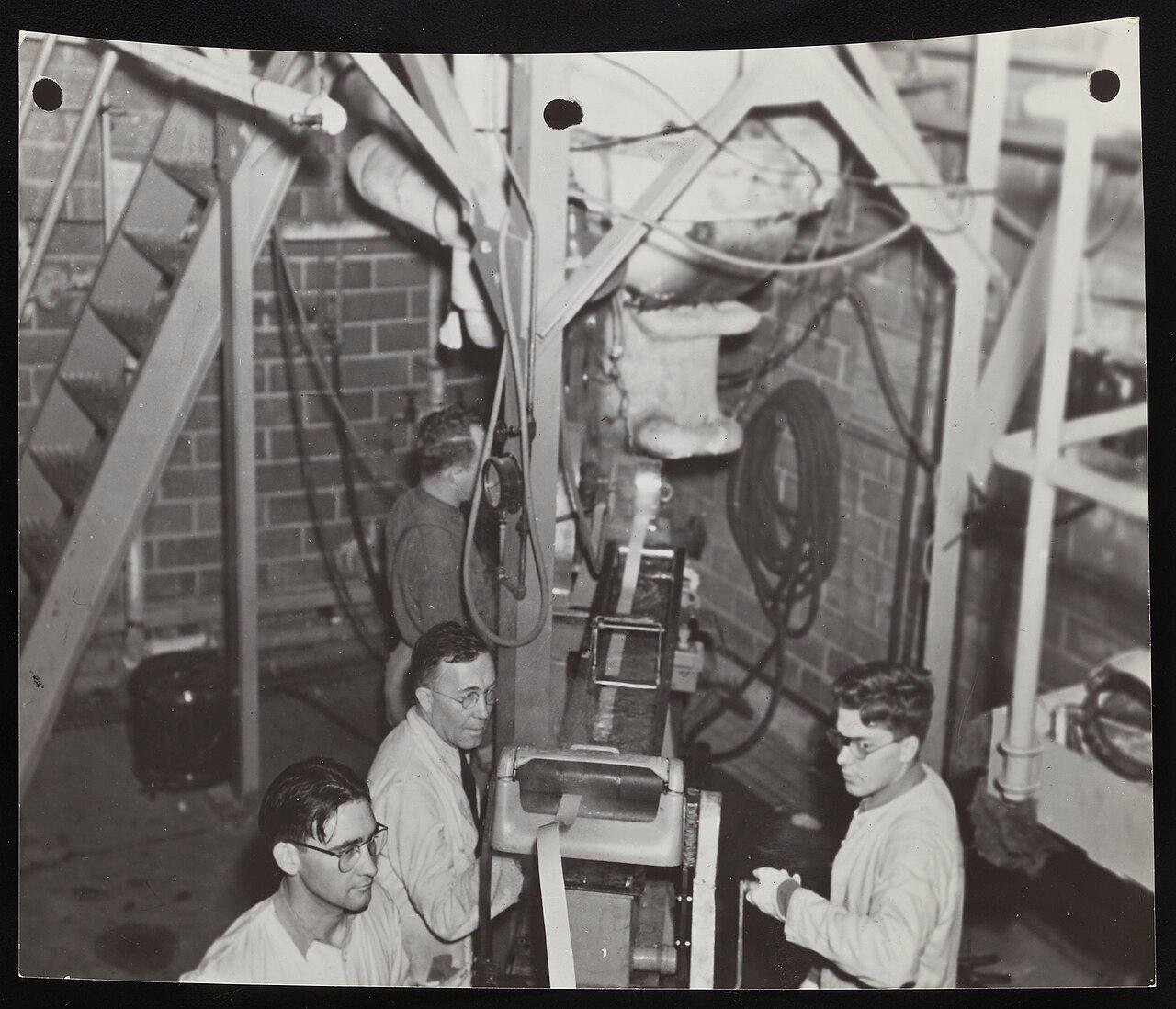
Wallace Carothers earned his doctorate in chemistry at the University of Illinois in 1924 and was teaching at Harvard when DuPont recruited him in 1928 to lead polymer research in its new fundamental-research program. His group's work helped prove that polymers are true giant molecules. In 1930 his laboratory produced neoprene, the first commercially successful synthetic rubber, and early polyester fibers; returning to fibers in 1934, his team turned to polyamides and in 1935 produced the polymer that became nylon. Carothers suffered from severe depression throughout his career. On April 29, 1937, two days after his forty-first birthday, he took his own life in a Philadelphia hotel room. DuPont announced nylon in 1938 and began commercial production in 1939. The fiber that helped build postwar consumer culture is, in a precise sense, his memorial.
Sources
- ScholarshipWallace Hume Carothers. Science History Institute.
- ScholarshipMatthew E. Hermes. Enough for One Lifetime: Wallace Carothers, Inventor of Nylon. American Chemical Society and Chemical Heritage Foundation, 1996.