Impact · Chapter 18, 1980–2000
Hip-Hop and the Logo
How a culture that brands did not market to redefined their reach.
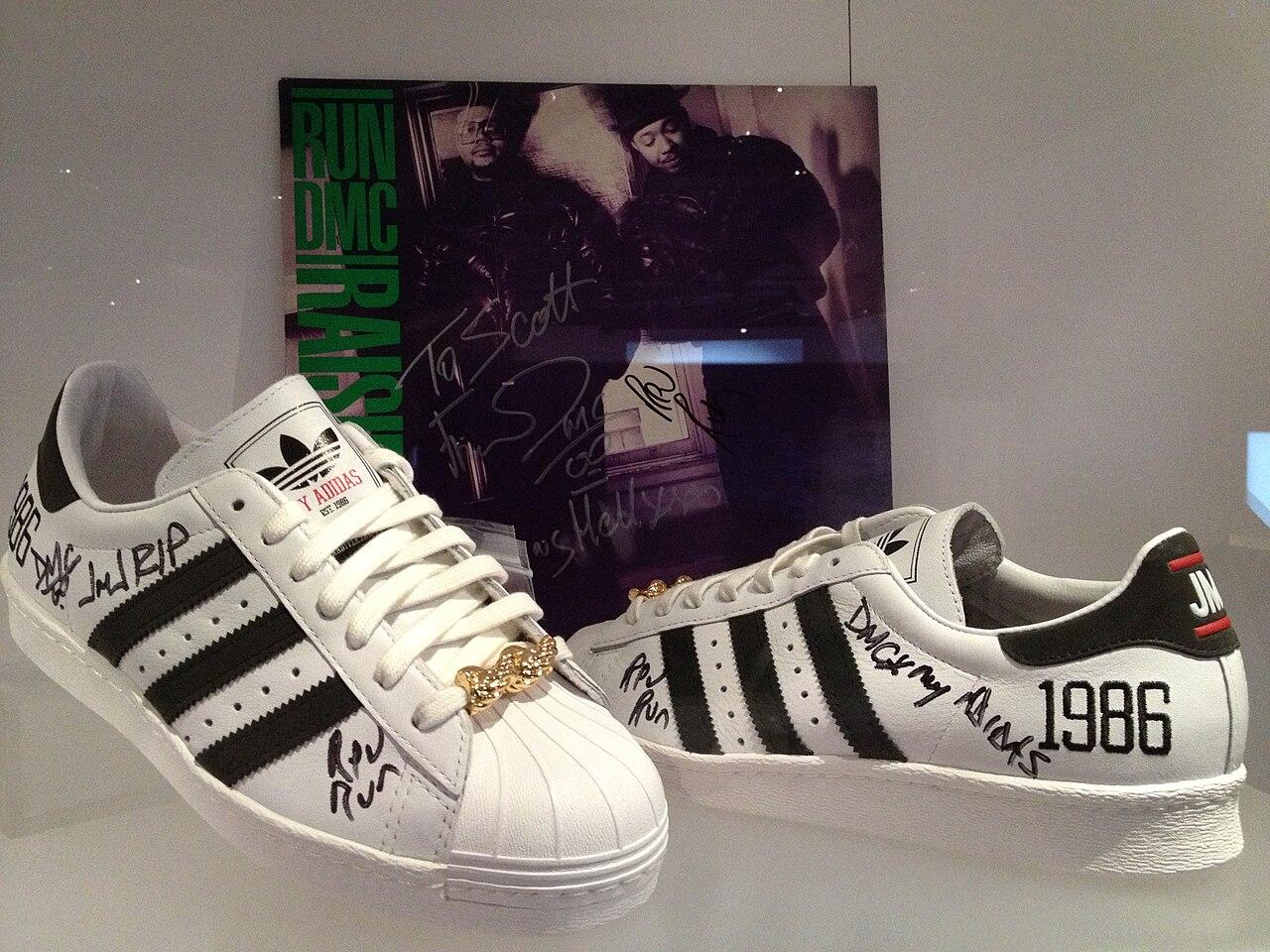
Through the late 1980s and 1990s, hip-hop artists and their audiences adopted brands that had not targeted them: Polo Ralph Lauren's sportswear and flag sweaters, Tommy Hilfiger's oversized logo gear, Timberland boots, and Cazal eyewear became fixtures of a music and visual culture watched by millions of young Americans. Brand responses ranged from discomfort to enthusiasm. Tommy Hilfiger's decision to embrace the audience—supplying artists and leaning into the imagery—is widely credited with turning a preppy label into a mass phenomenon in the mid-1990s. Hip-hop did not merely adopt brands; it demonstrated that consumer culture is created by communities, not only by advertising agencies, and it launched a generation of artist-founded labels that took the profits for themselves.
Sources
- ScholarshipElena Romero. Free Stylin': How Hip Hop Changed the Fashion Industry. Praeger, 2012.
- Primary sourceTommy Hilfiger with Peter Knobler. American Dreamer: My Life in Fashion and Business. Ballantine Books, 2016.