CT · Textile era 1788–1985
Connecticut
Thread, Silk, and the Naugatuck Valley
Connecticut wove Washington's inaugural broadcloth (1789), built one of the world's great thread mills at Willimantic, produced the country's finest silks at the Cheney Brothers mills in Manchester, and, in the Naugatuck Valley, made the rubberized fabrics and footwear that defined American rainwear for a century.
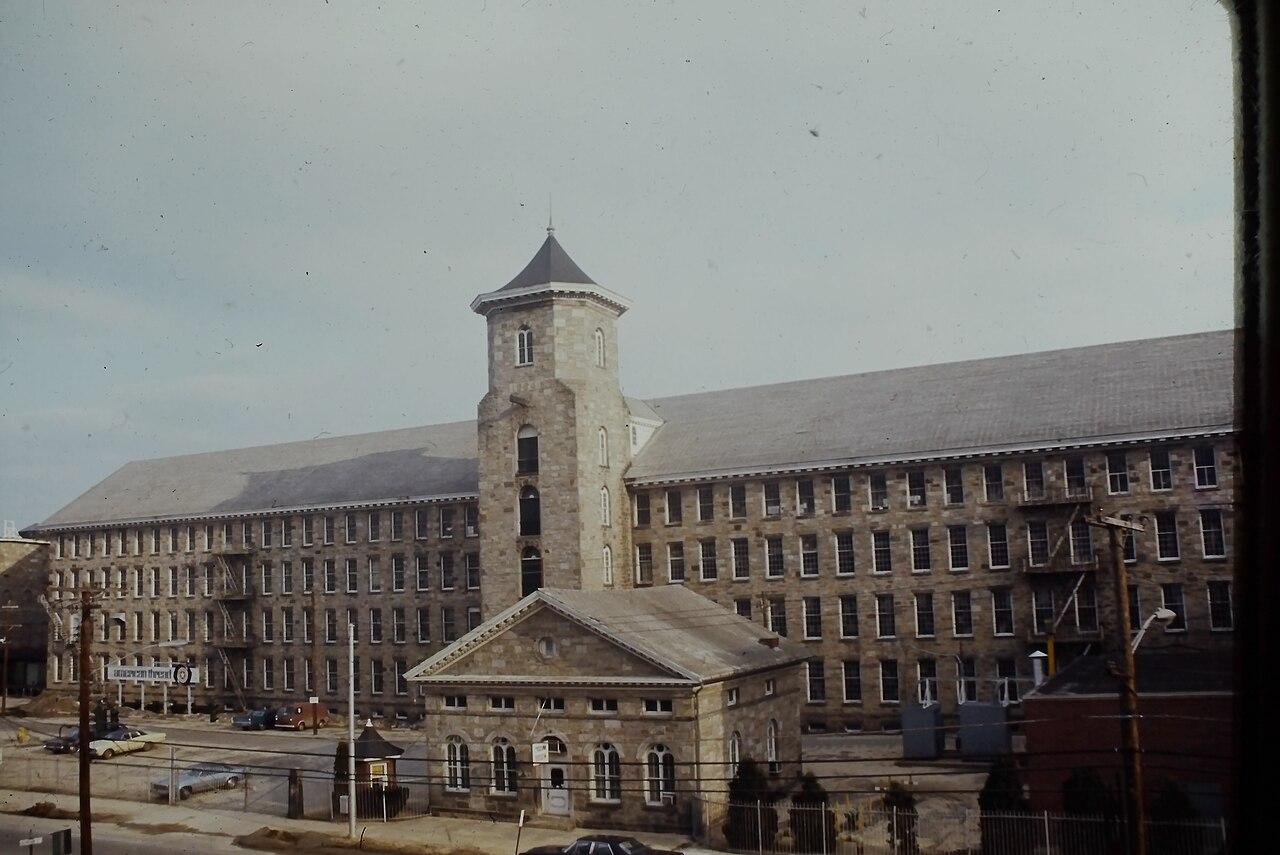
Connecticut's textile contribution was specialized rather than massive. The Hartford Woolen Manufactory, founded in 1788 by Jeremiah Wadsworth and other investors, wove the brown broadcloth for George Washington's 1789 inauguration suit before closing in 1795. The Willimantic Linen Company, founded in 1854, never made much linen: it built its fortune on cotton thread, and by the late nineteenth century its mills ranked among the largest thread works in the world. In 1898 it became part of the American Thread Company, which operated at Willimantic until 1985. In Manchester, the brothers who founded the Mount Nebo Silk Mills in 1838—renamed Cheney Brothers in 1843—built the largest silk manufacturer in the United States, employing about 4,700 people at its peak in the 1920s. Cheney declined after 1923, went bankrupt in 1937, made parachute silk in World War II, and was sold to J.P. Stevens in 1955; its last operation, the Velvet Mill, closed in 1984. Down the Naugatuck Valley, rubber-goods makers in Naugatuck and nearby towns turned fabric into raincoats, boots, and footwear for civilians and soldiers alike.
What remains
The Windham Textile and History Museum (the Mill Museum) in Willimantic preserves the story of the thread mills and their workers. The Cheney Brothers Historic District in Manchester was designated a National Historic Landmark in 1978.
Sources
- ScholarshipThe Cheney Silk Mills. Manchester Historical Society.
- Archive / museumCheney Brothers (corporate record). SNAC (Social Networks and Archival Context).
- ScholarshipJeremiah Wadsworth. ConnecticutHistory.org.
- ScholarshipRecreating Washington's Inaugural Suit. George Washington's Mount Vernon.