Tragedy · Chapter 09, 1861–1865
The Spread of 'Shoddy'
War profiteering, recycled rags, and a word that entered everyday speech.
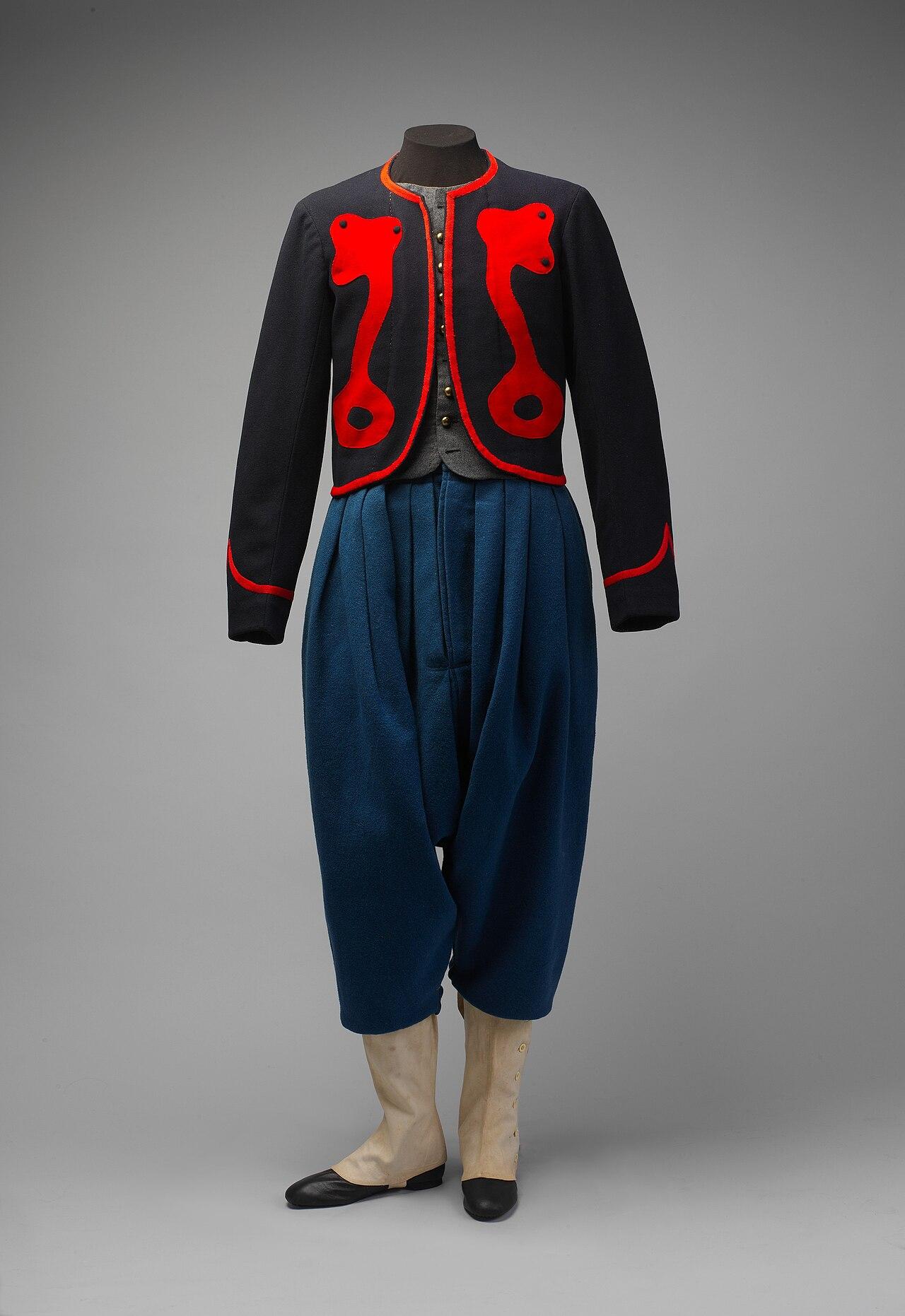
'Shoddy' was a Yorkshire woolen-trade term, decades old by 1861, for fiber recovered by shredding woolen rags and respinning it—material that could be made to look like new cloth but lacked its strength. In the first months of the Civil War, overwhelmed state and federal buyers accepted uniforms and blankets that, soldiers complained, fell apart after a march or a rain. The most notorious case involved Brooks Brothers, which in April 1861 contracted with New York State for 12,000 uniforms at $19.50 each. Short of regulation cloth, the firm substituted inferior material; recruits complained of ill-fitting garments missing buttons and buttonholes, and a state investigation found that inspectors' certificates had been handed to the contractors to attach as they pleased. Brooks Brothers ultimately supplied 2,350 replacement suits, worth about $45,000, at no charge. Newspapers seized on the scandal, and 'shoddy' passed from textile jargon into the American vocabulary for cheap goods, dishonest work, and the newly rich 'shoddy aristocracy' of war contractors.
Sources
- Government recordCommunication from the Governor transmitting the report of the Board of State Officers named in the act of April 16, 1861. State of New York (via HathiTrust), 1862.
- ScholarshipThe Union's 'Shoddy' Aristocracy. The New York Times (Opinionator), 2011.
- ScholarshipShoddy, Material Culture, and the American Civil War (doctoral dissertation). West Virginia University Research Repository.