Labor · Chapter 04, 1790–1810
The Rhode Island System
America's first factory system built on the labor of children.
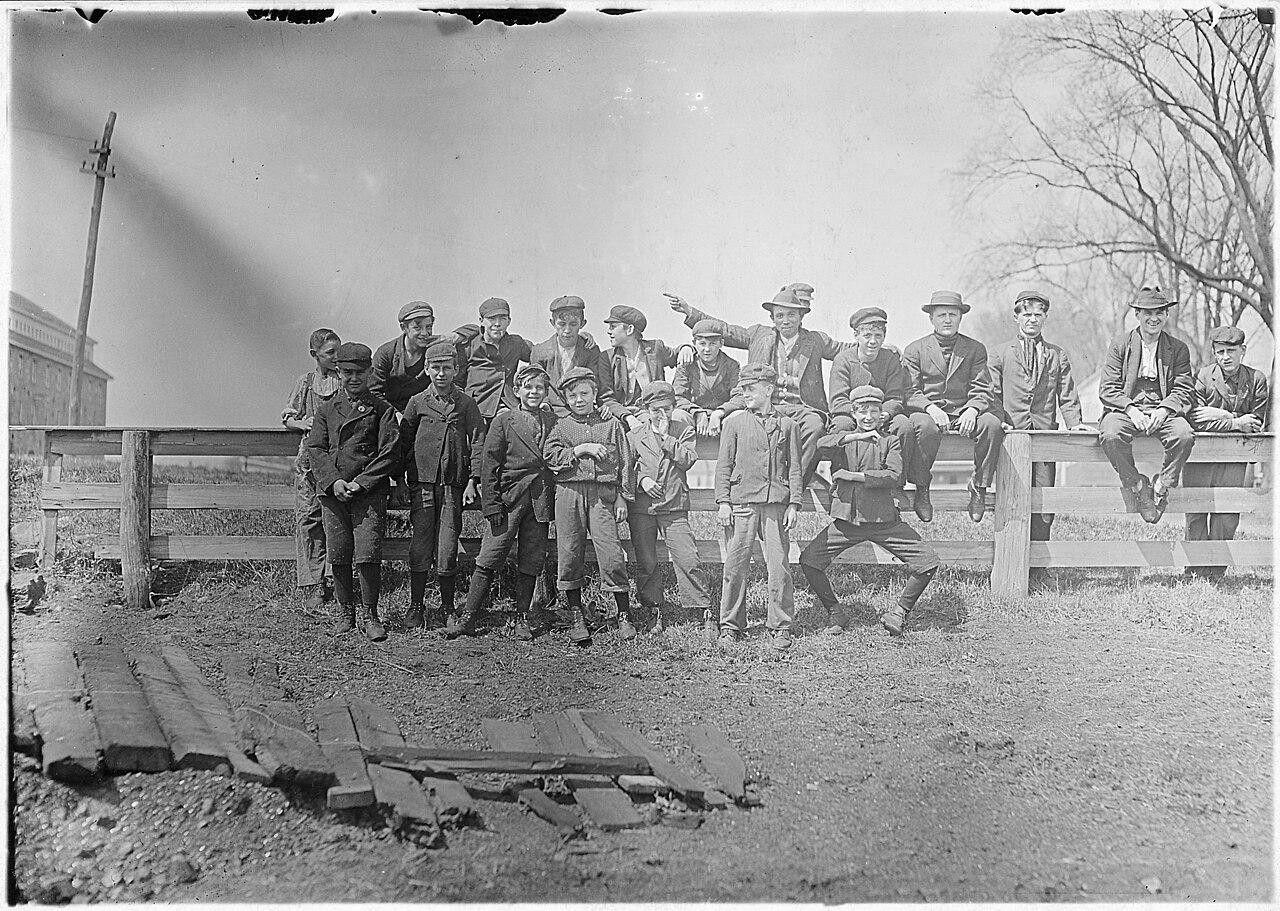
Slater's labor model drew on what he had seen in Derbyshire. His first workforce at Pawtucket was nine children between seven and twelve years old. As mills spread through the Blackstone Valley, owners hired entire families as a unit, housed them in company tenements, and frequently paid part of their wages in credit at the company store rather than in cash. Children made up a large share of the early Rhode Island mill workforce, tending spinning frames for days that could run twelve hours or more. Contemporary promoters praised the system as a moral alternative to British factory squalor, but its core arrangement—a family's housing, credit, and livelihood all dependent on the mill owner—became a template for company towns from the Blackstone Valley to the Carolina Piedmont.
Sources
- Government recordSlater Mill. National Park Service, Blackstone River Valley National Historical Park.
- Government recordGoing in Circles: A Revolution Along the Blackstone. National Park Service.
- Government recordSamuel Slater. National Park Service, Blackstone River Valley National Historical Park.