A thread through time
Slavery & Race
How did race shape who grew the fiber, who ran the mills, and who was kept out?
The cotton economy rested on enslaved labor, and the Southern mill that followed was built as a whites-only workplace. Trace that line from the plantation to the Civil Rights Act.
12 stories across 7 chapters
1790–1810 · The Industrial Spy
BiographyMoses Brown: The Quaker Capitalist
The abolitionist financier whose family fortune was tangled with slavery.
Read the story →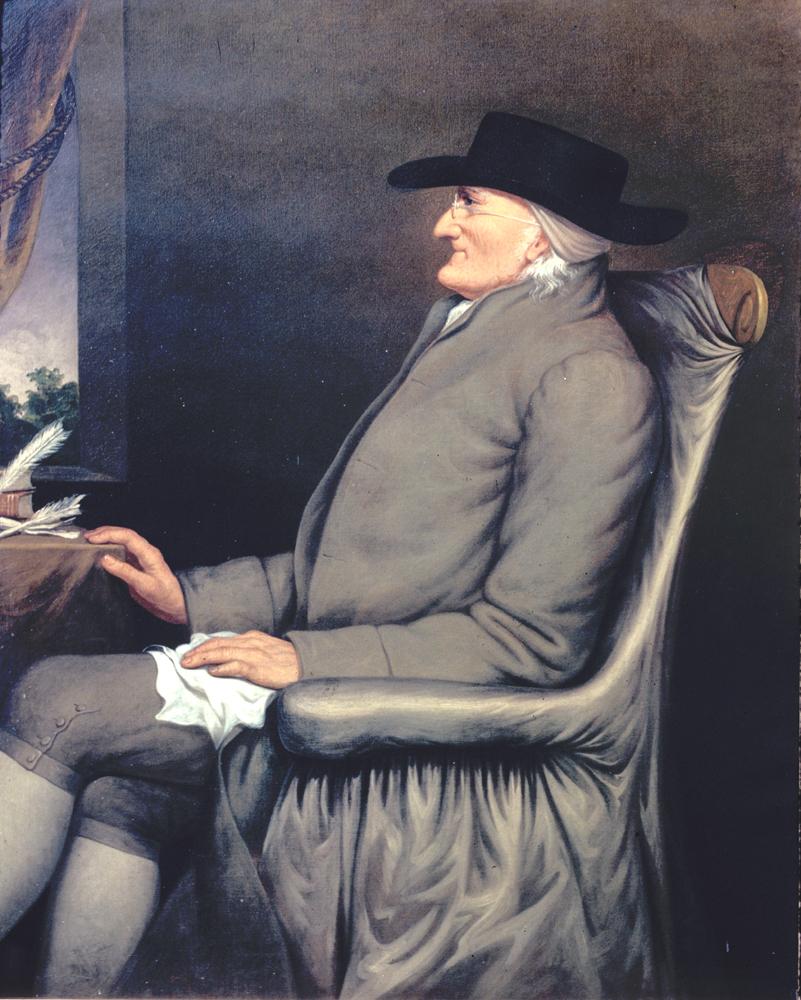
Martin Johnson Heade, "Moses Brown," oil on canvas, 1857 (posthumous). Brown University Portrait Collection. Public domain. 1793–1850 · The Cotton Kingdom
TragedyThe Second Middle Passage
The forced migration that built the Cotton Kingdom.
Read the story →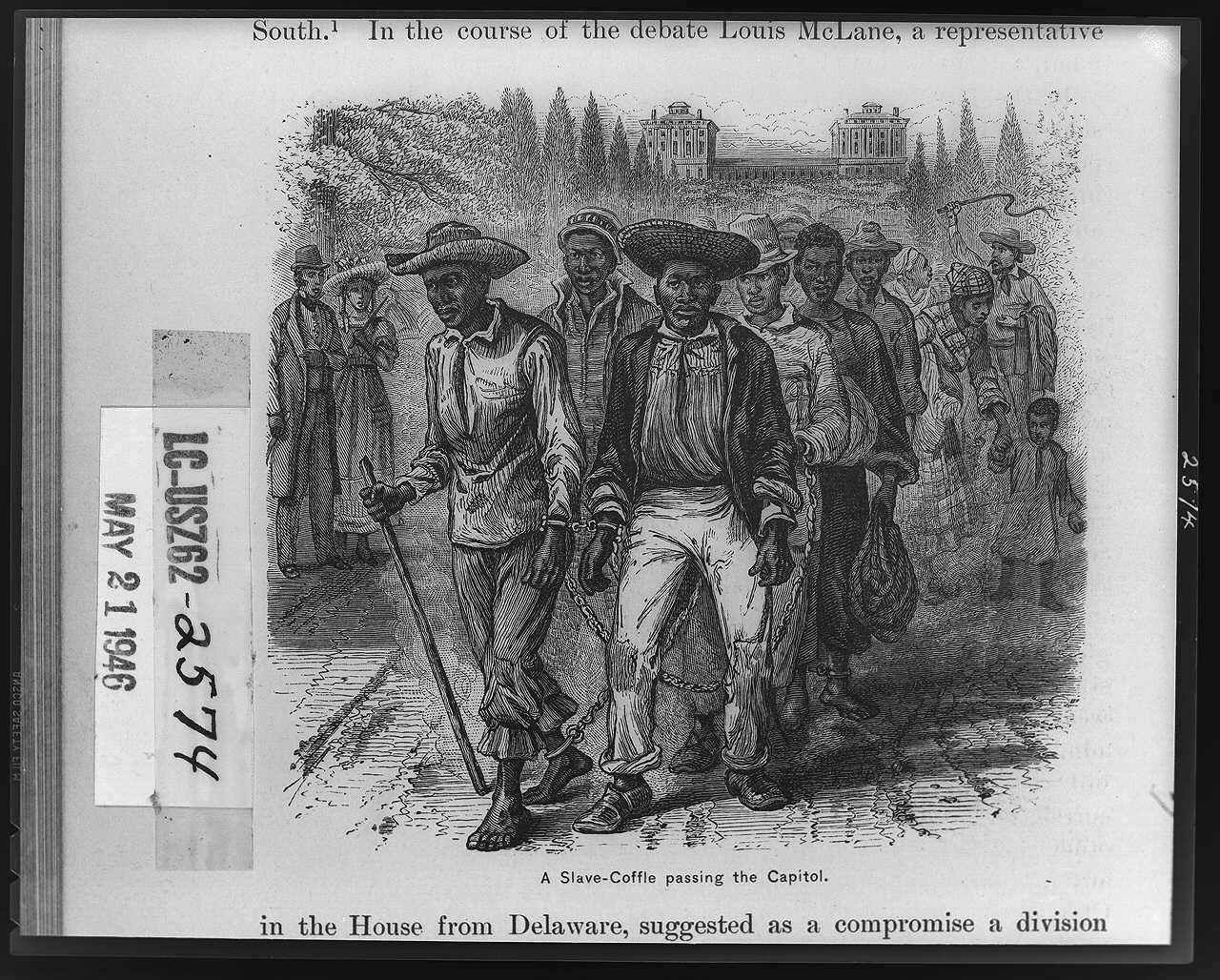
"A slave-coffle passing the Capitol," wood engraving, 1876. Library of Congress Prints and Photographs Division (LCCN 98510280). Public domain. - Impact
Lords of the Loom, Lords of the Lash
The political alliance between Boston mill owners and Southern planters.
Read the story →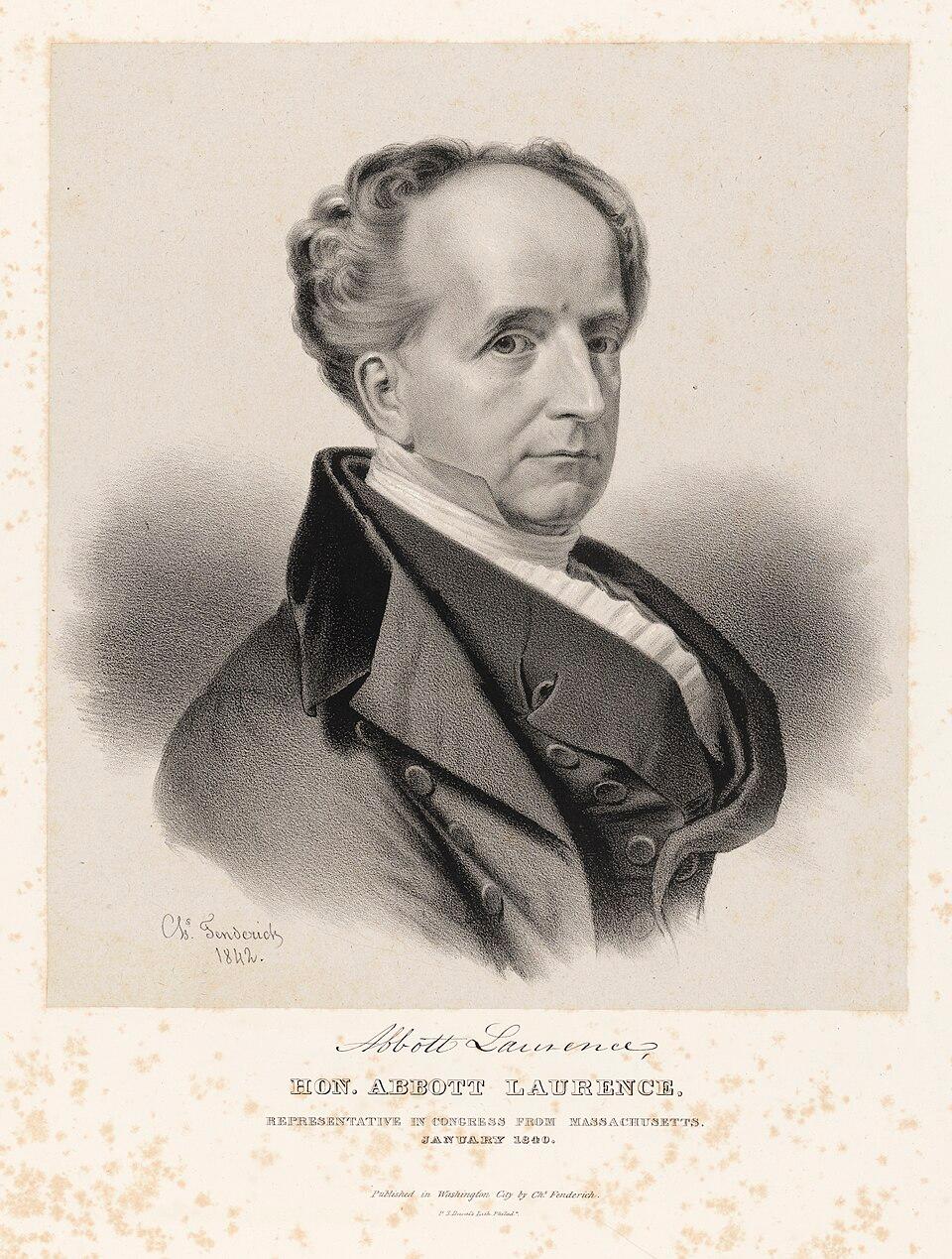
Charles Fenderich, "Abbott Lawrence," lithograph, 1844. National Portrait Gallery, Smithsonian Institution (NPG.66.88). CC0. - Biography
Eli Whitney's Patent Trap
The inventor of the gin made little from it.
Read the story →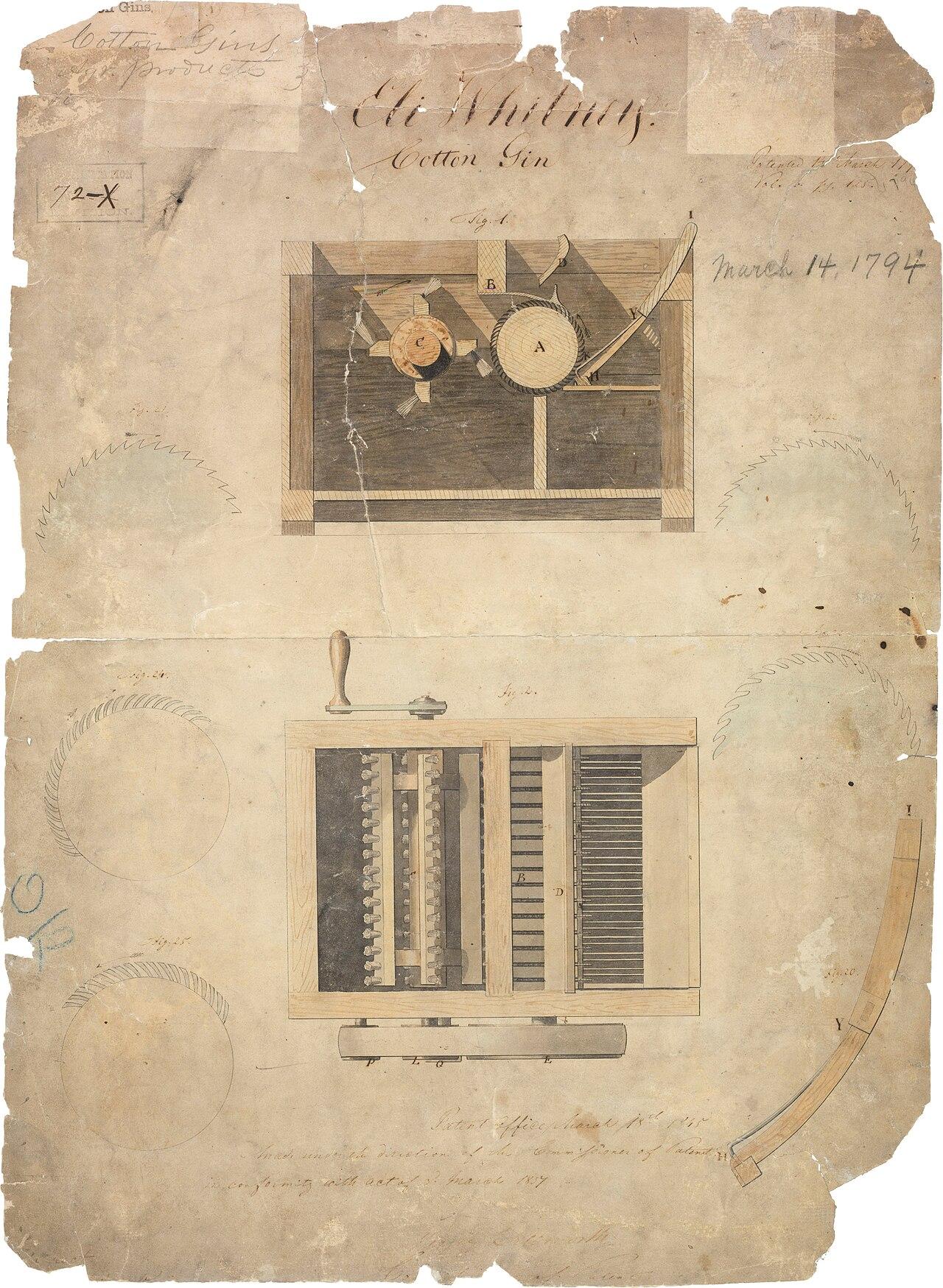
Eli Whitney, patent drawing for the cotton gin, March 14, 1794. Records of the Patent and Trademark Office (Record Group 241), U.S. National Archives. Public domain. - Tragedy
The Hands That Picked
The enslaved people who grew the cotton, as named individuals and as the largest financial asset in the American economy.
Read the story →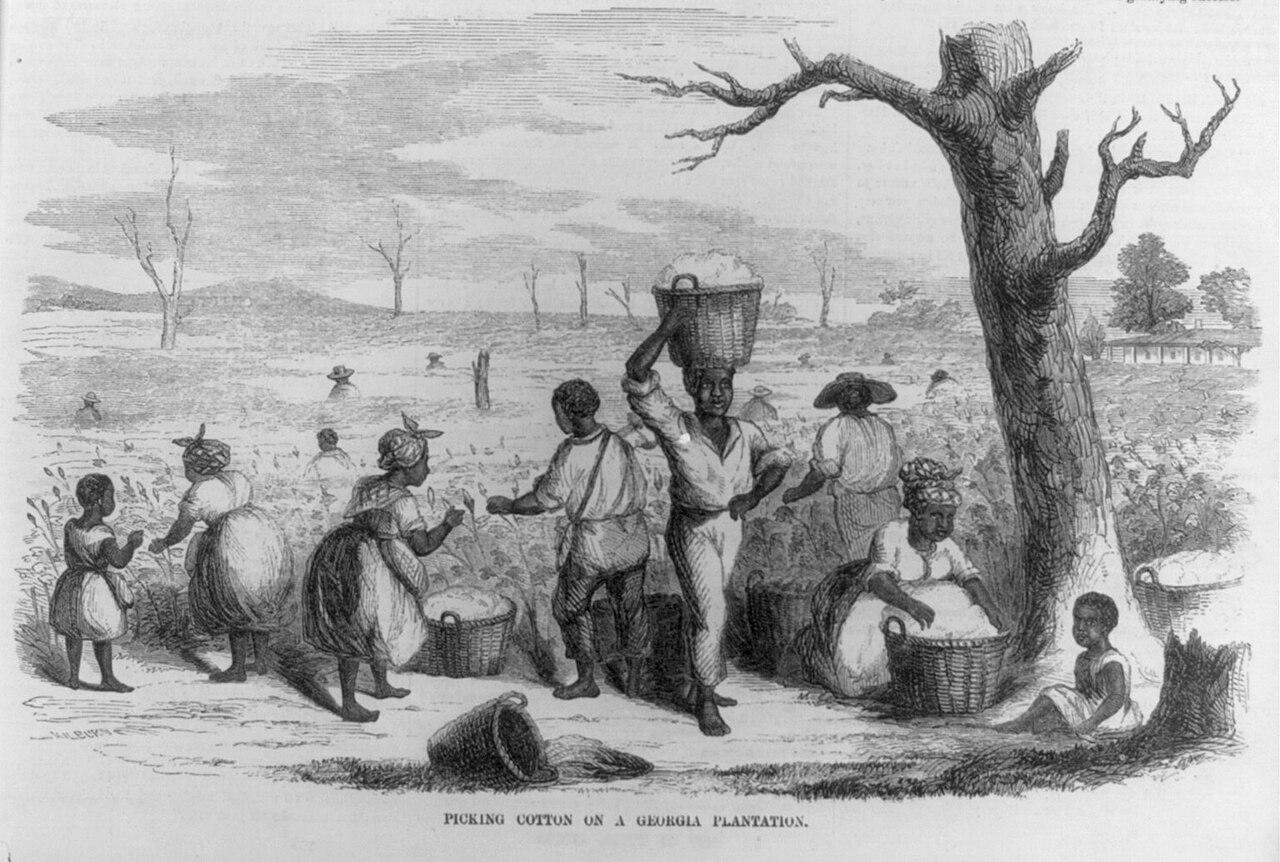
"Picking cotton on a Georgia plantation," wood engraving, 1858. Library of Congress Prints and Photographs Division (LCCN 2002698525). Public domain. 1861–1865 · Uniforms of Conflict
InnovationMeasuring the Union Army
How wartime measurement shaped ready-made sizing—and what the myth of 'S, M, L' gets wrong.
Read the story →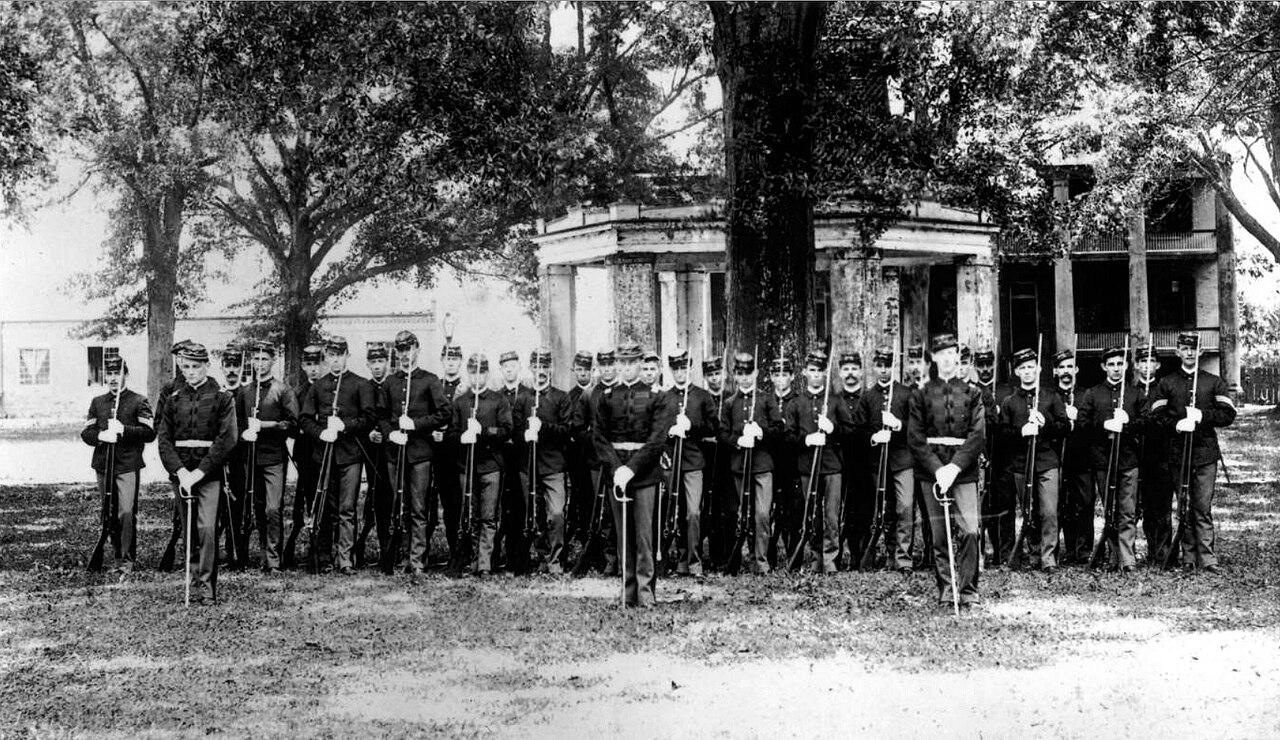
Andrew D. Lytle, Union soldiers in formation, Baton Rouge, Louisiana. Andrew D. Lytle Collection, Louisiana State University Libraries Special Collections. Public domain. - Impact
Uniforms and the Black Soldier
When the right to wear blue was an argument for citizenship.
Read the story →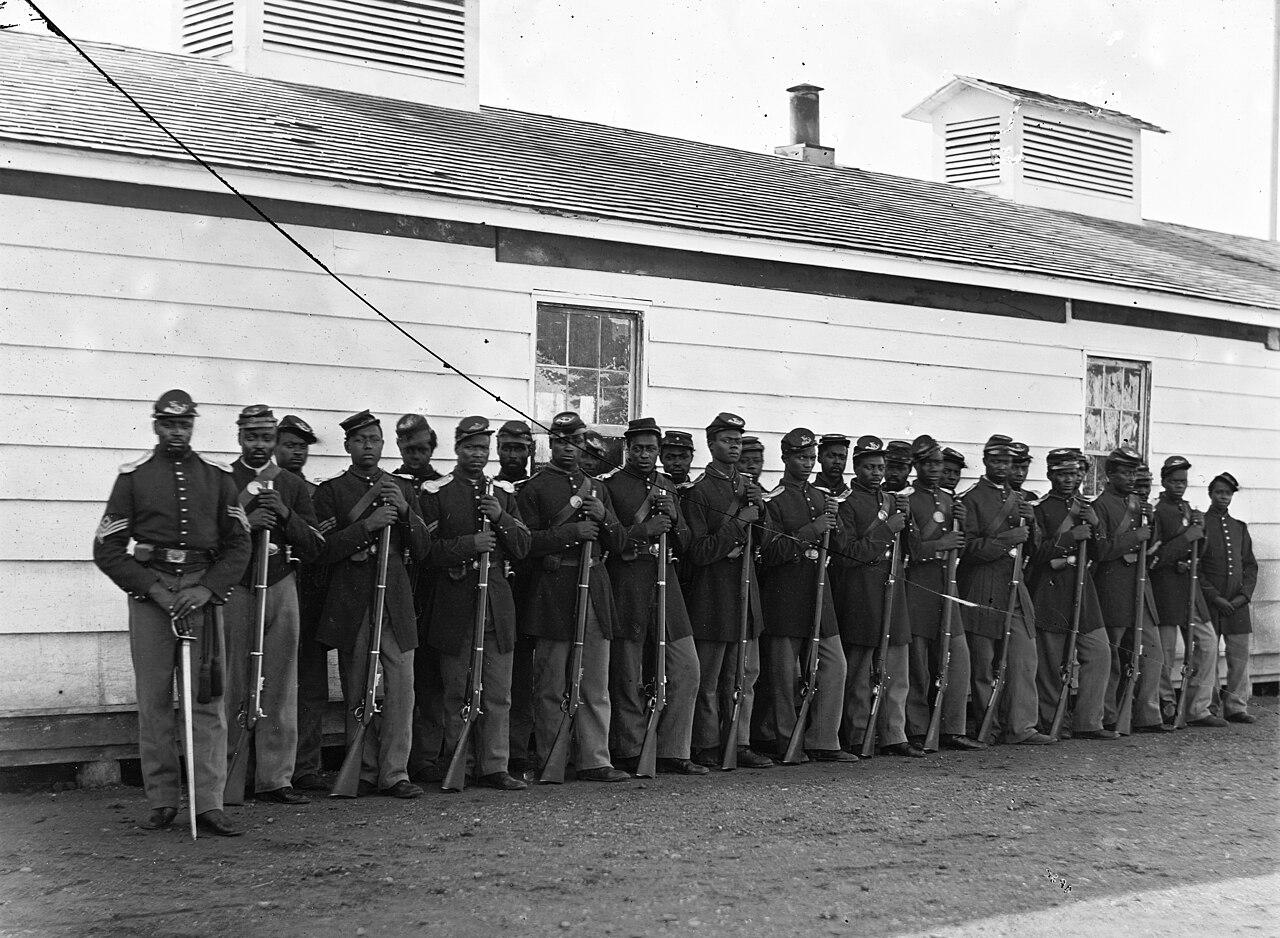
William Morris Smith, "District of Columbia. Company E, 4th U.S. Colored Infantry, at Fort Lincoln." Library of Congress, Civil War Glass Negatives (cwpb.04294). Public domain. 1880–1920 · The Gilded Age of Wool
ImpactThe Piedmont Mill Village
A new social order built around the Southern cotton mill.
Read the story →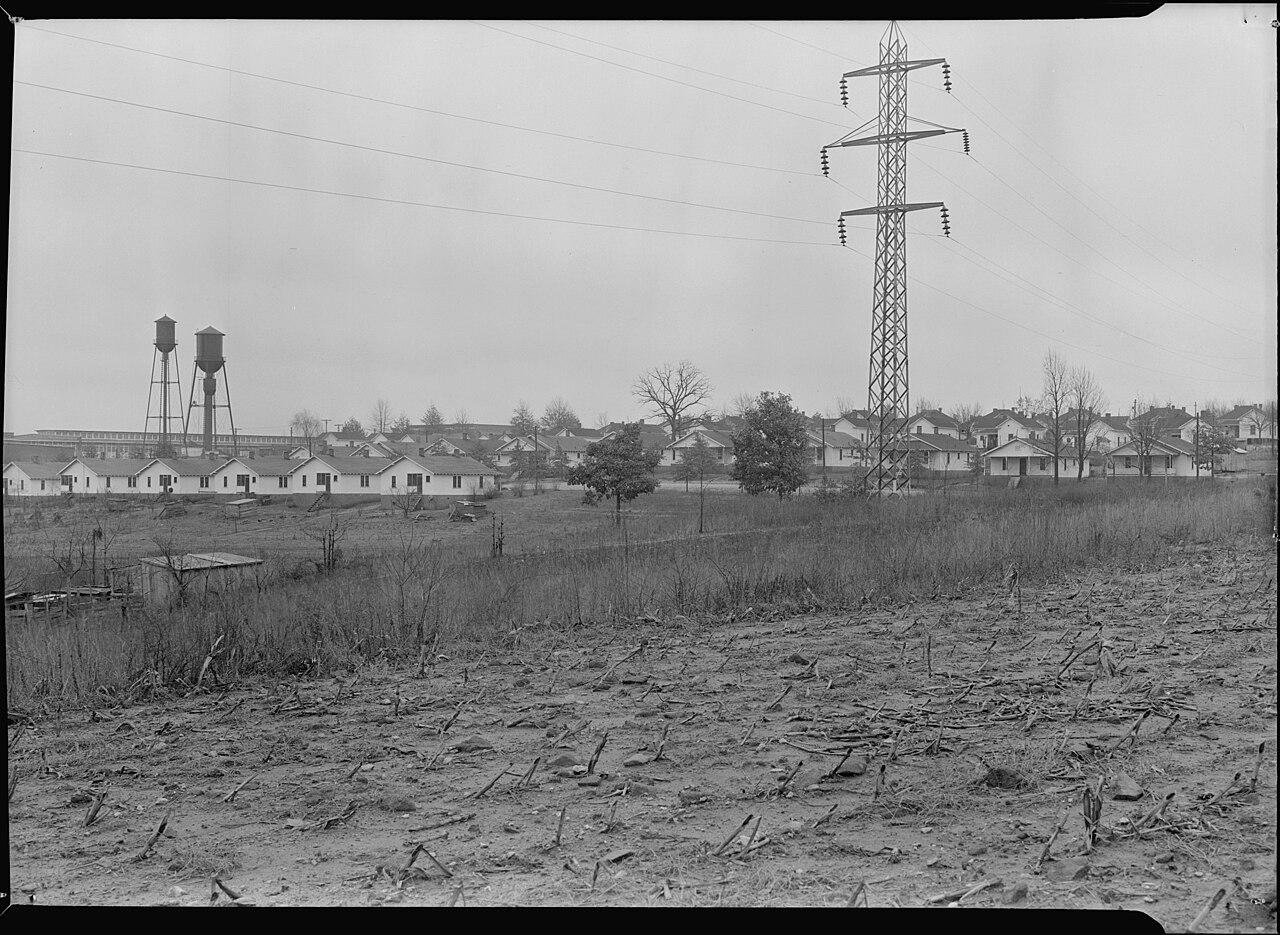
Lewis Wickes Hine, "High Point, North Carolina-Housing. General view of company-owned mill village-Highland Yarn Mills," 1936-1937. Works Progress Administration National Research Project, U.S. National Archives and Records Administration (NAID 518534). Public domain. 1920–1930 · The Electric Loom
BiographyElla May Wiggins: The Singer of Gastonia
A mill mother shot dead on the road to a union rally in 1929.
Read the story →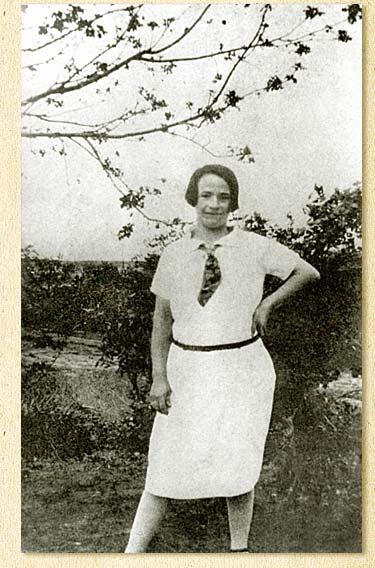
Unidentified photographer, Ella May Wiggins. Public domain in the United States, via English Wikipedia. 1960-1985 · The Long Integration
LaborOpening the Mill Gates
How Black workers used Title VII to integrate the South's largest industry.
Read the story →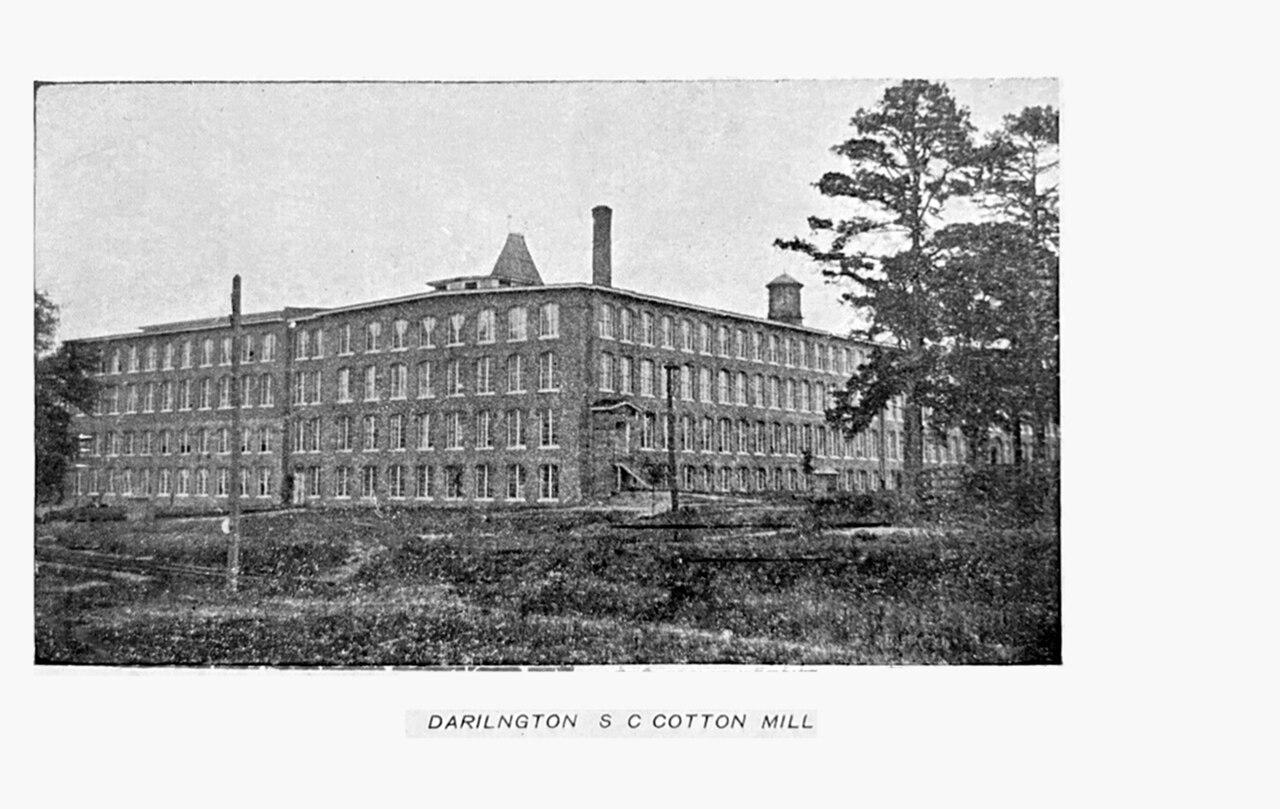
Illustrated Post Card Co., "Darlington, S.C. Cotton Mill," tinted halftone postcard, c. 1905. Public domain, via Wikimedia Commons. 1980–2000 · The Branded Empire
BiographyAir Jordan and the Sneaker Economy
How a basketball shoe became a foundation of modern brand culture.
Read the story →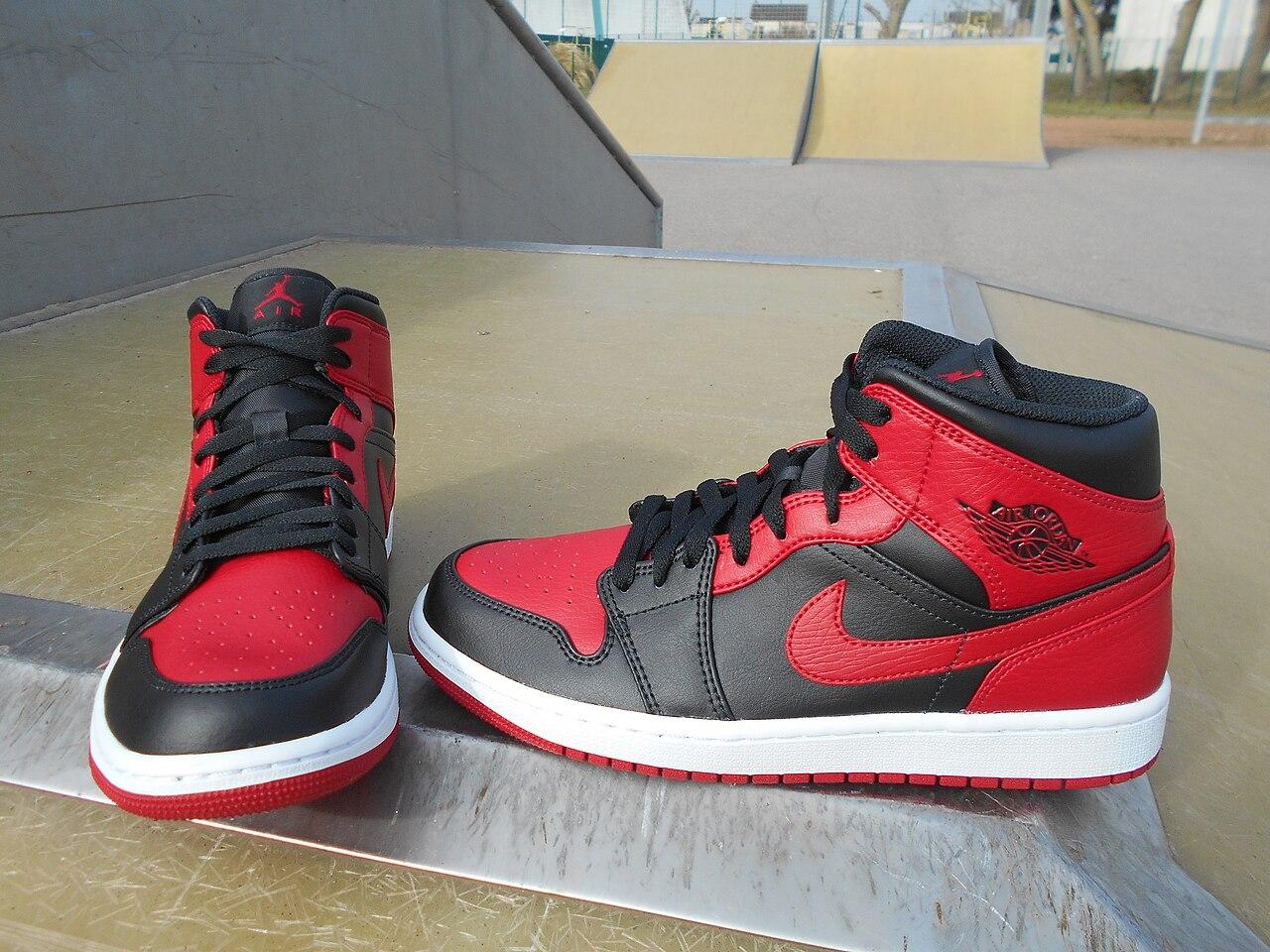
HI 622, "Air Jordan 1 Banned" (2021). Wikimedia Commons, CC BY-SA 4.0. - Impact
Hip-Hop and the Logo
How a culture that brands did not market to redefined their reach.
Read the story →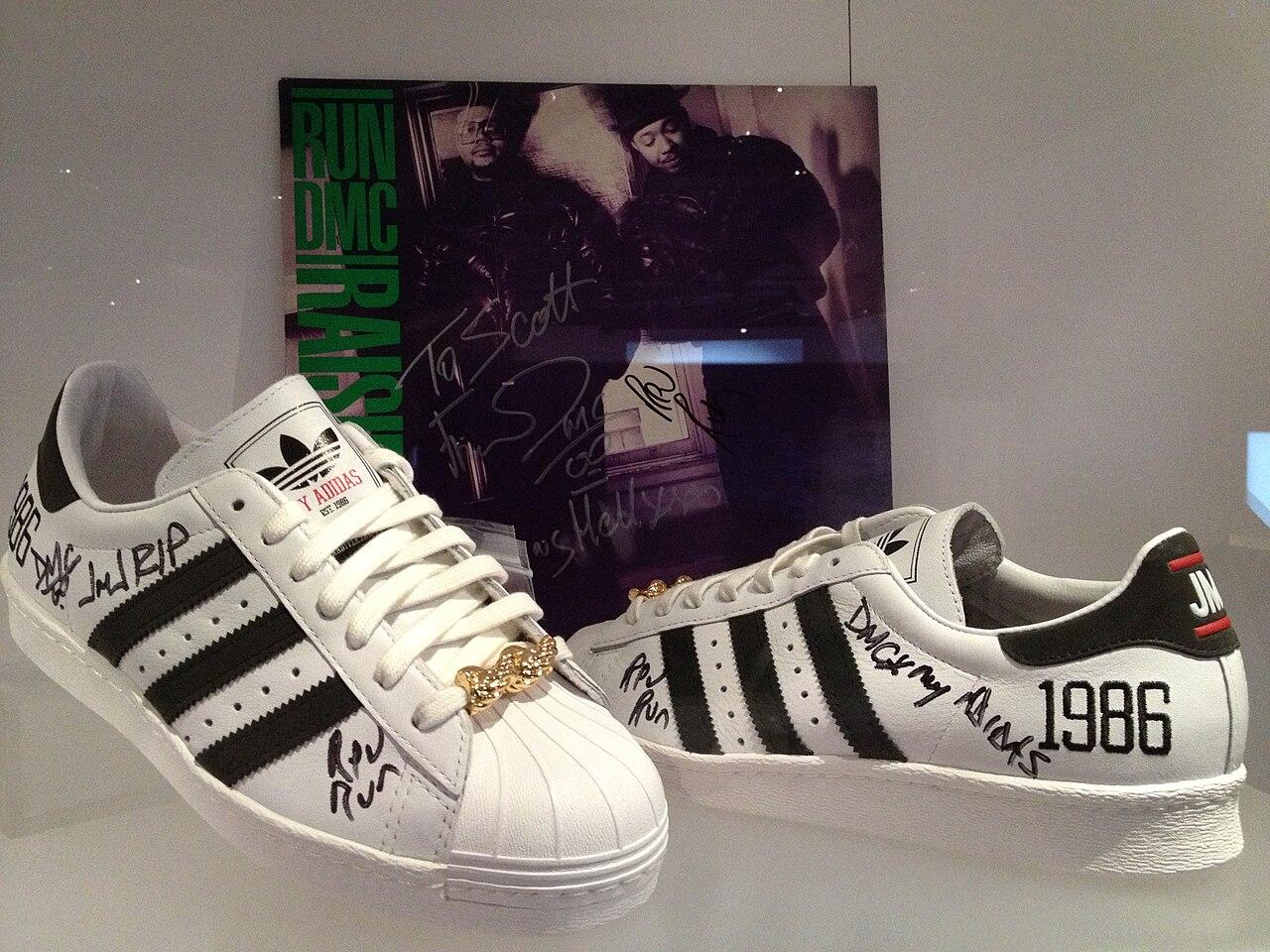
rrafson, "Run DMC Adidas," Bata Shoe Museum, Toronto (2013). Wikimedia Commons, CC BY-SA 3.0.
Other threads
- Labor & OrganizingWho did the work, and what did it take for them to be heard?
- Women at WorkWhy was the textile industry so often built on the labor of women and girls?
- ImmigrationHow did the mills remake who Americans were?
- ChildhoodWhat did it mean to grow up in a mill?
- Machines & MaterialsDid new technology free workers or bind them more tightly?
- Health & SafetyWhat did it cost in lives before workplaces were made safe?
- Law & PolicyHow did government decide whose side to take?
- Global TradeWhere does your shirt come from, and who decides?
- Land & EnvironmentWhat did the industry take from the land and water?