SC · Textile era 1790–2006
South Carolina
Spindles and the Honea Path Line
South Carolina built much of its modern industrial identity around cotton textiles. Greenville promoted itself as 'the Textile Center of the South,' and the Upstate counties held one of the densest concentrations of mill villages in the country. On September 6, 1934, deputized mill men at the Chiquola Mill in Honea Path shot down strikers, killing six that day and a seventh later—the deadliest single episode of the 1934 General Textile Strike.
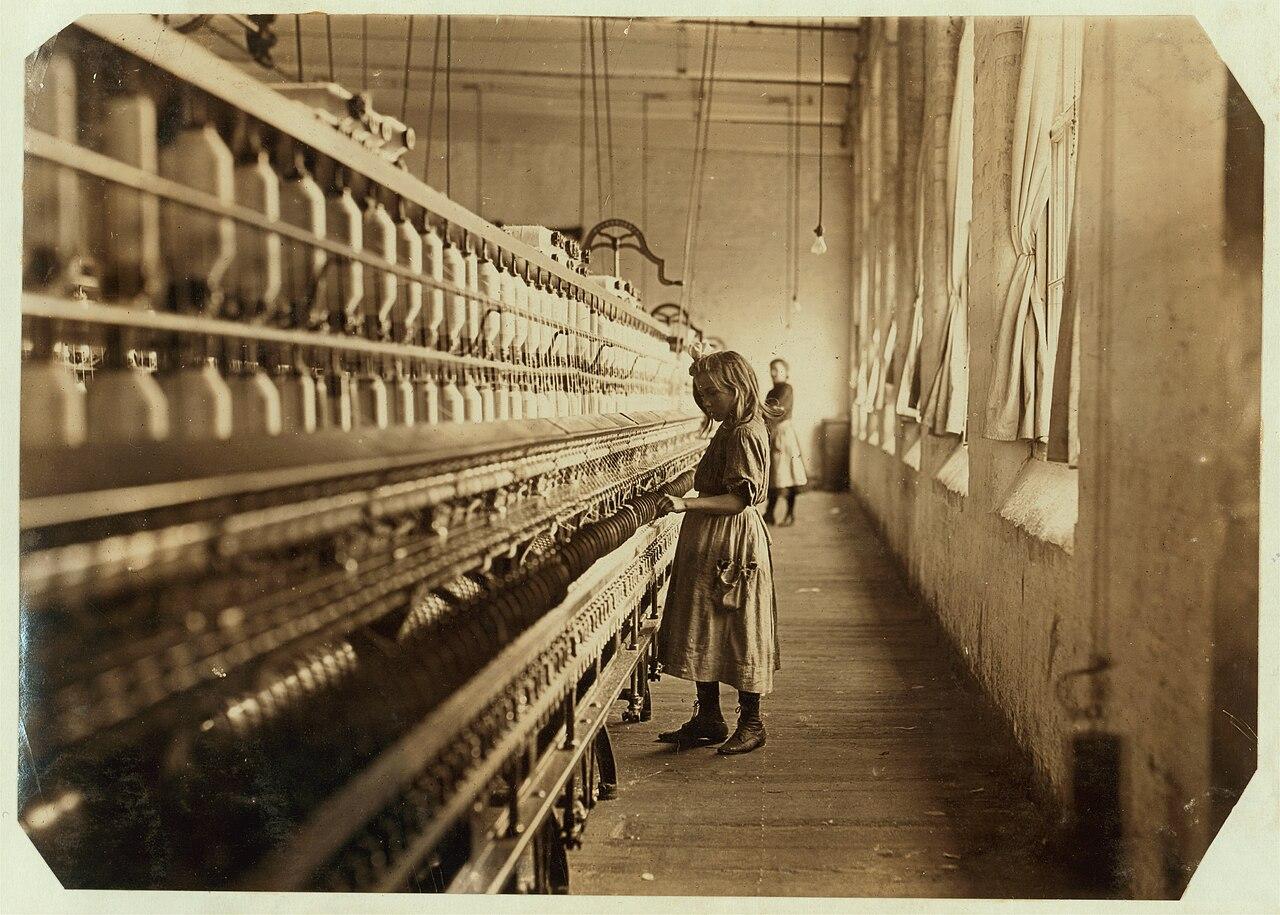
South Carolina's first cotton mill was reportedly a small water-powered spinning works near Stateburg in 1790, and several antebellum mills, some using enslaved labor, followed along the fall line. William Gregg, who had revived the Vaucluse mill in the late 1830s, campaigned for Southern industry and won a charter for the Graniteville Manufacturing Company in December 1845; its granite mill began operating in 1849 with a deliberately all-white workforce housed in a planned village, setting a pattern for what came later. The state's industrial era began in earnest in the 1880s, as local and Northern capital built mill villages across Spartanburg, Greenville, and Anderson counties. Springs Mills in Lancaster County and Milliken & Company in Spartanburg became giants of the postwar era. The 1934 General Textile Strike found its most violent expression here: at Honea Path, deputized mill loyalists fired on pickets, killing six on the spot and fatally wounding a seventh. Eleven men were tried and acquitted, and for decades the killings were rarely spoken of; a memorial was not dedicated until 1995. The state's legacy industry contracted sharply between the mid-1990s and the mid-2000s; Milliken survives as a major producer of technical textiles and chemicals.
In memoriam: industrial tragedies
1934Honea Path Massacre
7
Deputized mill men fire on pickets at the Chiquola Mill; six die that day and a seventh later. Eleven men are tried and acquitted.
What remains
The Honea Path memorial, a granite monument bearing the names of the seven dead, was dedicated on Memorial Day 1995 in a park behind the town hall. The Chiquola Mill, which ran until 2003, was demolished in 2026. Milliken & Company, headquartered in Spartanburg, remains one of the largest privately held textile companies in the world.
Stories set here
Sources
- ScholarshipTextile Industry. South Carolina Encyclopedia.
- ScholarshipGraniteville Company. South Carolina Encyclopedia.
- ScholarshipHonea Path. South Carolina Encyclopedia.
- ScholarshipChiquola Mill, site of Bloody Thursday, torn down. WYFF News 4.