Impact · Chapter 20, 2010–2020
The PPE Pivot of 2020
What was left of the U.S. textile base, in a crisis.
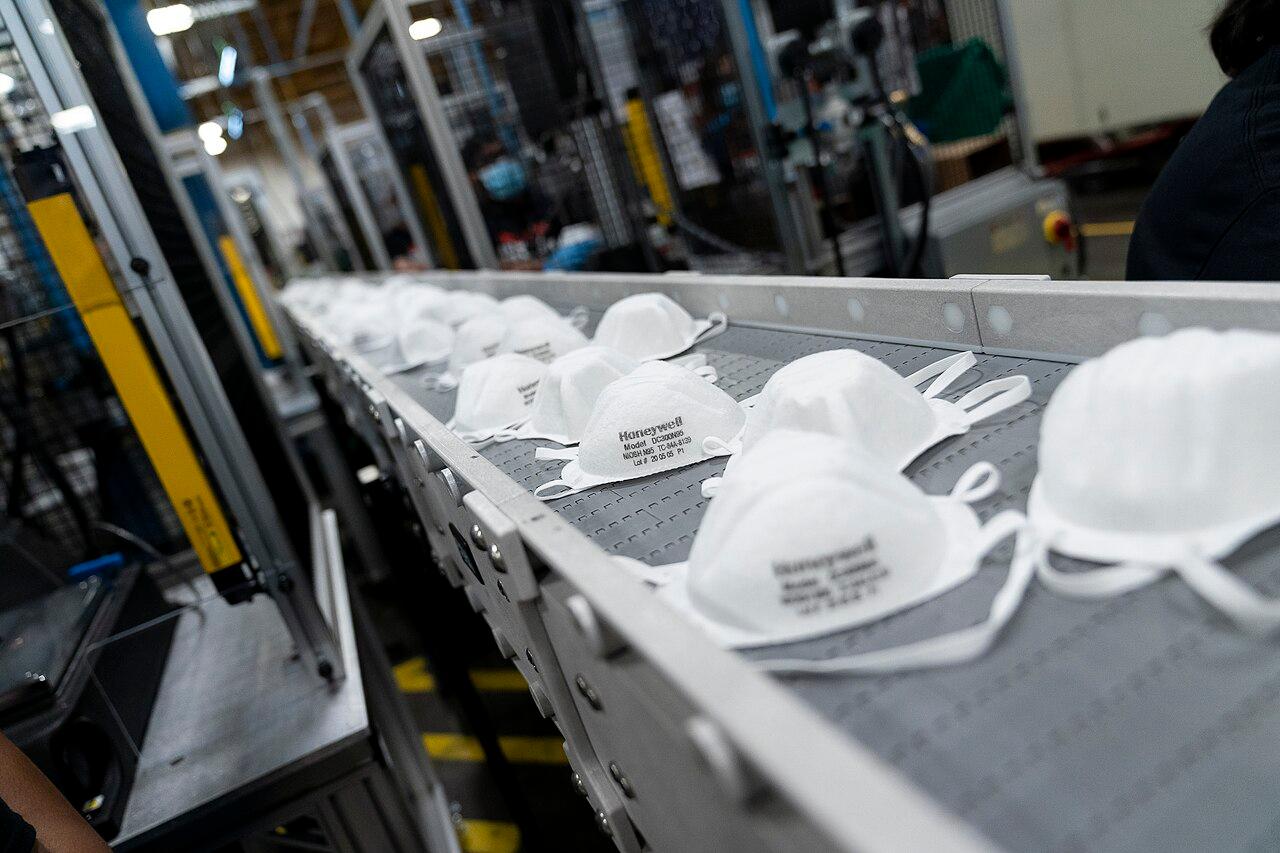
In the spring of 2020, American hospitals ran short of masks, gowns, and other protective equipment as global demand spiked and supply chains seized. Working through industry associations including the National Council of Textile Organizations, a consortium of apparel and textile firms—among them Hanesbrands, Fruit of the Loom, the yarn spinner Parkdale, and the knitters Beverly Knits and Contempora Fabrics—converted production to washable three-ply cotton face coverings for the Department of Health and Human Services, with a target of some 320 million masks. Hanesbrands, which had no U.S. sewing plants by then, retooled its factories in El Salvador, the Dominican Republic, and Honduras, and it also produced more than twenty million reusable medical gowns for distribution by FEMA. The cloth face coverings were not medical-grade respirators, and shortages of N95s and surgical masks persisted. The pivot demonstrated both the strategic value of the regional textile network that remained and the fragility of a system that had offshored nearly every protective garment its hospitals depended on.
Sources
- ScholarshipOne Billion Gowns by August. Textile Insight, 2020.
- ScholarshipHanesbrands produces medical gowns in addition to face masks. Knitting Industry, 2020.
- ScholarshipSet to Make 320M Masks, CEO Expects Hanesbrands to 'Thrive' Long Term. Sourcing Journal / WWD, 2020.