Biography · Chapter 20, 2010–2020
The Direct-to-Consumer Revolution
How the internet opened a niche for small American-made apparel brands.
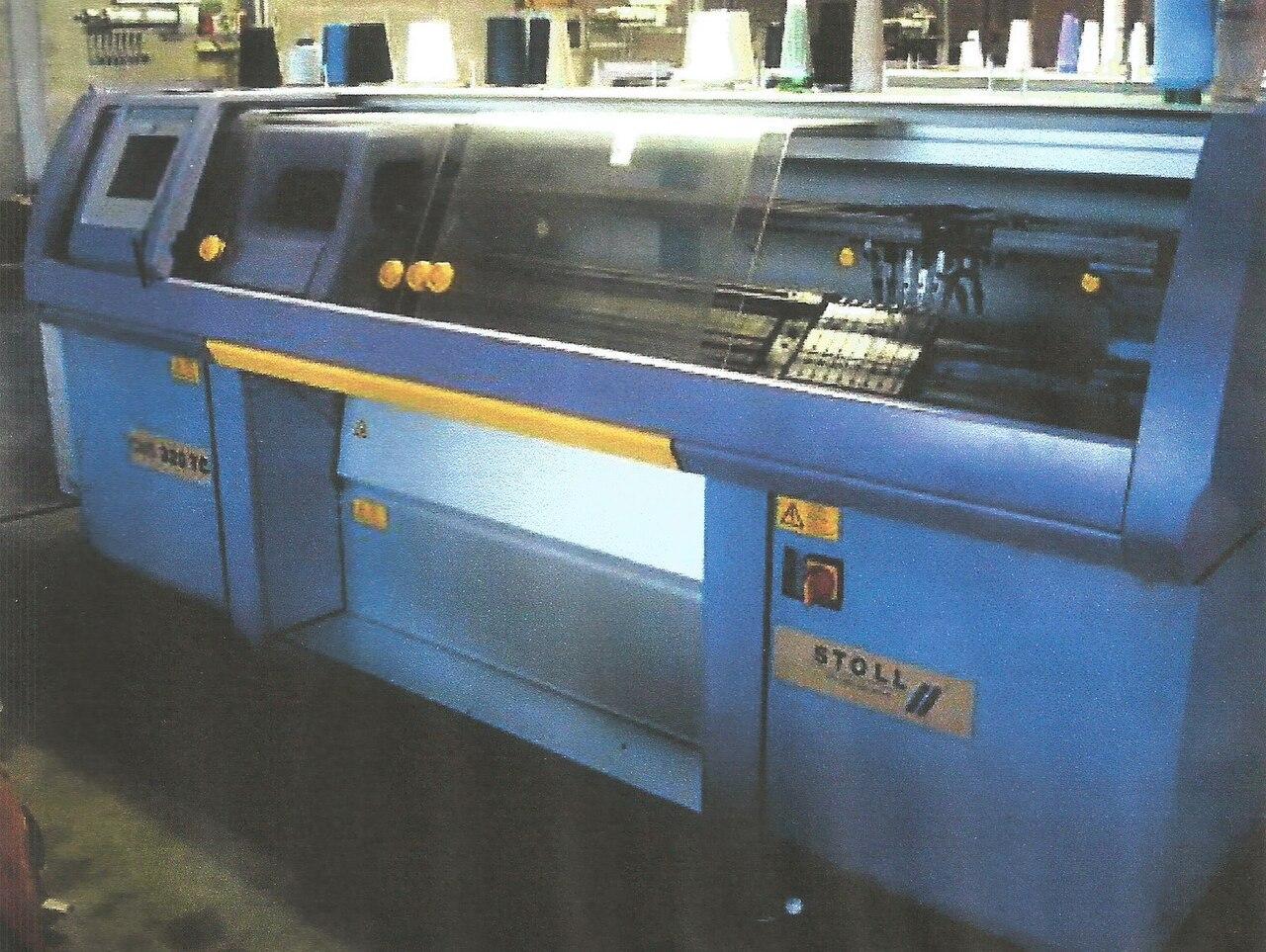
Through the 2010s, a wave of digitally native brands reorganized apparel commerce around small batches and direct sale to customers online. Most manufactured overseas, but a visible minority built their identity on domestic production-sewing sweatshirts, jeans, and basics in the Carolinas, California, and New York, and buying fabric from surviving American mills. Cone's White Oak plant in Greensboro, for example, sold its selvedge denim not only to Levi's but to small labels such as Tellason and Raleigh Denim, for which American cloth was itself the selling point. When White Oak closed at the end of 2017, those brands lost the last American selvedge-denim source. The direct-to-consumer model did not rebuild the industry at its old scale, but it proved that a market existed for domestic apparel when a brand owned its relationship with the customer and could tell the story of where its clothes were made.
Sources
- ScholarshipLoom Lore: New Book Documents White Oak's Final Days. WWD.
- ScholarshipCone Mills to Close White Oak Plant, Last American Selvedge Denim Mill. Heddels, 2017.