Impact · Chapter 13, 1920–1930
The Great Piedmont Migration
How electricity and cheap labor moved an industry south.
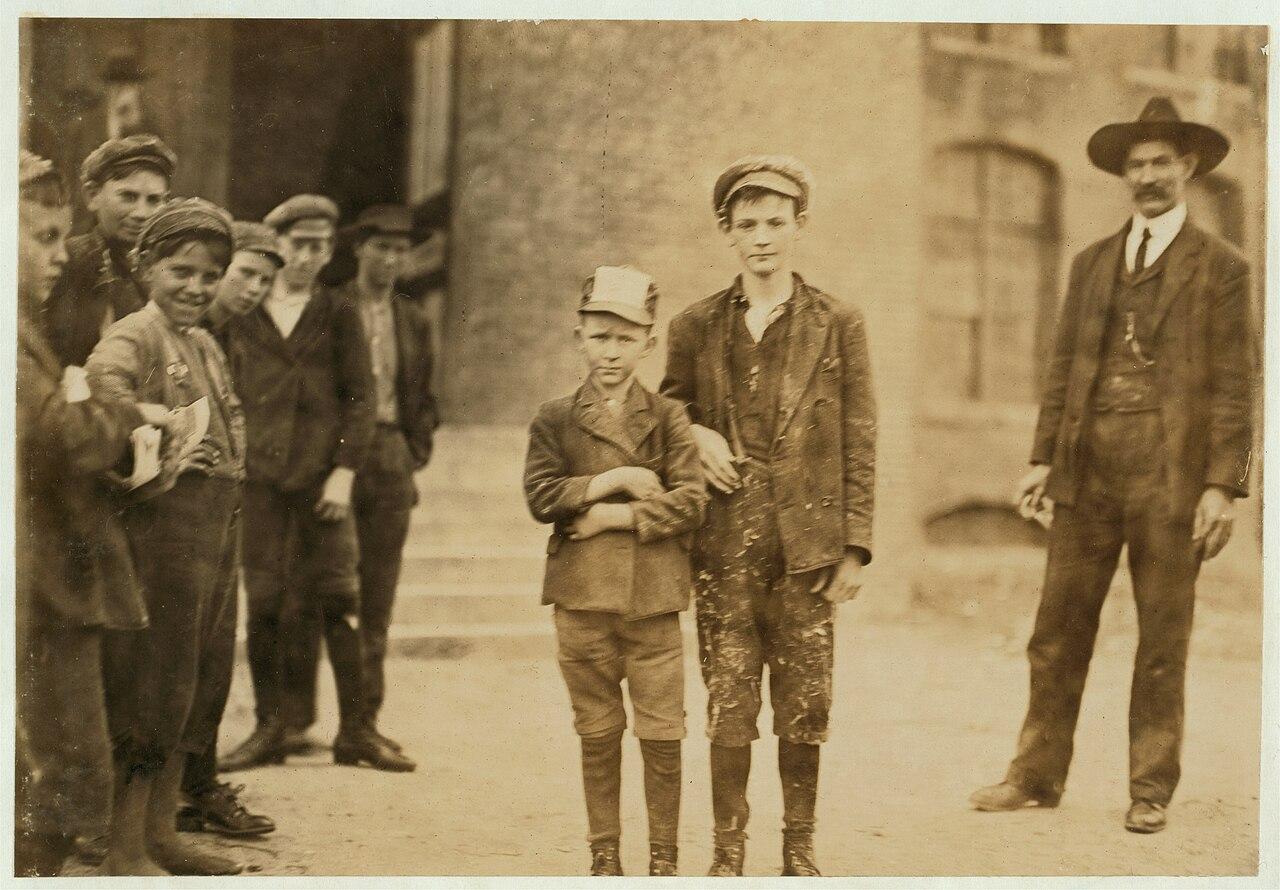
Once mills no longer depended on falling water, they no longer depended on New England. Capital flowed to North Carolina, South Carolina, Georgia, and Alabama, where land was cheap, taxes were minimal, and the workforce was rural, white, and largely unorganized; some New England firms built Southern branch mills while closing their Northern plants. North Carolina's mill count rose from 293 in 1914 to 343 in 1921, and by 1923 the state had passed Massachusetts as the nation's leading textile producer by value. The Loray Mill in Gastonia, built by a Rhode Island firm, became internationally notorious in 1929, when a strike there ended in bloodshed and the murder of the striker and songwriter Ella May Wiggins by a mob of anti-union men. The migration that electricity made possible also helped keep Southern textile labor largely unorganized for decades.
Sources
- ScholarshipTextiles in North Carolina: The Rise of the Industry. NCpedia (State Library of North Carolina).
- ScholarshipCotton Mills. NCpedia (State Library of North Carolina).
- ScholarshipGastonia Strike. NCpedia (State Library of North Carolina).