NJ · Textile era 1791–1955
New Jersey
Silk City and the Hamilton Vision
New Jersey holds two foundational chapters of American industry: Alexander Hamilton's Society for Establishing Useful Manufactures (SUM) at Paterson, chartered in 1791, and the silk industry that turned Paterson into 'Silk City'—the most concentrated luxury-fiber economy in the United States and the site of the 1913 IWW silk strike.
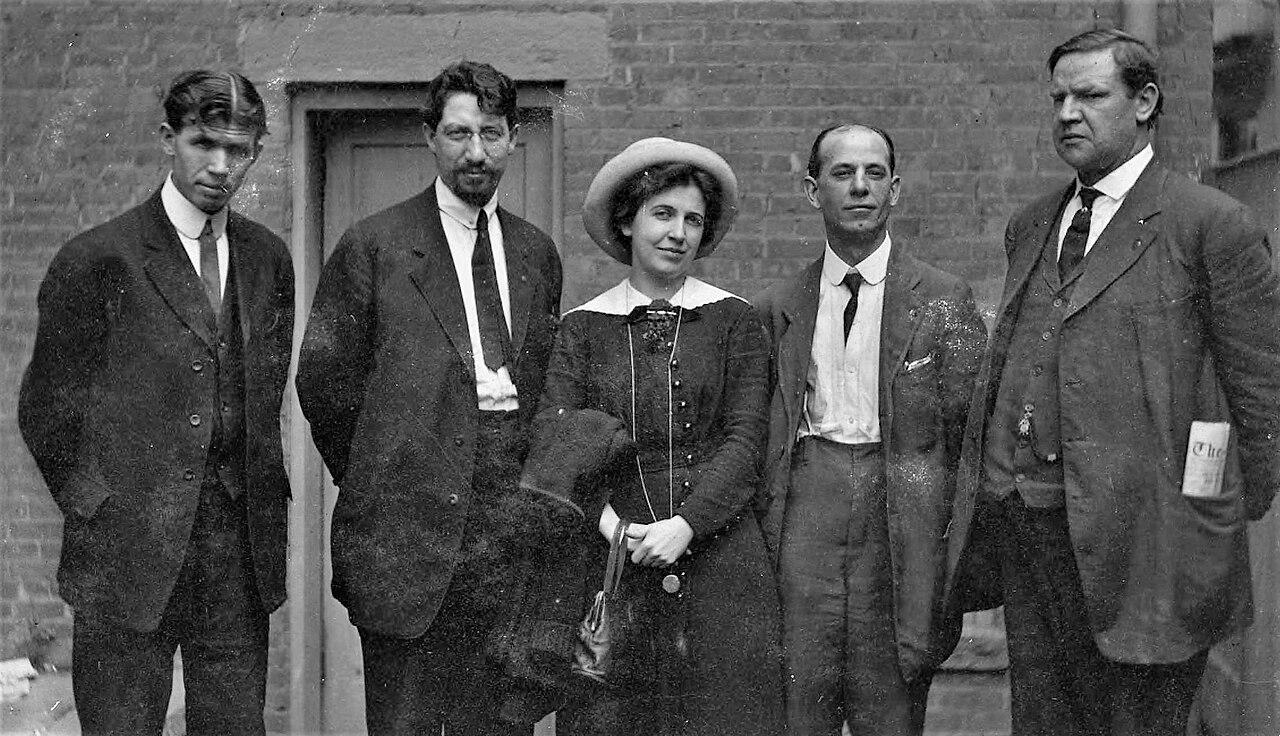
Alexander Hamilton promoted the Society for Establishing Useful Manufactures, chartered by New Jersey in November 1791, as an experiment in state-encouraged industrialization; the society chose the Great Falls of the Passaic as the site of a new manufacturing town, named Paterson for the governor who signed the charter. Its charter granted unusual privileges, including tax exemptions. Pierre L'Enfant drew the first plan for its raceways before being replaced. The society's own manufacturing venture failed within a few years, but it kept its water rights and leased power to others, and Paterson grew into a city of cotton mills, locomotive works, and, from about 1840, silk. After the Civil War, Paterson became the silk capital of America, drawing skilled weavers from Lyon, Macclesfield, and northern Italy who brought both technique and radical labor politics. The 1913 strike of about twenty-four thousand workers, led by the Industrial Workers of the World, culminated in the Paterson Pageant at Madison Square Garden and ended in defeat. The silk industry dispersed to lower-wage mills in the following decades and was largely gone by mid-century. The Great Falls area is now a National Historical Park.
What remains
Paterson Great Falls National Historical Park, authorized by Congress in 2009 and operated by the National Park Service, preserves the falls, raceways, and surviving mills, several of them adapted as offices, restaurants, and museums.
Sources
- ScholarshipThe 1913 Paterson Silk Strike. PBS American Experience.
- ScholarshipSteve Golin. The Fragile Bridge: Paterson Silk Strike, 1913. Temple University Press, 1988.
- Primary sourceAlexander Hamilton. Report on the Subject of Manufactures. U.S. Treasury Department, 1791.