Impact · Chapter 05, 1793–1850
Lords of the Loom, Lords of the Lash
The political alliance between Boston mill owners and Southern planters.
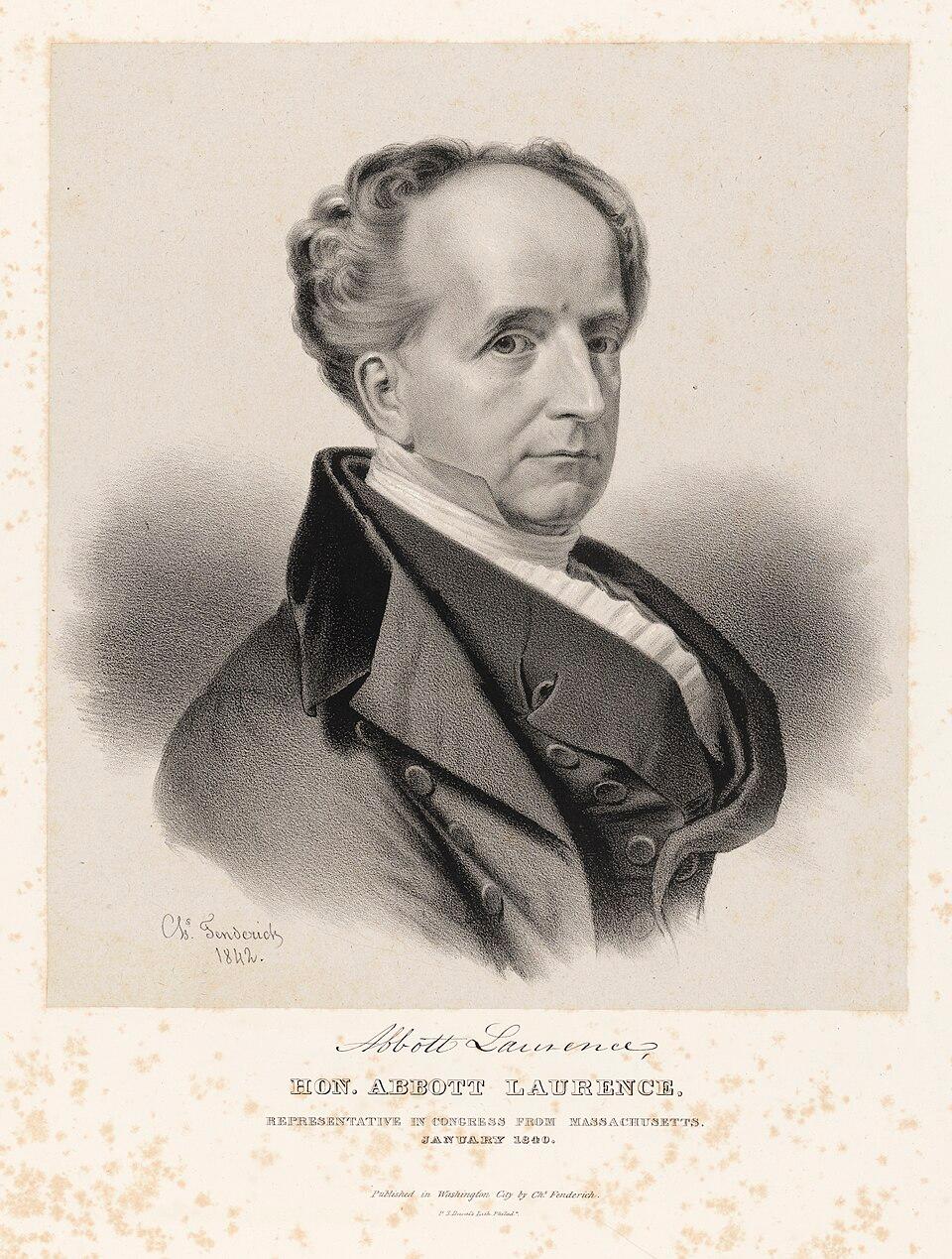
In a speech at Worcester on June 28, 1848—three years before he entered the U.S. Senate—the Massachusetts lawyer and Free Soil leader Charles Sumner denounced an 'unhallowed union' between 'the cotton-planters and flesh-mongers of Louisiana and Mississippi and the cotton-spinners and traffickers of New England,—between the lords of the lash and the lords of the loom.' The textile magnate Nathan Appleton took the charge personally and demanded proof. Boston families such as the Lawrences, Appletons, and Lowells built mill empires on slave-grown cotton, and the 'Cotton Whig' faction they led long sought to keep slavery out of national politics. Antislavery agitation was unwelcome in their city: in 1835 a crowd that observers described as 'gentlemen of property and standing' dragged William Lloyd Garrison through Boston's streets with a rope. Sumner's phrase endured because it named a real economic interdependence that many in New England preferred not to see.
Sources
- Primary sourceEdward L. Pierce. Memoir and Letters of Charles Sumner, vol. 3 (1848–1849). Perseus Digital Library, Tufts University.
- Government recordCharles Sumner. National Park Service, Longfellow House-Washington's Headquarters NHS.
- ScholarshipHarvard & the Legacy of Slavery: Slavery in the North. Radcliffe Institute for Advanced Study, Harvard University.