Biography · Chapter 17, 1960-1985
The Real Norma Rae
Crystal Lee Sutton, a cardboard sign, and the seventeen-year fight to organize J.P. Stevens.
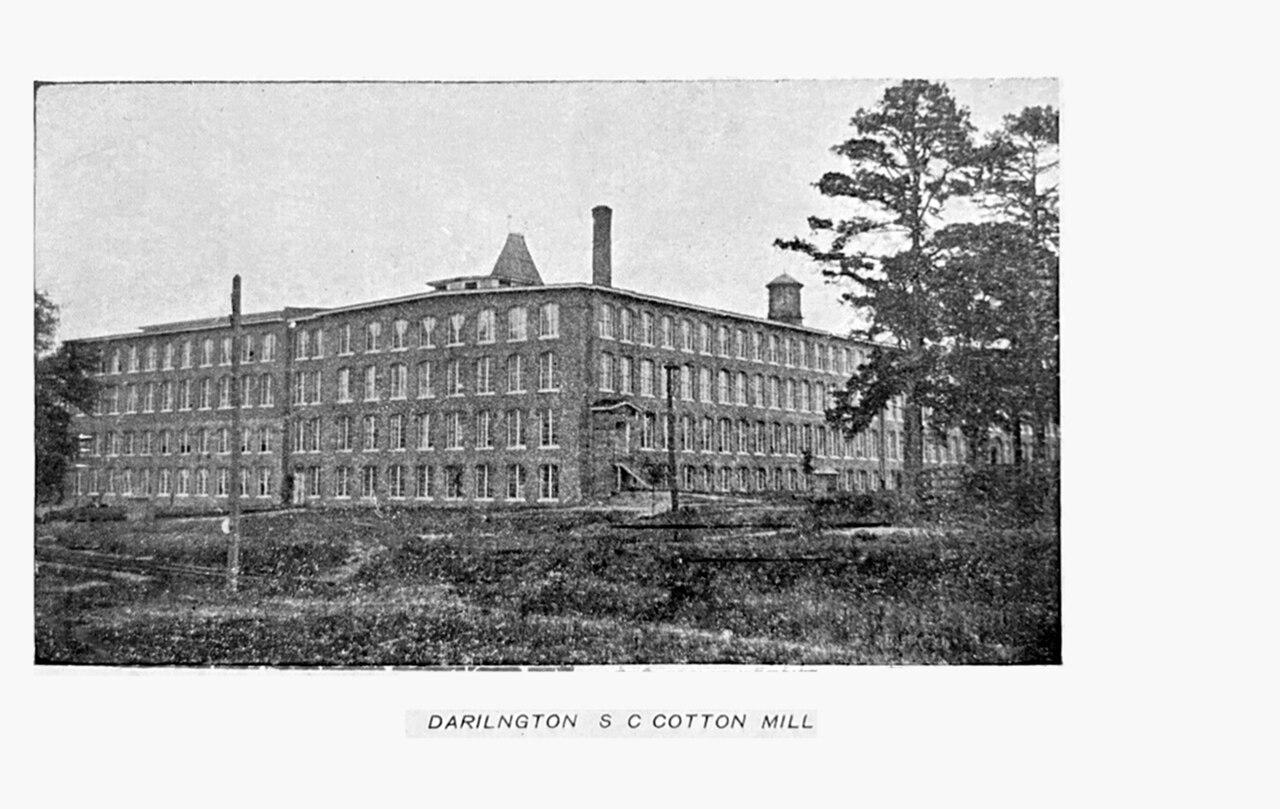
In Roanoke Rapids, North Carolina, J.P. Stevens owned the mills and, in neighborhoods like Crystal Lee Sutton's, the houses too. Sutton, born into a family of Stevens workers, was folding towels for $2.65 an hour when she joined the Textile Workers Union of America's organizing drive. In May 1973 she copied an anti-union letter from a company bulletin board, a letter that claimed, among other things, that Black workers would run the union, and the company fired her. Before police removed her from the plant, she wrote UNION on a piece of cardboard, climbed onto her worktable, and turned slowly so every worker could see it. One by one the machines went quiet. On August 28, 1974, Roanoke Rapids workers voted for union representation, but Stevens refused to sign a contract for six more years. In 1976 the TWUA merged with the Amalgamated Clothing Workers to form the Amalgamated Clothing and Textile Workers Union (ACTWU), which launched a national consumer boycott and, under strategist Ray Rogers, a 'corporate campaign' that pressured the banks and insurers tied to Stevens's board until Metropolitan Life, the company's largest creditor, pushed it to settle. The agreement reached on October 19, 1980, brought contracts to more than three thousand workers at ten plants. Sutton, ordered reinstated with back pay in 1977, was the model for Sally Field's Oscar-winning role in Norma Rae (1979).
Sources
- Government recordThe Real 'Norma Rae'. North Carolina Department of Natural and Cultural Resources, 2016.
- Primary sourceFred McNeese. Employees at seven J.P. Stevens & Co. plants overwhelmingly approved a contract. United Press International, 1980.
- ScholarshipACTWU vs. J.P. Stevens: 1976–1980. Corporate Campaign, Inc..
- ScholarshipCrystal Lee Sutton: The Organizer. The New York Times Magazine, 2009.