Biography · Chapter 13, 1920–1930
Ella May Wiggins: The Singer of Gastonia
A mill mother shot dead on the road to a union rally in 1929.
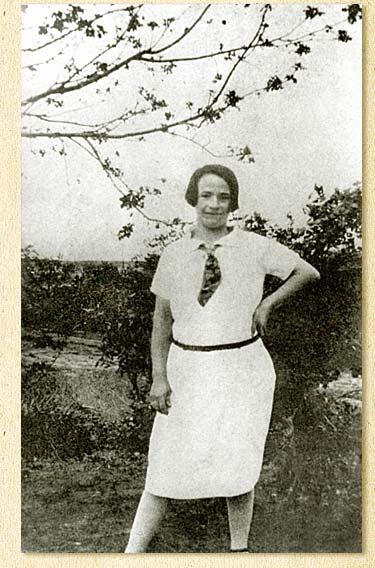
Ella May Wiggins, born around 1900, was in her late twenties in 1929, working the night shift at the American Mill No. 2 in Bessemer City, North Carolina, and raising her five surviving children largely alone; several of her other children had died young, and she said the mill would not let her move to day work to nurse them. She joined the National Textile Workers Union during the Loray Mill strike in nearby Gastonia and became one of its most effective organizers, notably reaching out to Black workers as well as white. She was also its songwriter: ballads such as 'Mill Mother's Lament,' written about her own children, were sung on picket lines and entered the permanent repertoire of American labor music. On September 14, 1929, a truck carrying her and other unionists to a rally was turned back and pursued by a mob of armed men; when the truck was forced to stop, she was shot in the chest and died within minutes. Five Loray Mill employees were tried in Charlotte in 1930 and acquitted. Her songs outlived her killers, her mill, and the system that built both.
Sources
- ScholarshipWiggins, Ella May. NCpedia (Dictionary of North Carolina Biography).
- ScholarshipGastonia Strike. NCpedia (State Library of North Carolina).
- ScholarshipPath of Portraits: Ella May Wiggins. The Charlotte Museum of History.